Introduction
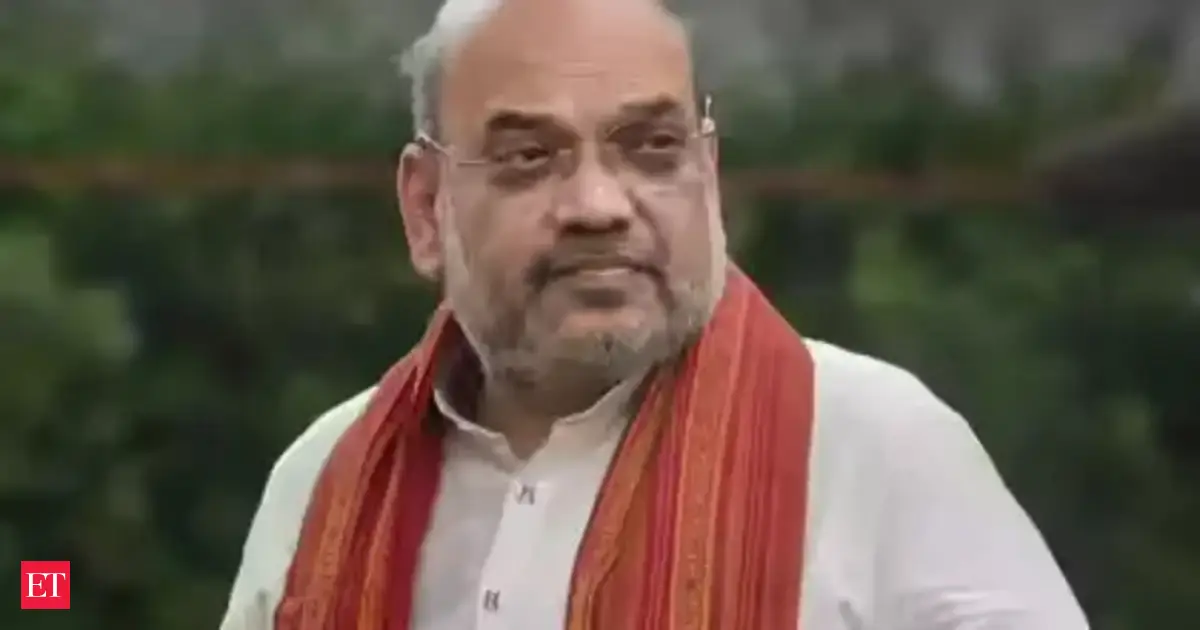
In a recent statement, Union Home Minister Amit Shah has directed sharp criticism towards the Congress party, particularly referencing its Dunkel proposals. Shah asserts that these proposals pose a significant risk to the welfare of farmers across India. Since taking office in 2014, the Modi administration has pledged to prioritize agricultural interests, positioning itself as a guardian of farmers' rights and livelihoods.
The Dunkel Proposals: A Threat to Agriculture?
The Dunkel proposals, originally aimed at reforming international trade in agriculture, have sparked considerable debate within the agricultural community. Critics, including Shah, argue that these suggestions could undermine local farmers by favoring global trade dynamics that do not account for the unique challenges faced by Indian agriculture.
According to Shah, the Congress party's inclination towards these proposals reveals a disconnect from the realities faced by farmers. He emphasizes that the Modi government's initiatives since 2014 have been directed at enhancing farmers' income, ensuring food security, and promoting sustainable agricultural practices. Under the current administration, several schemes have been implemented, including:
- Pradhan Mantri Kisan Samman Nidhi (PM-KISAN): Providing direct income support to farmers.
- Soil Health Card Scheme: Promoting sustainable farming through soil health monitoring.
- Fasal Bima Yojana: Offering insurance coverage to mitigate crop loss.
Market Context and Implications
The agricultural sector is a critical component of the Indian economy, employing around 58% of the population and contributing significantly to GDP. As discussions around trade policies intensify, the stakes for farmers are high. The potential implementation of policies aligning with the Dunkel proposals could lead to increased competition from imported agricultural products, which may depress local prices and impact farmers' earnings.
Moreover, expert analysis suggests that the global agricultural market's volatility, driven by climate change and geopolitical tensions, necessitates a protective stance for domestic farmers. The government’s focus on self-sufficiency and local production is seen as a strategic move to safeguard this vital sector from external shocks.
What This Means for Investors
For investors, the ongoing discourse surrounding agricultural policies presents both challenges and opportunities. The agricultural sector's health is inherently tied to consumer sentiment, government policy, and international trade dynamics. Investors should consider the following:
- Monitor Policy Changes: Stay updated on agricultural policies and reforms that could affect market stability.
- Invest in Agricultural Technology: Companies focused on innovative farming solutions may benefit from increased government support.
- Evaluate Food Security Stocks: Firms involved in food production and distribution could see increased demand as the government emphasizes self-sufficiency.
Conclusion
Amit Shah's remarks serve as a reminder of the complex interplay between politics and agriculture in India. As the Modi government continues to advocate for farmers' rights, stakeholders must remain vigilant about how these policies will shape the future of the agricultural sector. Investors with a keen eye on these developments can position themselves strategically to leverage potential growth opportunities.