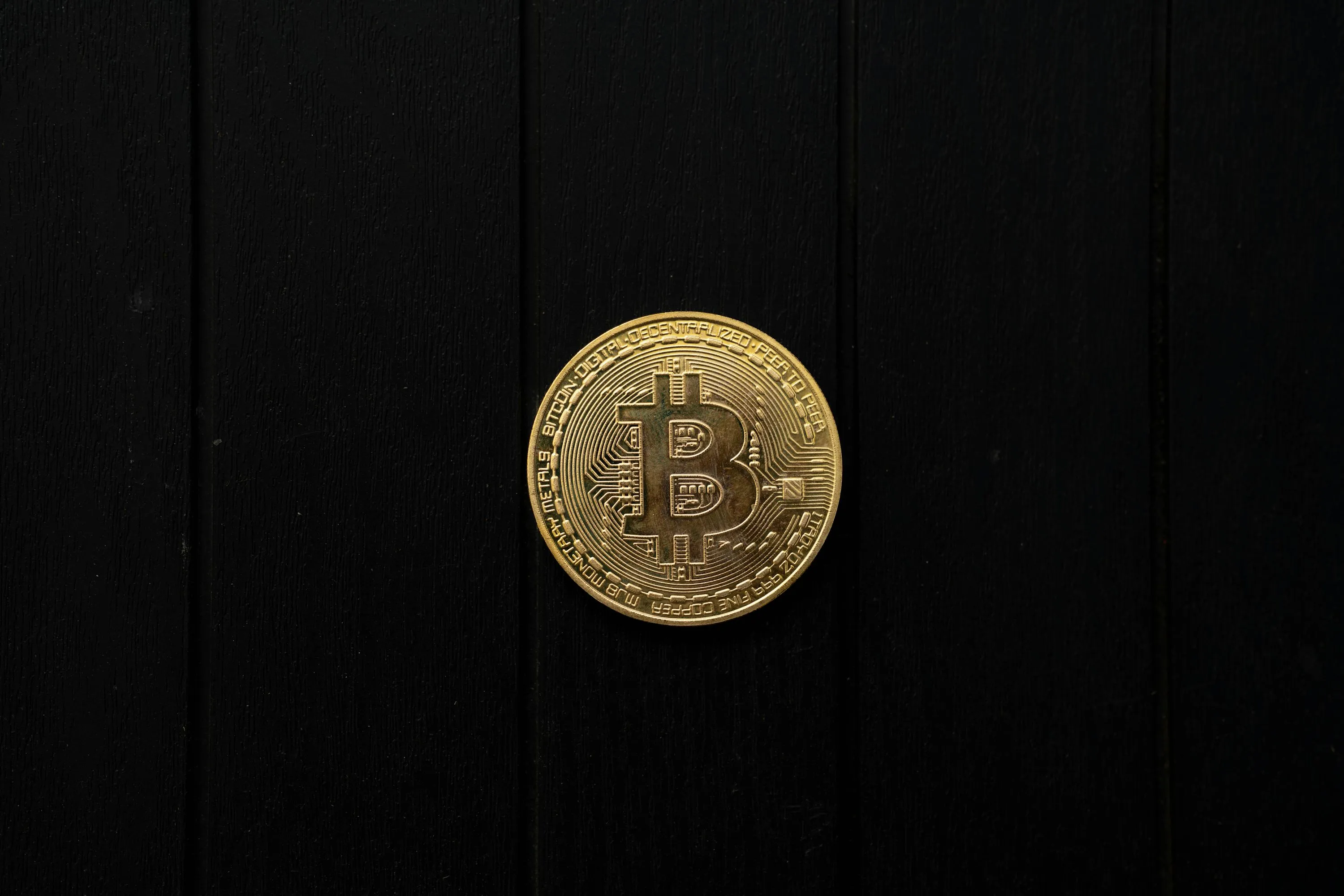
Bitcoin Faces Continued Pressure Amid Weak Market Sentiment
Bitcoin's price has recently dipped to approximately $66,464, marking its fourth consecutive week of decline. This downturn reflects the broader market's weak risk sentiment, largely influenced by declining tech stocks and the anticipation of upcoming U.S. inflation data. As investors grapple with these developments, the question arises: will Bitcoin rebound above the $66,464 mark, or are further declines on the horizon?
Market Context: Tech Stocks and Regulatory Developments
The cryptocurrency market is often closely tied to the performance of tech stocks. Recently, a global downturn in tech equities has contributed to a cautious atmosphere among investors. As major tech firms report mixed earnings and face regulatory scrutiny, many are reconsidering their risk exposure, leading to a sell-off in both equities and cryptocurrencies.
Additionally, the U.S. Commodity Futures Trading Commission (CFTC) has hinted at increased regulatory oversight for cryptocurrencies. Such moves might instigate a shift in investor sentiment, as uncertainty surrounding regulations can deter investment in digital assets.
Expert Insights: What Analysts Are Saying
Analysts are divided on the future of Bitcoin. Some believe that the current downturn is merely a phase, suggesting that Bitcoin could eventually break through resistance levels and reach new highs. Others, however, caution that persistent weak sentiment and regulatory challenges may keep Bitcoin's price suppressed in the near term.
- Short-term outlook: Analysts suggest that Bitcoin needs to reclaim key support levels to instill confidence among investors.
- Long-term potential: Many experts maintain a bullish stance on Bitcoin, citing its finite supply and growing adoption as positive indicators.
- Regulatory impact: Increased oversight could lead to a more stable market environment, but may deter speculative trading in the interim.
What This Means for Investors
As Bitcoin navigates this turbulent phase, investors should consider several strategies:
- Diversification: Investors might want to diversify their portfolios to mitigate risks associated with Bitcoin volatility.
- Stay informed: Keeping abreast of economic indicators, particularly U.S. inflation data, will be crucial for understanding market movements.
- Long-term perspective: For those with a longer investment horizon, maintaining positions may be advisable, as historical trends indicate Bitcoin's resilience over time.
In conclusion, while Bitcoin's current price trend raises concerns, the fundamental factors driving the asset remain intact. Investors should evaluate their strategies carefully, balancing short-term risks against long-term potential.