Introduction
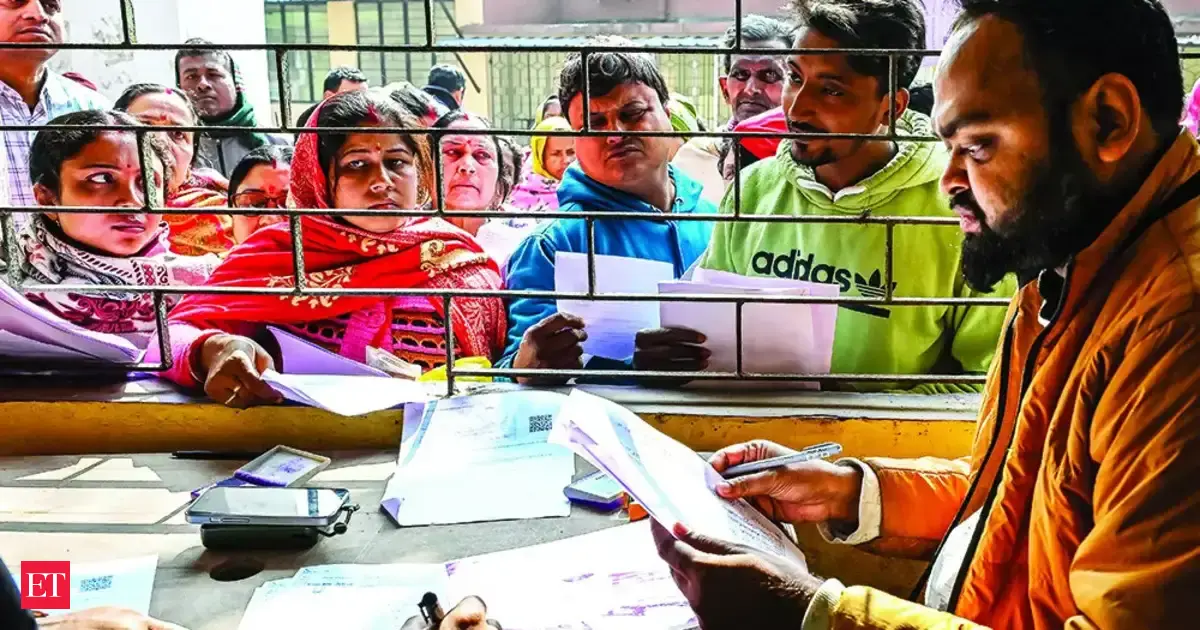
As West Bengal gears up for its upcoming elections, significant challenges have emerged regarding the revision of voter lists. The Election Commission of India (ECI) officials are inundated with numerous forms that are either illegible or accompanied by inadmissible documents. This situation raises concerns about the integrity of the electoral process in a state that has been politically charged in recent years.
Voter List Revision Complications
In a bid to ensure a fair electoral process, the ECI has been meticulously reviewing the voter lists in West Bengal. However, officials report a substantial number of forms submitted by voters that do not meet the necessary criteria. Common documents such as PAN cards, Aadhaar cards, and ration cards are frequently being rejected due to issues such as incomplete information or lack of authenticity.
Chief Minister Mamata Banerjee has publicly questioned the motives behind the rejection of these documents, suggesting that the process is being manipulated to disenfranchise voters. This political tension adds another layer of complexity to an already fraught electoral landscape.
Market Context and Implications
The implications of these voter list issues extend beyond the political sphere and into the financial markets. Investor sentiment often ties closely to the political stability of a region. In West Bengal, the ruling party's ability to navigate these challenges effectively could influence market perception and investor confidence.
Data from market analysts indicate that political stability is a critical factor in attracting both domestic and foreign investment. Investors typically seek assurance that their investments will be safeguarded, which can be significantly affected by the electoral process.
- Potential Market Volatility: Market analysts warn of potential volatility in sectors heavily influenced by government policies, especially if electoral outcomes lead to unexpected shifts in governance.
- Sectoral Trends: Industries such as infrastructure and real estate may see fluctuations based on the anticipated political climate following the elections.
- Long-term Investment Strategies: Investors are advised to consider long-term strategies that account for potential political risks while identifying sectors that may benefit from government initiatives in the future.
Key Takeaways
The situation in West Bengal presents several critical insights for investors:
- Political Risk Assessment: Investors should closely monitor the developments in the electoral process and assess the associated political risks.
- Document Verification: The ongoing issues with voter documentation underscore the importance of thorough verification processes in all administrative functions.
- Investment Opportunities: Identifying sectors that could benefit from stable governance post-elections may provide lucrative investment opportunities.
In conclusion, as West Bengal navigates the complexities of its electoral process, the ramifications are likely to resonate through the financial markets. Investors should remain vigilant and adaptable, ready to respond to the evolving political landscape.