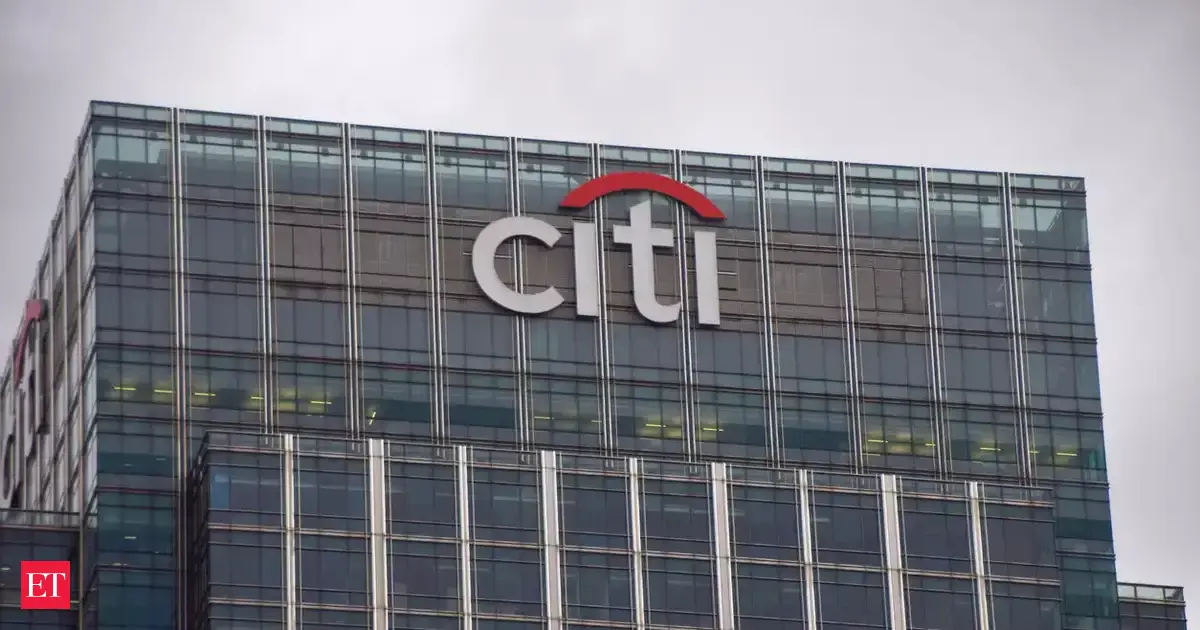
Citigroup Finalizes Exit from Russian Market
In a pivotal move for its global strategy, Citigroup has finalized its exit from the Russian market by selling its former subsidiary to Renaissance Capital, a decision that received regulatory approval. This divestiture not only aligns with the bank's strategy of reducing its international footprint but is also expected to result in a substantial capital boost of approximately $4 billion in the first quarter of 2026.
Strategic Implications of the Transaction
This transaction is indicative of a broader trend among financial institutions reassessing their operations in geopolitically sensitive regions. With increasing regulatory scrutiny and economic sanctions impacting business viability, banks are prioritizing risk management. Analysts view Citigroup's exit as a forward-thinking decision that may enhance operational efficiency and capital allocation.
According to market analysts, this move could reflect a growing trend in the banking sector, where institutions are pivoting away from markets that pose significant political and economic risks. Citigroup's decision to divest from Russia is particularly noteworthy as it underscores a commitment to maintaining stability in its core operations while maximizing shareholder value.
Market Context and Future Outlook
The financial services landscape is evolving, with banks increasingly focusing on core markets. Citigroup's exit aligns with its broader strategy to concentrate on high-growth regions while reducing exposure to volatile markets. This shift is particularly relevant given the current macroeconomic climate, where geopolitical tensions and economic uncertainty are prevalent.
Investors should pay attention to the potential impact of this divestiture on Citigroup's stock performance. With an anticipated capital increase of $4 billion, the bank may have more resources to reinvest in growth initiatives, potentially leading to improved profitability in the long run.
- Enhanced Capital Position: The $4 billion capital boost could provide Citigroup with additional flexibility for strategic investments.
- Focus on Core Markets: As banks like Citigroup exit high-risk regions, there may be renewed focus on established markets, enhancing stability.
- Investor Confidence: Moves like these can bolster investor confidence, indicating a proactive approach to risk management.
Key Takeaways
Citigroup's strategic exit from Russia is a significant milestone in its ongoing efforts to streamline operations and enhance capital strength. For investors, this development suggests potential opportunities for growth as the bank reallocates resources to more stable and profitable markets.
In conclusion, Citigroup's decision to divest from Russia reflects not only a strategic corporate maneuver but also a response to the changing dynamics of the global financial landscape. Investors should remain alert to how this move may influence the bank's future performance and overall market positioning.