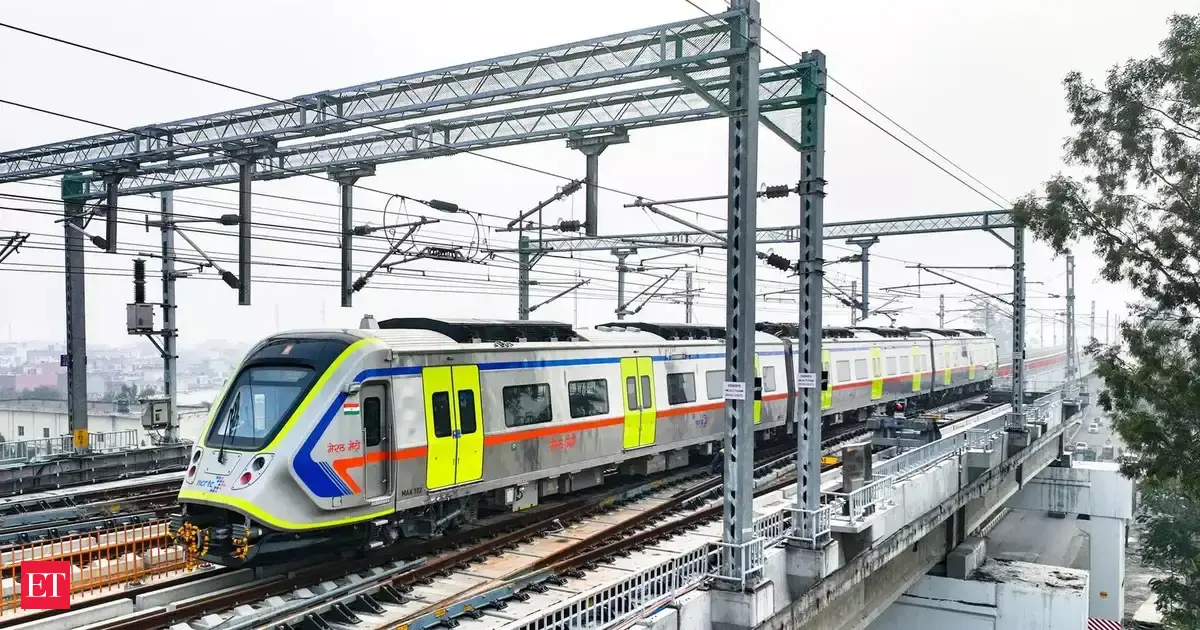
Introduction to Meerut Metro
The inauguration of the Meerut Metro by Prime Minister Narendra Modi marks a significant milestone in India's urban transport landscape. Operating at a remarkable speed of 120 km/h, this metro service is touted as the fastest in the country. The project, which utilizes shared infrastructure with Namo Bharat, aims to enhance connectivity and reduce commute times for the residents of Meerut and surrounding regions.
Transformative Impact on Urban Mobility
The Meerut Metro is designed to provide seamless travel for both intercity and intra-city commuters. By integrating various modes of transport, it allows passengers to transition smoothly between metro services and other public transport facilities. This connectivity is expected to alleviate congestion on the roads, thereby improving overall urban mobility.
Notably, the metro connects key areas in Meerut, making it easier for individuals to access workplaces, educational institutions, and healthcare facilities. With a focus on efficient travel, the system is set to significantly reduce the time spent commuting, providing a modern solution to age-old traffic issues.
Market Context and Economic Implications
The launch of the Meerut Metro comes at a time when India is investing heavily in infrastructure development to boost economic growth. According to recent reports, the Indian government has allocated substantial funds towards urban transport projects, with metro systems being a priority. The Meerut Metro, in particular, is expected to attract both local and foreign investment, further stimulating economic activity in the region.
Analysts predict that enhanced public transport systems like the Meerut Metro can lead to increased property values along its route, making it an attractive investment opportunity for real estate developers and investors alike. Furthermore, local businesses are likely to benefit from increased foot traffic as commuting becomes more convenient.
Key Takeaways
- Speed and Efficiency: The Meerut Metro operates at 120 km/h, making it the fastest metro service in India.
- Enhanced Connectivity: The integrated system offers seamless travel between different modes of transport, improving urban mobility.
- Economic Growth: The project is anticipated to stimulate local economies and attract investments in real estate and business sectors.
What This Means for Investors
For investors, the Meerut Metro presents a unique opportunity to capitalize on the growth potential of urban infrastructure. As the demand for efficient public transport rises, investments in related sectors such as real estate, construction, and local businesses are likely to yield favorable returns. Observing the developments around the metro stations can provide insights into emerging investment opportunities.
Moreover, investors should consider the long-term impact of such infrastructure projects on property prices and local economies. Keeping an eye on government policies and funding allocations towards metro systems can also offer strategic advantages in making informed investment decisions.