Market Overview
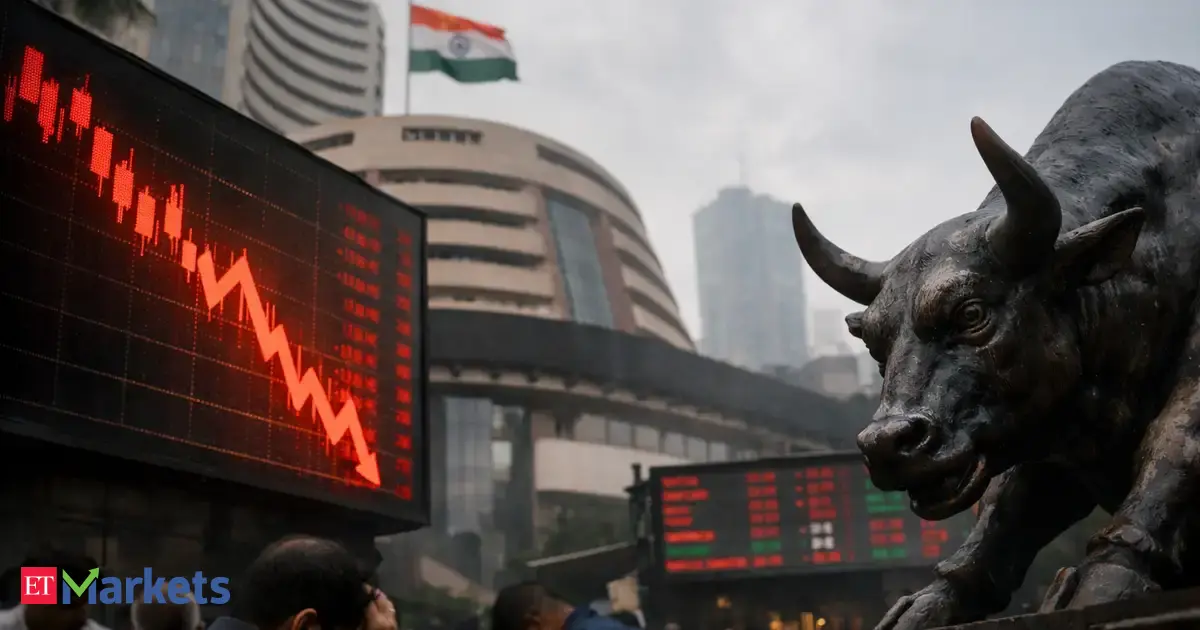
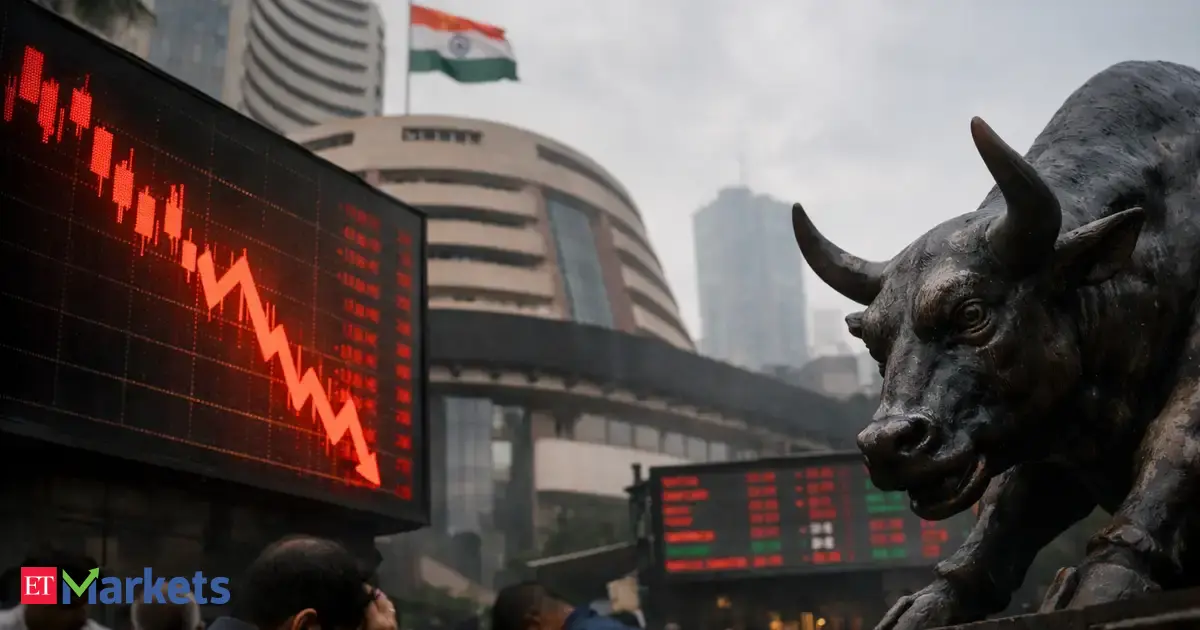
The Indian stock market experienced a significant downturn on Tuesday, with the benchmark indices Nifty 50 and BSE Sensex plummeting by over 1,300 points. The sharp decline was primarily driven by substantial losses in the IT and auto sectors, leading to a staggering loss of approximately Rs 6.3 lakh crore in investor wealth. Market sentiment turned bearish amid a confluence of factors that raised concerns among investors.
Factors Contributing to the Decline
- 1. Concerns Over AI's Impact on Legacy Systems: One of the most pressing issues affecting the technology sector is the rising concern about artificial intelligence (AI) and its implications for legacy programming languages such as COBOL. Investors fear that companies heavily reliant on older systems may struggle to adapt, leading to a potential decline in business performance.
- 2. Global Economic Uncertainty: Global markets are currently grappling with economic uncertainties, including fluctuations in oil prices, inflation concerns, and geopolitical tensions. Such global factors contribute to a risk-off sentiment, causing investors to pull back from equities.
- 3. Rising Interest Rates: The Reserve Bank of India (RBI) has been on a tightening path, with recent rate hikes exacerbating borrowing costs for companies. This can lead to reduced consumer spending and slower economic growth, further impacting corporate earnings.
- 4. Weakening Consumer Demand: Recent reports indicate a slowdown in consumer demand across various sectors, particularly in automotive and discretionary spending. This trend has raised concerns about the sustainability of growth for companies in these industries.
- 5. Profit Booking by Investors: After a prolonged bullish run, many investors opted to book profits, leading to a significant sell-off in the markets. This profit-taking behavior is common in volatile market conditions, often triggering further declines.
- 6. Increased Volatility: The Indian stock market has been characterized by increased volatility in recent weeks. This instability can lead to heightened fear and uncertainty among investors, prompting them to sell off their holdings to mitigate potential losses.
Expert Analysis
Market analysts suggest that the recent downturn may not be a long-term trend but rather a correction phase following an extended period of growth. Nevertheless, investors should remain cautious. The confluence of rising interest rates and global economic concerns may continue to weigh on market performance in the near term.
Experts advise maintaining a diversified portfolio to mitigate risks. It may also be a prudent strategy to consider sectors with strong fundamentals and growth potential, such as technology and renewable energy, which could provide opportunities even in a declining market.
What This Means for Investors
In light of the current market conditions, investors should take several factors into account:
- Remain informed about global economic indicators and domestic policy changes that could impact market performance.
- Consider adopting a long-term investment strategy that focuses on quality assets rather than reacting to short-term market fluctuations.
- Evaluate risk tolerance and adjust portfolios to ensure alignment with individual financial goals, especially during periods of heightened market volatility.
Key Takeaways
The recent crash in the Indian stock market serves as a reminder of the inherent risks involved in equity investing. While the decline has been sharp, it also presents potential buying opportunities for investors who are willing to adopt a long-term perspective. Staying informed and adaptable will be crucial for navigating these challenging market conditions.