Understanding the Recent Decline in Silver Prices
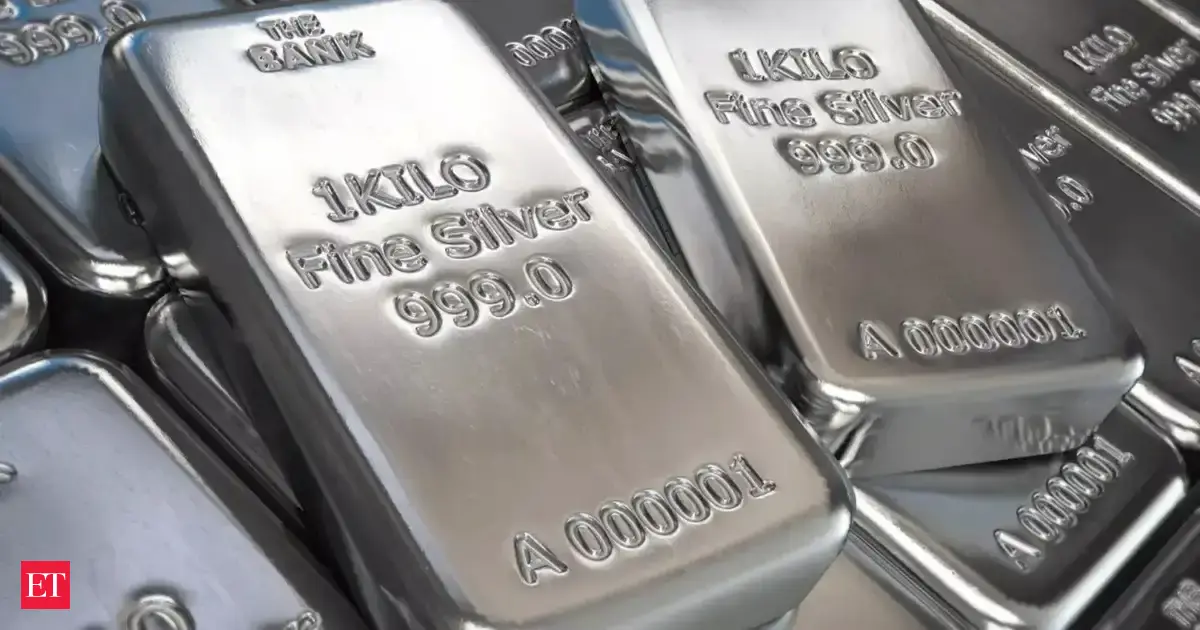
Silver prices have recently experienced a significant downturn, falling by approximately 11%. This sharp decline has raised concerns among investors about whether the price will continue to drop below the critical threshold of $76.60 or if it will rebound in the near future.
The drop in silver prices can be attributed to multiple factors, including a broader market sell-off, weakness in technology stocks, and shifting expectations regarding the Federal Reserve's interest rate policies. As inflation remains a persistent issue in the U.S. economy, analysts are closely monitoring labor data and global demand for silver to gauge the metal’s future trajectory.
Market Context and Influencing Factors
The recent sell-off in the markets has been driven by a variety of economic indicators that suggest a potential slowdown. Tech stocks, which have been a significant driver of market growth, are facing headwinds as investors reassess valuations in light of rising interest rates. The Federal Reserve's stance on interest rates plays a crucial role in precious metal prices, including silver. Higher interest rates typically strengthen the U.S. dollar, making silver less attractive as an investment.
Additionally, inflation continues to be a pressing concern. Recent reports indicate that inflation rates are not declining as quickly as anticipated, prompting speculation about further rate hikes by the Fed. Investors are weighing these factors against the backdrop of global demand for silver, which remains robust due to its applications in technology and renewable energy sectors.
Analysts Weigh In: What’s Next for Silver?
Industry analysts are divided on the future direction of silver prices. Some believe that the current drop may present a buying opportunity, particularly if silver prices stabilize above key support levels. Others caution that if the economic conditions worsen, silver could indeed dip below the $76.60 mark.
According to recent data, the demand for silver in industrial applications has remained strong, which could provide a buffer against price declines. However, the overall economic sentiment will play a critical role. If consumer spending and manufacturing output slow further, it could negatively impact silver demand.
Experts recommend that investors remain vigilant and consider diversifying their portfolios to mitigate risks associated with volatility in precious metals. Monitoring economic indicators such as inflation rates, employment figures, and Fed announcements will be essential for making informed investment decisions.
Key Takeaways: What This Means for Investors
- Market Volatility: The recent downturn highlights the volatility of silver prices amidst broader market uncertainties.
- Investment Strategy: Investors should consider their risk tolerance and possibly diversify their portfolios to hedge against potential losses.
- Monitoring Economic Indicators: Keeping an eye on inflation rates, labor data, and Fed policies will be crucial for predicting silver price movements.
- Long-Term Perspective: Despite short-term fluctuations, the long-term outlook for silver may remain positive due to ongoing industrial demand.
In conclusion, while the recent 11% drop in silver prices raises important questions about future trends, informed investors can navigate this volatility by staying updated on economic conditions and adjusting their strategies accordingly.