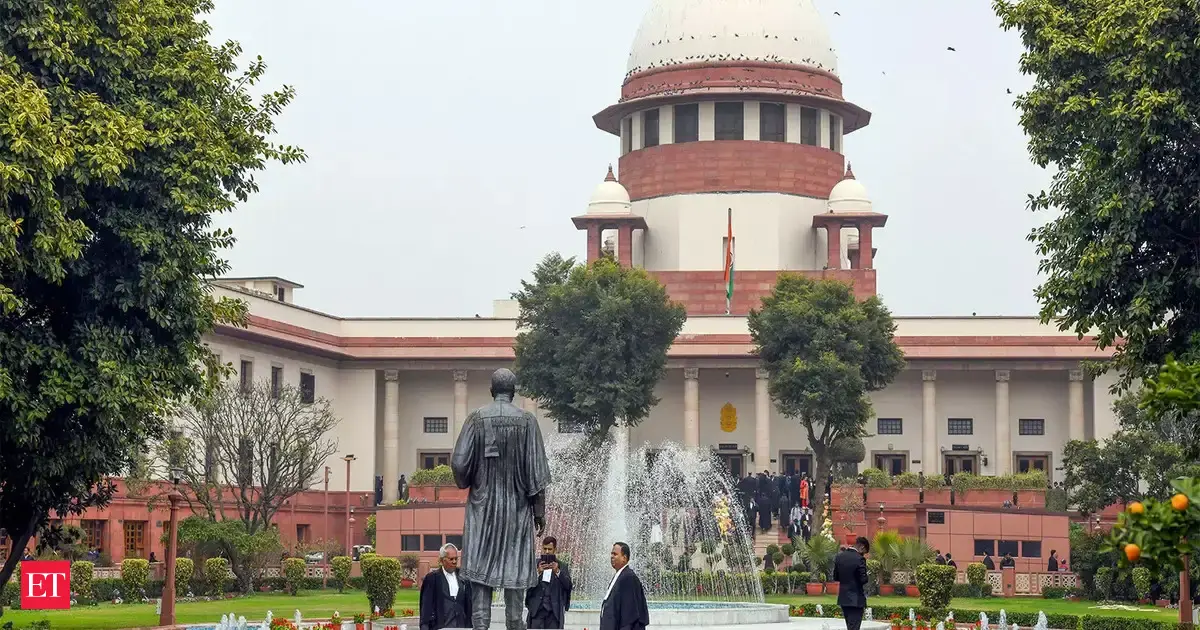
Supreme Court's Decision on Babri Masjid PIL
The Supreme Court of India recently declined to entertain a public interest litigation (PIL) that sought to impose a ban on the establishment of mosques named after historical figures such as Babur or Babri Masjid. This decision arrives amidst ongoing discussions about religious sentiments and their intersection with public policy in India.
The petitioner, who had raised concerns about the naming of these mosques, ultimately withdrew the plea following the court's refusal to proceed with the case. This development is significant, not only in the context of religious and cultural debates but also in terms of its broader implications for social cohesion and investment sentiment in the region.
Contextualizing the Ruling
The Babri Masjid case has been a longstanding issue in India, representing historical grievances and the complexities of cultural identity. The Supreme Court's decision not to entertain the PIL may reflect a broader judicial philosophy aimed at maintaining secularism and preventing the judiciary from becoming embroiled in matters that could heighten communal tensions.
Legal experts suggest that such rulings could reinforce the court's role as a mediator in societal disputes, thereby promoting stability. For investors, particularly those with interests in sectors sensitive to socio-political dynamics, this stability can be a positive indicator.
Market Implications
From an investment perspective, the Supreme Court's ruling may have several implications:
- Investor Sentiment: A stable legal landscape can foster a more favorable environment for investment, particularly in sectors like real estate and tourism that may be impacted by communal tensions.
- Sectoral Trends: Companies operating in regions affected by religious or social unrest may experience fluctuations in stock performance. Investors should remain vigilant regarding the socio-political climate and its potential impact on market behavior.
- Long-term Outlook: A commitment to secularism and social harmony can lead to sustained economic growth, attracting both domestic and foreign investments.
As the situation evolves, investors are encouraged to consider both the immediate and long-term implications of such rulings on their investment strategies.
Key Takeaways
- The Supreme Court's dismissal of the PIL may contribute to a more stable socio-political atmosphere.
- Investors should monitor the impact of legal decisions on market sentiment and sector performance.
- Long-term strategies should factor in the importance of social cohesion for economic growth.