Introduction
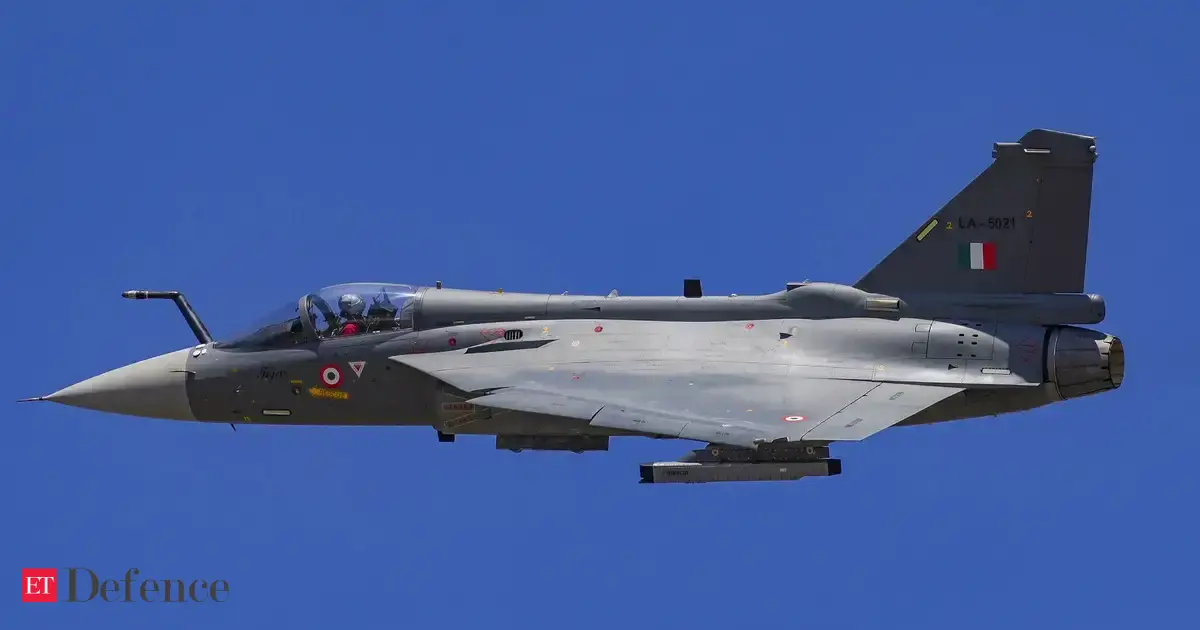
The Indian Air Force's Tejas light combat aircraft has once again been thrust into the spotlight following a recent incident during landing, marking the third significant crash involving this fleet. While the pilot emerged unscathed, the aircraft suffered critical damage, leading to intensified scrutiny of the Tejas program. This article delves into the implications of this incident for the Indian defense sector and potential ramifications for investors in related industries.
Understanding the Context of the Incident
The Tejas program, developed by Hindustan Aeronautics Limited (HAL), aimed to create a cost-effective, indigenous fighter jet to modernize India's air capabilities. However, the recent crash highlights ongoing challenges related to operational reliability and safety. Prior incidents, including two other crashes, have raised questions about the aircraft’s performance and the effectiveness of quality control measures.
As the Tejas fleet faces increasing scrutiny, the Indian government is under pressure to ensure that the aircraft meets the necessary safety and operational standards. This situation could impact government contracts and defense budgets, which are critical for companies involved in aerospace and defense manufacturing.
Market Implications
Investors should remain vigilant as this incident could have broader implications for the defense sector. The Indian defense market is expanding rapidly, driven by the government's push for self-reliance in military capabilities. However, safety concerns surrounding the Tejas could affect public and investor confidence in HAL and its partners.
- Defense Budgets: Any potential fallout from these incidents may lead to a re-evaluation of defense spending priorities, which could influence contracts awarded to defense contractors.
- Stock Performance: Shares of companies involved in defense manufacturing, particularly those linked to the Tejas program, might experience volatility as investors react to news and reports.
- Government Contracts: A potential reassessment of contracts with HAL could create opportunities or risks for companies dependent on these agreements.
Given the government's commitment to bolstering domestic defense production, investors should also analyze how this incident may affect future contracts and initiatives aimed at enhancing India’s defense capabilities.
Expert Analysis
Market analysts suggest that while the Tejas program faces immediate challenges, the long-term outlook for India's defense sector remains positive. The government is unlikely to abandon the initiative entirely, as it aligns with the broader strategy of achieving self-sufficiency in defense procurement.
Experts recommend that investors consider the following factors:
- Monitor updates from HAL regarding investigations and improvements in safety standards.
- Evaluate the performance of defense stocks in light of ongoing developments and market sentiment.
- Look for opportunities in companies that provide ancillary services and components to the defense sector, which may benefit from increased spending in the long run.
Key Takeaways
The recent Tejas fighter jet crash underscores the importance of operational safety and reliability in the defense sector. For investors, this incident serves as a reminder of the inherent risks associated with defense investments. However, with the Indian government's focus on self-reliance and modernization, there are still substantial opportunities on the horizon for those willing to navigate the challenges.
In summary, while the immediate fallout from this incident may cause short-term volatility, the long-term prospects for the Indian defense sector remain robust. Investors should stay informed and prepared to adapt their strategies in response to ongoing developments.