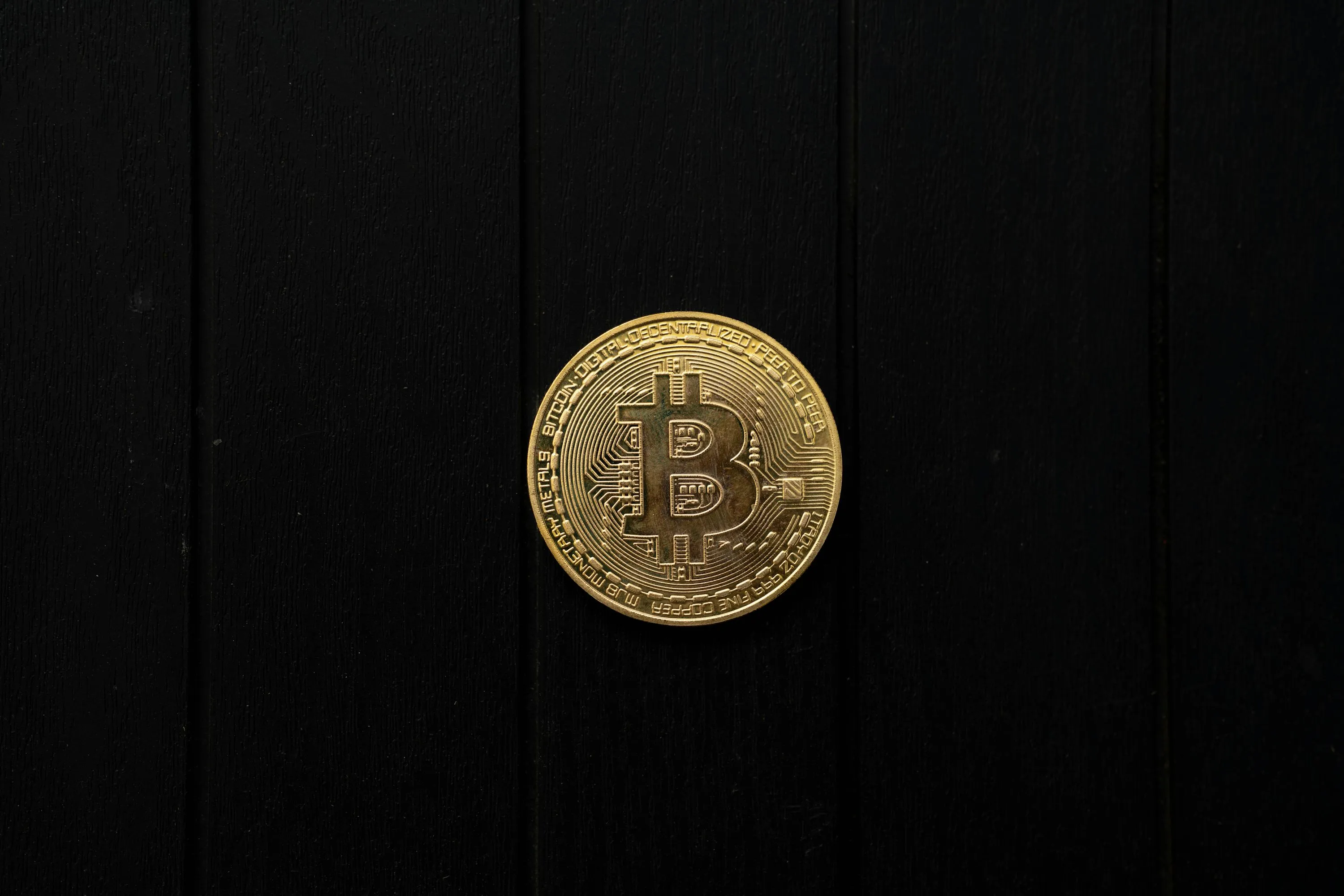
Thailand's Landmark Decision on Digital Assets
In a groundbreaking move for the financial landscape, Thailand's government has officially endorsed the use of digital assets as underlying assets in the country's derivatives and capital markets. This decision, initiated by the Finance Ministry, marks a pivotal moment for the cryptocurrency sector in Thailand, suggesting a shift from viewing cryptocurrencies solely as speculative instruments to recognizing their potential as legitimate assets.
Market Context and Implications
The approval comes at a time when the global cryptocurrency market has been experiencing significant volatility yet has shown resilience. As of October 2023, the market capitalization of cryptocurrencies has seen fluctuations between approximately $1 trillion and $2 trillion, reflecting both investor caution and optimism. Thailand's regulatory framework around cryptocurrencies is evolving, aiming to provide a clear path for innovation while ensuring investor protections.
The chief executive of Binance Thailand hailed this approval as a "watershed moment" for digital assets, emphasizing the move away from the notion of cryptocurrencies as mere speculative tools. Instead, they are being integrated into more traditional financial systems, which could enhance their credibility and adoption among broader investor demographics.
Expert Analysis: The Future of Crypto in Thailand
The implications of this regulatory change are profound. By allowing cryptocurrencies to serve as collateral or underlying assets in derivatives trading, Thailand is positioning itself as a regional leader in the digital asset space. This could attract more institutional investors and spur innovation within the financial sector.
Experts believe that this move could also lead to increased liquidity in the derivatives market, as traders gain access to a wider range of assets. However, there are potential challenges, including the need for robust regulatory frameworks to manage risks associated with cryptocurrency volatility.
Additionally, this decision could set a precedent for other Southeast Asian nations, encouraging them to adopt similar regulations that recognize the legitimacy of cryptocurrencies. As Thailand leads the charge, the region may see a surge in crypto-related financial products, stimulating economic growth.
Key Takeaways for Investors
- Increased Legitimacy: The approval of cryptocurrencies as underlying assets enhances their acceptance in mainstream finance.
- Market Opportunities: Investors may find new avenues for investment as more crypto-related financial products become available.
- Regulatory Landscape: Keep an eye on evolving regulations as they will shape the future dynamics of crypto investments.
- Risk Management: Despite opportunities, be aware of the inherent volatility of cryptocurrencies and consider risk management strategies.
In conclusion, Thailand's decision to recognize cryptocurrencies as viable assets in the derivatives market not only bolsters the country's position in the global crypto landscape but also provides investors with new opportunities to explore. As the market continues to evolve, staying informed and adaptable will be crucial for navigating the future of digital asset investments.