Introduction to the Indian EV Landscape
The Indian electric vehicle (EV) market has garnered significant attention over the last few years, with government initiatives driving growth and increasing consumer interest. However, recent changes following the implementation of GST 2.0 have led to a noticeable deceleration in EV adoption across various segments including cars, two-wheelers, and three-wheelers. This article delves into the current state of the Indian EV industry and the factors contributing to this slowdown.
Impact of GST 2.0 on EV Penetration
In a bid to promote internal combustion engine (ICE) vehicles, the government reduced GST rates, inadvertently impacting the attractiveness of EVs. Following this policy shift, many consumers have opted for traditional vehicles, leading to a softening in EV sales across the board. The following sections detail how the three key sectors of the EV market are faring:
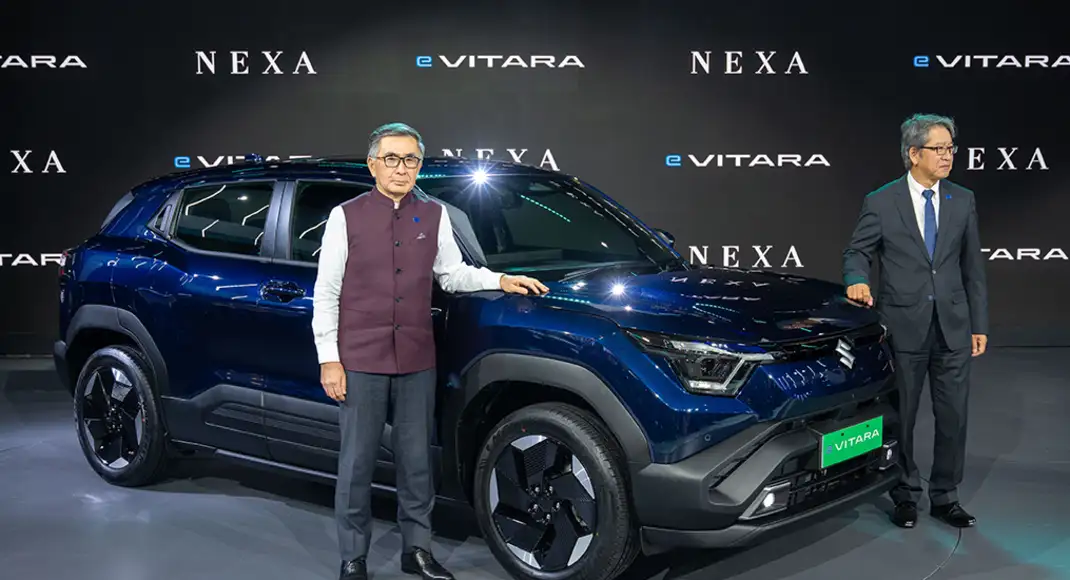
- Electric Cars: The launch of Maruti's eVitara has generated buzz, but overall sales figures indicate a decline. The reduced GST rates for ICE vehicles have made them more appealing to price-sensitive consumers.
- Two-Wheelers: The two-wheeler segment has seen a significant drop in EV adoption, with many buyers reverting to conventional bikes due to lower upfront costs and perceived reliability.
- Three-Wheelers: The three-wheeler market, traditionally a stronghold for electric options, is also facing challenges. The reduced tax burden on ICE variants has made them more competitive, leading to a slowdown in electric three-wheeler sales.
Market Context and Data Analysis
According to recent reports, the overall penetration of EVs in India has dipped by approximately 10% since the GST 2.0 adjustments took effect. This decline is noteworthy considering the aggressive targets set by the Indian government for EV adoption by 2030. Industry experts suggest that while the infrastructure for EVs is rapidly improving, consumer behavior remains heavily influenced by pricing strategies.
Moreover, the recent analysis by the Federation of Automobile Dealers Associations (FADA) indicates that while the demand for EVs surged in previous quarters, the current sales trajectory is inconsistent. The data shows that electric car sales have decreased by around 15% in the last quarter compared to the previous period. In contrast, the demand for ICE vehicles has surged, with an increase of 20% recorded.
Expert Insights and Future Outlook
Industry analysts argue that the government must reevaluate its tax strategies to ensure that EVs remain competitive. Rajesh Kumar, a prominent automotive analyst, stated, "The current GST structure favors traditional vehicles, which could undermine India’s long-term sustainability goals. A balanced approach is essential to revive the EV market."
Furthermore, manufacturers are urged to innovate and enhance their product offerings to attract consumers back to the EV segment. Enhanced battery technology, improved charging infrastructure, and attractive financing options could play pivotal roles in boosting sales moving forward.
Key Takeaways
- The reduction in GST rates for ICE vehicles has negatively impacted EV adoption across cars, two-wheelers, and three-wheelers.
- The launch of new models like Maruti's eVitara has not been enough to counteract the effects of this policy change.
- For investors, understanding market dynamics and consumer preferences is crucial in identifying potential opportunities within the EV sector.
As the Indian EV market navigates these challenges, stakeholders must remain vigilant and adaptable. The future of EVs in India hinges on effective policy frameworks and continuous innovation in technology.