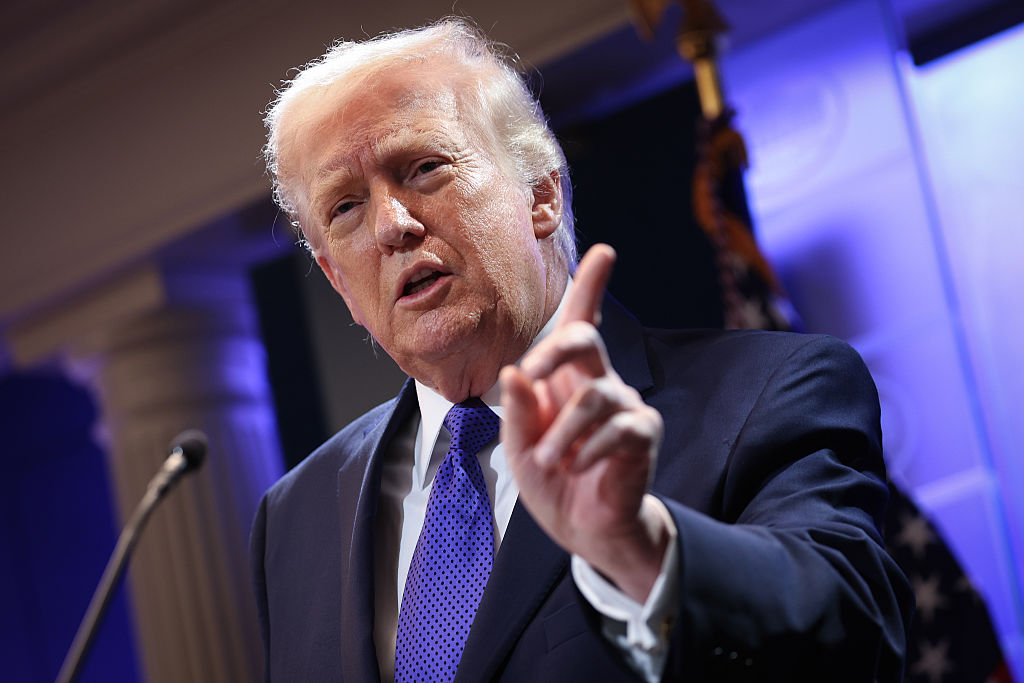
Trump's State of the Union Address: A Challenging Landscape
As President Donald Trump gears up to deliver the State of the Union address, he faces a political landscape markedly different from the one he encountered a year ago. Back then, his approval ratings were relatively high, bolstered by a booming economy and legislative victories. Today, however, his approval stands at near record lows, reflecting deep divisions within Congress and the electorate.
Current Polling and Its Implications
Recent polling data reveals that Trump's approval rating has dipped significantly, with many voters expressing dissatisfaction with his handling of key issues such as healthcare, immigration, and economic policy. According to a poll conducted by Gallup, only 36% of Americans approve of Trump's performance, a stark contrast to the 50% approval he enjoyed during his last State of the Union.
This decline in support is not merely a reflection of public sentiment but also poses potential risks for investors and the broader financial markets. Political uncertainty often leads to market volatility, and with Trump's policies under scrutiny, investors may need to reassess their strategies in light of potential shifts in economic policy.
Market Context and Economic Indicators
The financial markets have responded cautiously to the political climate, with major indices showing fluctuations in response to both domestic and international news. The S&P 500 has experienced a decline of approximately 8% over the past three months, driven by concerns over inflation and interest rates, alongside uncertainty regarding Trump's agenda moving forward.
Additionally, the Federal Reserve's recent signals regarding interest rate hikes have added another layer of complexity. As the Fed aims to control inflation, potential increases in interest rates could dampen consumer spending and investment, further impacting economic growth. Trump's upcoming address may provide insights on how his administration plans to navigate these challenges.
What This Means for Investors
In light of the current political and economic landscape, investors should consider several practical takeaways:
- Diversification is Key: With increasing volatility, diversifying investment portfolios can help mitigate risks associated with political and economic uncertainties.
- Focus on Stable Sectors: Consider reallocating investments into sectors that typically perform well during economic downturns, such as utilities and consumer staples.
- Stay Informed: Keep abreast of changes in policy and economic indicators that could affect market conditions. The outcome of Trump’s address could signal shifts in fiscal policy that could impact specific industries.
As Trump prepares to address Congress, all eyes will be on how he plans to unify a divided nation while addressing pressing economic concerns. Investors should remain vigilant and adaptable as the political landscape evolves.