Introduction
In a groundbreaking move, Waymo, the autonomous vehicle subsidiary of Alphabet Inc., has turned to gig economy workers to resolve a specific operational challenge affecting its robotaxi service. As self-driving technology continues to evolve, the need for human intervention in certain scenarios has become apparent. This initiative highlights both the potential of autonomous vehicles and the ongoing necessity for human oversight in the transition to fully autonomous transportation.
The Challenge of Open Doors
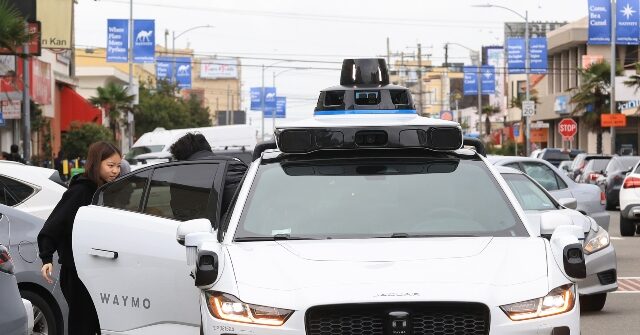
Waymo's robotaxis have faced an unexpected hurdle: customers frequently leave the vehicle doors open, which effectively immobilizes the cars. When the doors remain ajar, the self-driving system cannot proceed, leading to delays and disruptions in service. To tackle this issue, Waymo has engaged gig workers from platforms like DoorDash to close the doors and ensure the smooth operation of its fleet. This represents a unique intersection of technology and human labor in the pursuit of efficiency.
The Gig Economy Meets Autonomous Vehicles
The integration of gig workers into Waymo's operational model raises important questions about the future of work in the age of automation. As companies increasingly rely on technology, the need for flexible labor solutions has become more pronounced. By employing gig workers, Waymo not only addresses its immediate operational challenges but also contributes to the gig economy, providing additional income opportunities for individuals seeking flexible work arrangements.
According to a report from Statista, the gig economy has been growing steadily, with millions of Americans participating in various forms of gig work. This trend is likely to continue as companies like Waymo adopt similar strategies to enhance their services. The relationship between gig work and autonomous technology may become a blueprint for other industries aiming to integrate automation while maintaining a human touch.
Key Takeaways
- Operational Efficiency: Waymo's approach highlights the importance of human intervention in the deployment of autonomous vehicles.
- Gig Economy Growth: The initiative underscores the expanding role of gig workers in various sectors, especially in technology-driven industries.
- Investment Implications: Investors should monitor companies exploring hybrid models of automation and human labor, as this may influence their operational costs and efficiency in the long run.
What This Means for Investors
Waymo's strategy to utilize gig workers not only addresses a specific operational challenge but also signals a broader trend in the transportation and technology sectors. Investors should consider the implications of this model for companies navigating the complexities of automation. As the demand for autonomous services increases, those that effectively integrate human labor with technology may find themselves at a competitive advantage.
Additionally, the rise of the gig economy presents opportunities for investors looking to capitalize on the evolving labor landscape. Companies that can successfully blend automation with flexible work arrangements are likely to attract both customers and talent, potentially leading to increased market share and profitability.