The Divergence Between Tech Optimism and Public Skepticism
In recent years, artificial intelligence (AI) has been heralded by Silicon Valley executives as a transformative force, likened to the invention of electricity. Prominent figures in the tech industry have consistently touted AI's potential to enhance productivity, streamline operations, and revolutionize various sectors. However, while executives paint a picture of an AI-driven utopia, public sentiment tells a different story, characterized by skepticism and calls for regulation.
Public Concerns: A Closer Look
Recent surveys indicate a significant gap between the expectations of tech leaders and the apprehensions of the general populace. While many in Silicon Valley predict substantial improvements in workplace efficiency through AI, a large portion of the public remains unconvinced. Concerns about job displacement, ethical implications, and data privacy continue to dominate discussions surrounding AI adoption.
For instance, a recent survey found that only 38% of respondents believe AI will positively impact their jobs in the next five years. This apprehension is further bolstered by fears that AI technologies may perpetuate bias, as algorithms often reflect the prejudices of their creators. Additionally, a substantial majority of people express support for stringent regulations governing AI development and deployment, reflecting a desire for oversight in an area that many view as potentially hazardous.
Market Reactions and Implications
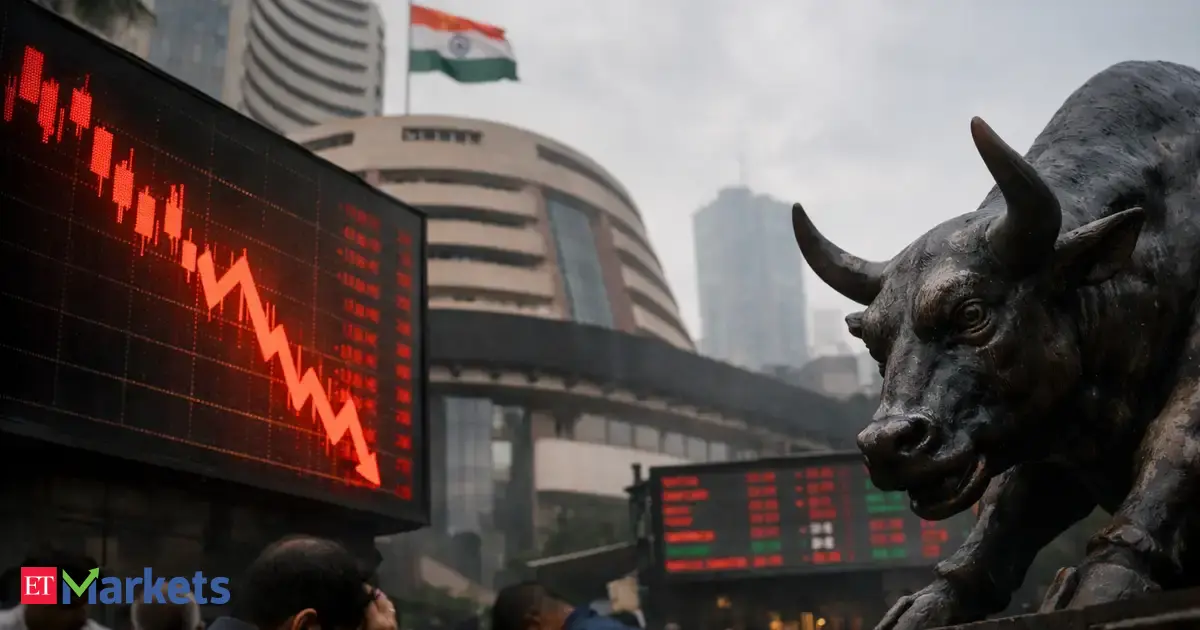
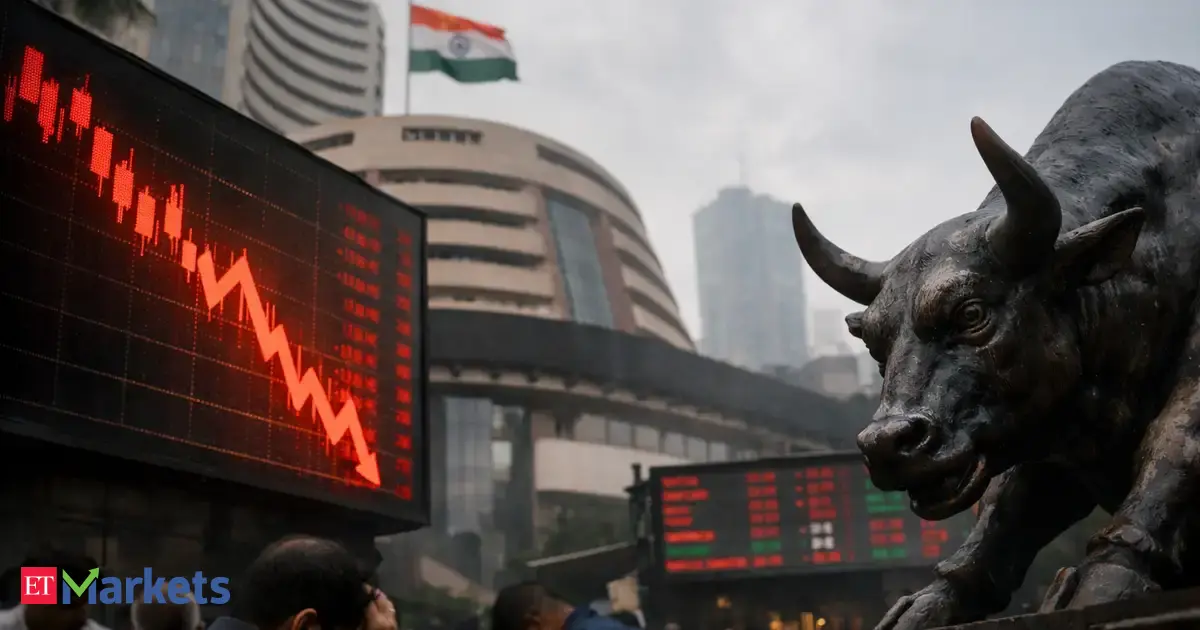
From an investment perspective, the landscape surrounding AI is complex. While tech stocks have seen a significant uptick in value due to AI-related innovations and announcements, investor confidence is tempered by the public's wariness. Companies heavily invested in AI, such as Microsoft and Google, continue to showcase their advancements, leading to bullish market trends. Yet, the persistent public skepticism could hinder broader acceptance and integration of these technologies.
As regulatory frameworks begin to take shape, companies may face increased compliance costs and operational constraints. Investors should remain mindful of how these regulatory measures could impact the profitability and scalability of AI initiatives. Moreover, the need for transparency and accountability in AI development is likely to influence market dynamics significantly.
- Investor Sentiment: The divergence between tech leaders’ optimism and public skepticism may create volatility in AI-related stocks.
- Regulatory Landscape: Investors should monitor developments in AI regulation, as stringent policies could impact operational costs.
- Public Perception: A shift in public sentiment towards more acceptance of AI could bolster technology stocks and market confidence.
Key Takeaways
The ongoing discourse surrounding AI highlights a critical intersection between innovation and public trust. Investors and stakeholders must navigate this complex terrain carefully. Here are some actionable takeaways:
- Stay informed about public sentiment towards AI technologies, as it may influence consumer behavior and market trends.
- Monitor regulatory developments that could affect the operational landscape for AI companies.
- Consider diversifying investments to include companies that prioritize ethical AI development and transparency.
In conclusion, while Silicon Valley continues to champion AI as a game-changer, the public's skepticism presents both challenges and opportunities for investors. Understanding this dynamic is crucial for making informed investment decisions in an increasingly AI-driven market.