The Rising Tide of Artificial Intelligence
In the rapidly evolving landscape of technology, artificial intelligence (AI) has emerged as a double-edged sword. While it promises unprecedented efficiency and innovation, financial researchers are sounding alarms about its potential consequences on employment and market stability. As the world grapples with these advancements, it becomes essential to analyze their implications for the economy.
Market Reactions to Recent Economic Policies
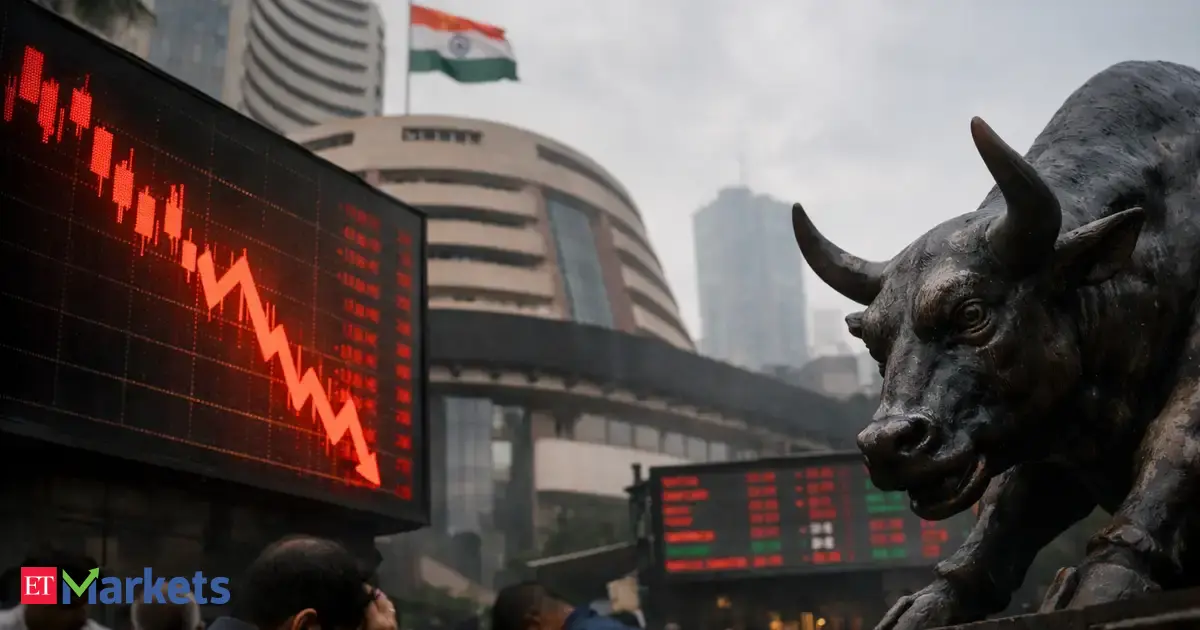
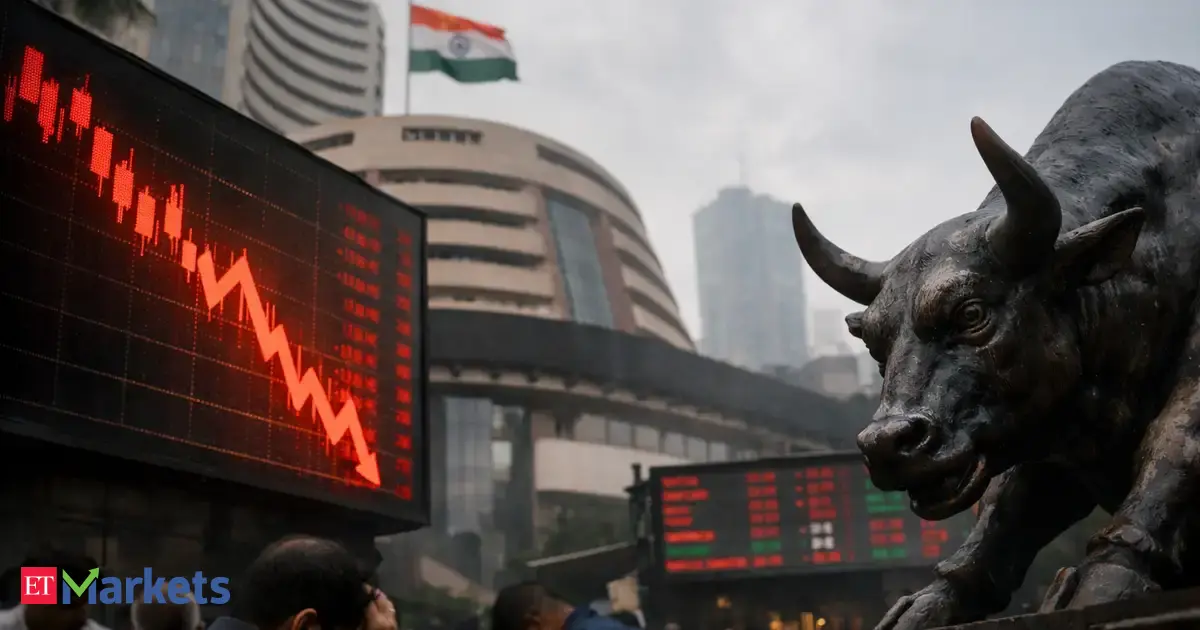
Recent political developments have intensified market volatility. Following the Supreme Court's decision to strike down President Donald Trump's emergency power tariffs, the President swiftly imposed new global tariffs ranging from 10% to 15% for a duration of 150 days. This move has led to significant declines in stock prices, with major indices experiencing a downward spiral. Financial media outlets are closely monitoring these changes, particularly in the context of rising unemployment fears fueled by AI advancements.
The Threat of Automation on Employment
As AI technology continues to integrate into various sectors, the threat to traditional jobs looms large. A recent report indicates that automation could displace millions of workers globally. Industries such as manufacturing, retail, and even sectors like finance and healthcare are not immune to the transformative effects of AI.
Experts suggest that while AI can enhance productivity, it may also exacerbate income inequality and social unrest. The potential for widespread unemployment raises critical questions about the future of work and the economy at large. The labor market may face a paradigm shift, necessitating a reevaluation of skills and training programs to prepare workers for a tech-driven future.
Implications for Investors
For investors, the intersection of AI and economic policy presents both challenges and opportunities. Market analysts recommend a cautious approach as companies navigate the complexities of integrating AI into their operations while managing economic uncertainties. Here are some practical takeaways for investors:
- Diversification is Key: Investors should consider diversifying their portfolios to mitigate risks associated with potential market downturns.
- Focus on Resilient Sectors: Sectors likely to benefit from AI advancements, such as technology and healthcare, may offer growth opportunities.
- Stay Informed: Keeping abreast of policy changes and economic indicators can help investors make informed decisions in a volatile market.
In conclusion, while AI holds the promise of revolutionizing industries, its potential to disrupt employment and create market instability cannot be overlooked. As we move forward, both policymakers and investors must navigate these challenges with foresight and adaptability.