Introduction
As geopolitical tensions rise, particularly following the sanctions imposed due to the ongoing Ukraine conflict, a new trend has emerged in the automotive industry: China is becoming a vital conduit for Western vehicles entering Russia. This development is not merely a coincidence but a calculated response to the restrictive measures that have forced many Western automakers to withdraw from the Russian market.
The Gray Market Dynamics
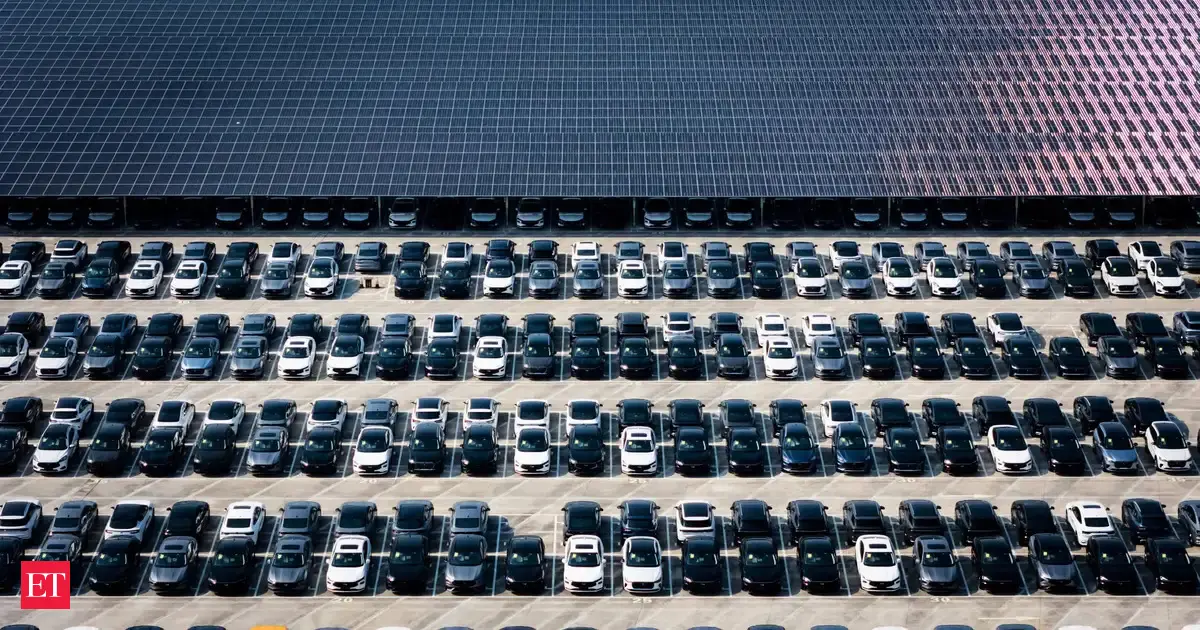
Tens of thousands of vehicles are making their way from China to Russia, often under gray-market schemes designed to bypass international sanctions. These vehicles include not only new cars but also units cleverly reclassified as used to facilitate their export. This reclassification allows Russian dealerships to source popular models that are now absent due to the departure of Western brands.
According to industry analysts, the practice of reclassifying new cars as used has gained traction as a loophole in the existing sanctions framework. Automotive exports from China have surged, with estimates indicating that the flow of vehicles could reach hundreds of thousands in the coming months. This influx poses significant challenges for Western automakers who once dominated the Russian market.
Market Implications and Expert Insights
The implications of this trend extend beyond the automotive sector. For investors, understanding the dynamics of this gray-market trade is essential. The ability of Russian dealers to procure vehicles from China could reshape the competitive landscape in the region. Analysts suggest that this shift may lead to a prolonged absence of Western brands, allowing Chinese automakers to solidify their presence.
- Market Share Shift: With Western companies like Ford and General Motors having exited, Chinese manufacturers are likely to capture significant market share.
- Price Competitiveness: Chinese vehicles, often priced lower than their Western counterparts, could attract cost-conscious Russian consumers.
- Long-Term Partnerships: The ongoing trade may foster long-term relationships between Chinese automakers and Russian dealers, further entrenching Chinese influence in the market.
Experts emphasize that while this may create opportunities for investors in Chinese automotive stocks, it also highlights the risks associated with geopolitical instability. The evolving sanctions landscape could lead to further complications, affecting supply chains and pricing stability.
What This Means for Investors
For those looking to navigate this shifting market, here are some practical takeaways:
- Diversification: Investors should consider diversifying their portfolios to include Chinese automotive companies that are poised to benefit from this trend.
- Risk Assessment: Keeping a close eye on geopolitical developments is crucial, as changes in sanctions or trade policies could impact investments.
- Market Research: Continuous market research will be vital to understand consumer preferences as Russian buyers adapt to a new array of vehicle options.
As Russia's automotive landscape continues to evolve due to these external pressures, the full implications of this gray-market trade will unfold in the coming months. Investors should remain alert and adaptable as the situation develops.