Overview of the Emerging Trade Dynamics
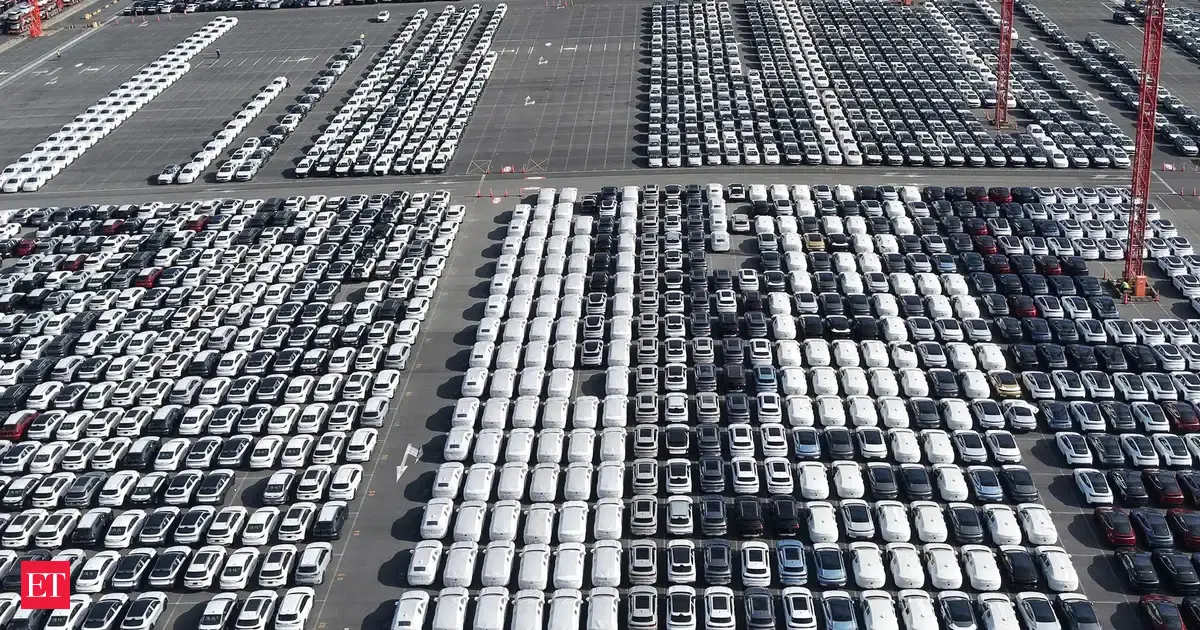
In recent months, a striking trend has emerged in the automotive sector: thousands of foreign vehicles, particularly from China, are being exported to Russia, effectively bypassing sanctions imposed due to the ongoing conflict in Ukraine. This development has significant implications for the global automotive market, as it highlights the resilience of gray-market trade in the face of geopolitical tensions.
The Gray Market: An Overview
The gray market refers to the trade of goods through unauthorized channels. In the context of the automotive industry, this means that vehicles are being sold in Russia despite the exit commitments made by major Western and Asian manufacturers in response to the invasion of Ukraine. Brands such as Toyota and Mazda, once considered stalwarts of the Russian market, are now seeing their vehicles enter the country through unofficial means.
According to industry analysts, tens of thousands of cars have already made their way into Russia from China. These exports utilize various methods to circumvent sanctions, including mislabeling shipments and exploiting loopholes in trade regulations. This situation presents a complex web of challenges and opportunities for investors and market participants.
Market Context and Data Analysis
The automotive industry is currently facing unprecedented challenges due to geopolitical tensions and supply chain disruptions. The withdrawal of Western manufacturers from Russia has left a significant gap in the market. In response, Chinese manufacturers have stepped in to fill this void, capitalizing on the demand for vehicles in Russia.
- Market Share Shifts: Chinese automotive brands have seen a significant increase in market share within Russia, as the absence of Western competitors has allowed them to expand their footprint.
- Export Growth: Data from trade organizations indicate a sharp rise in car exports from China to Russia, with some estimates suggesting an increase of over 50% year-on-year.
- Regulatory Challenges: As countries and organizations attempt to enforce sanctions, the automotive gray market is becoming increasingly sophisticated, posing regulatory challenges for enforcement agencies.
Expert Insights and Analysis
Experts in international trade and economics suggest that the burgeoning trade between China and Russia may have far-reaching implications for the global automotive industry. The ability of Chinese manufacturers to export vehicles to Russia without the constraints faced by their Western counterparts may lead to a shift in global supply chains.
Furthermore, the resilience of the gray market could indicate a potential trend where other nations may look to bypass sanctions. This raises critical questions about the effectiveness of sanctions as a tool for geopolitical strategy.
Investors should also be aware of the potential volatility in automotive stocks. Companies that are heavily invested in Russia or reliant on Russian markets may face increased scrutiny and risk as the situation evolves.
Key Takeaways for Investors
- Investors should monitor the developments in the gray market for potential investment opportunities, particularly in Chinese automotive stocks.
- Understanding the shifts in market dynamics is crucial, as traditional automotive giants may face declining market share in regions affected by sanctions.
- Awareness of regulatory changes and enforcement actions is essential for assessing the risk associated with investments in the automotive sector.
In conclusion, the ongoing trade of vehicles from China to Russia amidst sanctions presents a complex yet intriguing scenario for the global automotive market. As this gray market continues to evolve, it will be essential for investors and market participants to stay informed and adapt to the changing landscape.