Understanding the Concept of Animal Spirits
The term animal spirits was popularized by the British economist John Maynard Keynes in his seminal work, The General Theory of Employment, Interest, and Money, published in 1936. Keynes used this phrase to describe the emotional and psychological factors that influence economic decision-making. He argued that these intangible elements could significantly affect consumer behavior and business investment, often leading to fluctuations in the economy that pure rational analysis could not explain.
Historical Context and Predecessors
While Keynes is credited with bringing the term into mainstream economic discourse, the roots of the idea can be traced back to earlier thinkers. For instance, Adam Smith alluded to the importance of human emotions in economic behavior in his work, The Theory of Moral Sentiments. Similarly, Thorstein Veblen discussed the influence of social and psychological factors on consumption in the early 20th century.
This historical backdrop highlights a long-standing recognition among economists that human behavior is not solely driven by rational calculations. Instead, it is heavily influenced by sentiment, confidence, and a range of emotional responses to market conditions.
The Modern Implications of Animal Spirits
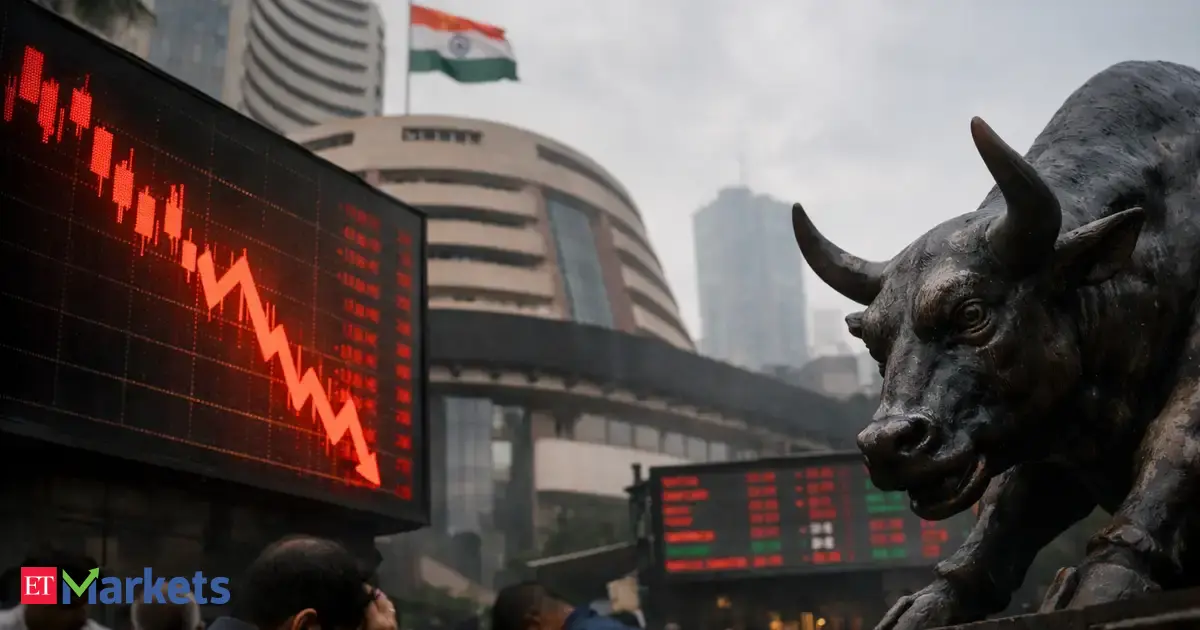
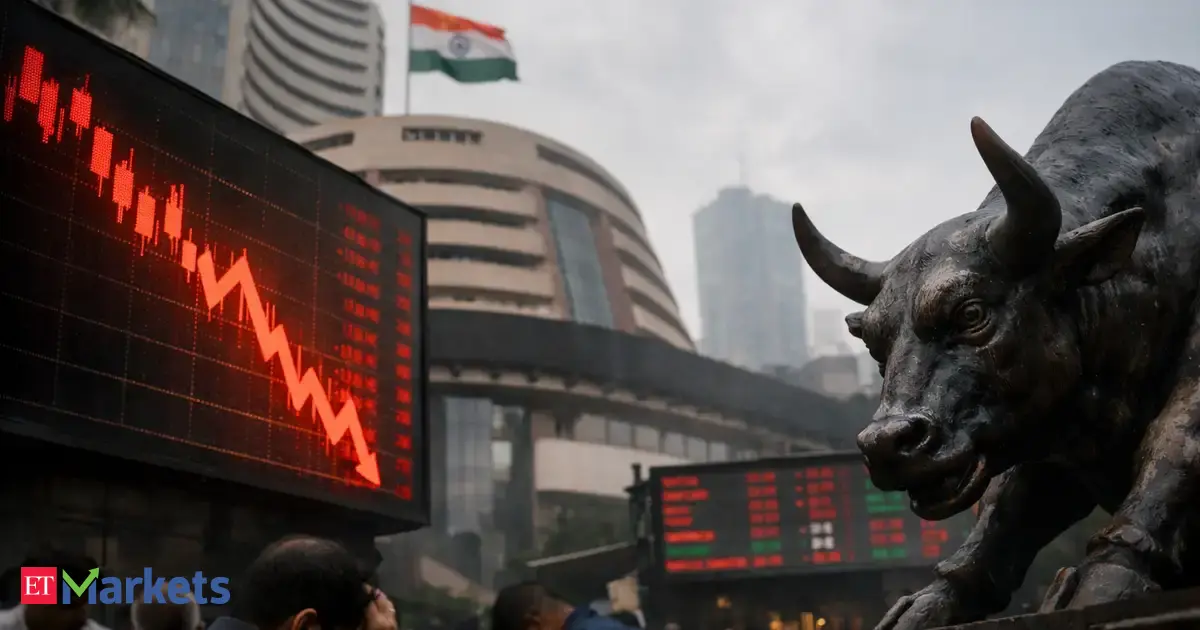
In today's volatile markets, the relevance of animal spirits remains pronounced. The COVID-19 pandemic served as a stark reminder of how fear and uncertainty can lead to drastic shifts in consumer spending and investment patterns. For instance, during the initial stages of the pandemic, many consumers halted discretionary spending, while others rushed to buy goods perceived as essential.
Current economic indicators, such as consumer confidence indices and market sentiment surveys, underscore the ongoing impact of animal spirits. When confidence is high, consumers are more likely to spend, which in turn fuels economic growth. Conversely, when fear prevails, spending contracts, leading to economic downturns.
Moreover, central banks and policymakers now consider these psychological dimensions when crafting economic policy. For example, during times of economic uncertainty, measures such as lowering interest rates or implementing quantitative easing are aimed not just at stimulating the economy through traditional mechanisms but also at boosting consumer and investor confidence.
Key Takeaways
- The concept of animal spirits highlights the significance of psychological factors in economic activity.
- Understanding these dynamics can provide investors with insights into market trends and consumer behavior.
- Policymakers are increasingly recognizing the role of sentiment in economic forecasting and decision-making.
In essence, both investors and policymakers should remain attuned to the psychological undercurrents that drive market behavior. By acknowledging the influence of animal spirits, stakeholders can make more informed decisions that account for the often unpredictable nature of human emotions in economic contexts.