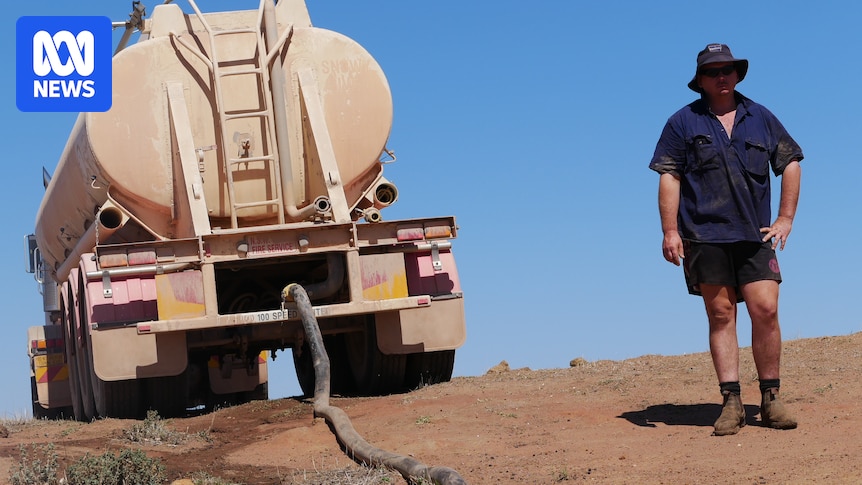
Severe Drought Conditions Hit New South Wales
As New South Wales endures an exceptionally hot and dry summer, the repercussions are being felt deeply across the agricultural sector. Farmers like Ryan Staniforth are facing dire circumstances as empty dams and parched land force them to find innovative solutions to sustain their livestock. The ongoing drought not only threatens individual farms but also poses significant risks to the wider agricultural economy.
Impact on Agriculture and Livestock
The drought has led to a drastic reduction in water supply, leaving many farmers scrambling to secure water for their sheep and cattle. Staniforth, for instance, has resorted to carting water to his livestock, a costly and labor-intensive effort. The situation highlights a growing concern within the farming community as they struggle to maintain their herds amidst dwindling resources.
Recent data indicates that New South Wales has experienced one of its driest seasons on record, with rainfall levels significantly below average. This has not only affected livestock but has also resulted in reduced crop yields, further straining farmers' financial viability. The dairy sector, in particular, is facing challenges as milk production sees a decline, leading to potential price increases for consumers.
Market Context and Economic Implications
The implications of the drought extend beyond the immediate concerns of farmers. As livestock numbers dwindle and crop production falters, market prices for agricultural products are expected to rise. This trend could lead to inflationary pressures on food prices, affecting consumers nationwide.
Moreover, the Australian Bureau of Agricultural and Resource Economics and Sciences (ABARES) has projected that the agricultural sector may see a downturn in profitability for the upcoming year. With many farmers relying on government assistance and subsidies, the financial strain on rural economies may widen, leading to further economic challenges.
What This Means for Investors
Investors should closely monitor the developments in New South Wales and the broader Australian agricultural sector. Here are some practical takeaways:
- Diversification: Investors might consider diversifying their portfolios to include agricultural commodities that are less susceptible to drought conditions.
- Supply Chain Awareness: Understanding the supply chain challenges faced by agricultural producers can provide insights into potential investment opportunities and risks.
- Long-Term Trends: Sustainable farming practices and technologies that promote water conservation could emerge as significant investment areas as the industry adapts to changing climate conditions.
The situation in New South Wales is a stark reminder of the vulnerabilities faced by the agricultural sector in the wake of climate change. As farmers continue to battle these challenges, the ripple effects will likely be felt throughout the economy, making this a pivotal moment for both agricultural producers and investors alike.