Introduction
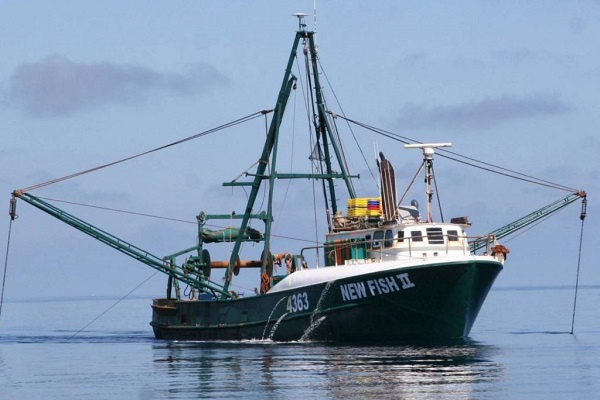
The industrial fishing sector in Ghana is currently facing significant challenges, as the country's fleet of industrial trawlers has not been operational since February 3. This unprecedented situation arises from what operators are calling unfavourable allocations of fishing rights at sea. As a result, vessels have been left idle at the port, leading to concerns about the broader implications for the industry and the local economy.
Current Situation in the Fishing Industry
Ghana's fishing industry is critical to the economy, contributing to both food security and employment. However, the recent grounding of the industrial trawler fleet highlights a severe disruption. Operators have reported that the allocations provided by regulatory authorities do not reflect sustainable fishing practices or the needs of the market, leading to a backlog of vessels unable to operate.
According to industry insiders, the allocations are based on outdated data, and many trawlers are now unable to access previously available fishing grounds. This scenario not only affects the trawlers but also the livelihoods of thousands who depend on fishing for their income.
Market Context and Impact
The consequences of this operational halt extend beyond just the trawlers. The fishing industry in Ghana is interconnected with various sectors, including processing, distribution, and retail. With trawlers docked, there is a rising concern over fish supply shortages, which could lead to increased prices and a strain on local markets.
Market analysts suggest that this situation could exacerbate food inflation in the country, as fish is a staple protein source for many Ghanaians. Moreover, the idle fleet represents a loss of revenue not only for the operators but also for the government through taxes and licenses.
Recent data indicates that Ghana’s fishing sector contributes approximately 4% to the national GDP, and disruptions like these could have ripple effects across the economy. The government will need to address these allocation issues promptly to prevent long-term damage to this vital sector.
What This Means for Investors
For investors, the current state of Ghana's industrial fishing fleet presents both challenges and opportunities. Here are some practical takeaways:
- Monitor Regulatory Changes: Investors should keep a close eye on government actions regarding fishing quotas and regulations, as these will directly impact the operational capacity of the fleet.
- Diversify Investments: Given the volatility in the fishing sector, diversifying investments into other sectors that are less affected by regulatory issues could mitigate risks.
- Consider Sustainable Practices: As the industry grapples with sustainability concerns, investing in companies that prioritize sustainable fishing practices may yield long-term benefits and align with global trends.
In conclusion, the grounding of Ghana's industrial trawlers is a significant event that underscores the importance of responsive regulatory frameworks in the fishing industry. Stakeholders must work collaboratively to ensure that allocations are fair and sustainable, paving the way for a more resilient fishing sector that can withstand future challenges.