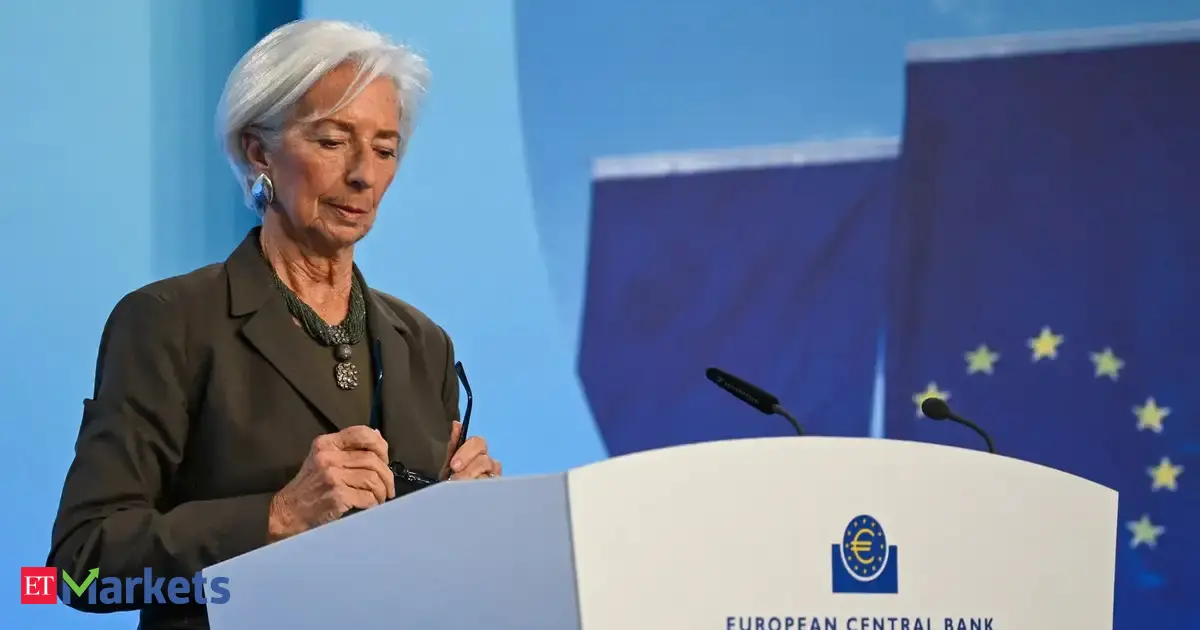
Christine Lagarde's Possible Departure: What It Means for Europe
According to recent reports, Christine Lagarde, the President of the European Central Bank (ECB), might resign before the conclusion of President Emmanuel Macron's term in 2027. This potential exit is significant as it comes at a time when the political landscape in France and Europe is increasingly volatile, particularly with the far-right gaining traction.
The Timing and Its Political Implications
Lagarde's anticipated resignation is viewed as a strategic move to enable President Macron to have a say in her successor. This could potentially mitigate risks associated with a shift in monetary policy should a far-right candidate come to power in the next presidential election. By stepping down early, Lagarde would not only pave the way for Macron but also help stabilize the ECB's direction during a critical political juncture.
The far-right's rising popularity, particularly in France, raises concerns about the continuity of the ECB’s current policies. Should a far-right leader take office, there is a risk that they could push for more nationalistic and less cooperative monetary policies, which could disrupt the Eurozone's economic stability.
Market Reactions and Economic Outlook
The financial markets are already responding to the potential changes in leadership at the ECB. Investors are closely monitoring the situation, as any shifts in monetary policy could have widespread implications for interest rates, inflation, and overall economic growth in the Eurozone.
As of now, the Eurozone is grappling with inflationary pressures and a slow recovery post-pandemic. With the ECB's current stance on interest rates, any new leadership could signal a shift in how aggressively or conservatively the central bank approaches these challenges.
Recent data indicates that inflation in the Eurozone remains above the ECB's target of 2%, prompting discussions around the need for more stringent monetary measures. A change in leadership could either exacerbate or alleviate these pressures, depending on the incoming president's policies.
What This Means for Investors
Investors should consider the following key takeaways in light of the potential changes at the ECB:
- Monitor Political Developments: Stay informed about the political landscape in France and the wider Eurozone. Changes in leadership could significantly impact market sentiment and monetary policy.
- Diversify Investments: Given the uncertainty surrounding ECB leadership, diversifying investments across different sectors and regions may mitigate risks associated with potential market volatility.
- Focus on Interest Rate Trends: Keep an eye on interest rate forecasts and the ECB's policy announcements. Any shifts in policy could affect bond prices and stock valuations across Europe.
In conclusion, Christine Lagarde's potential resignation from the ECB could set off a chain reaction affecting both the financial markets and the broader economy. Investors must remain vigilant and adaptable to navigate these uncertain waters.