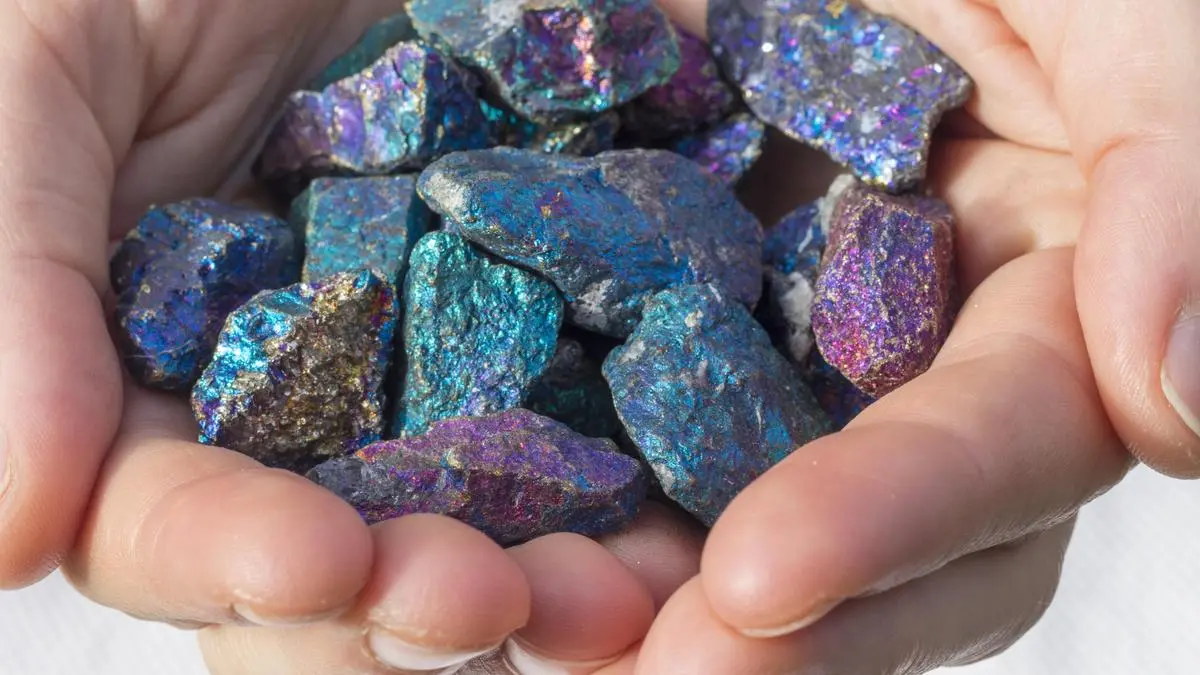
India's AI Aspirations and the Need for Rare Earth Magnets
At the recent India AI Impact Summit held in New Delhi, industry titans including Sam Altman, Sundar Pichai, Demis Hassabis, and Dario Amodei discussed the future of artificial intelligence (AI) in India. However, a significant topic overshadowed their discussions—the critical importance of rare earth magnets in the context of AI and technological advancements.
As India positions itself as a leader in AI development, understanding the supply chain of rare earth elements (REEs) becomes imperative. These materials are essential for producing high-performance magnets that power various industries, including electronics, renewable energy, and, importantly, AI technologies.
The Global Supply Chain: From China to the World
The global supply chain of rare earth magnets is heavily dominated by China, which currently controls about 60% of the world’s production of rare earth elements. This dominance poses a strategic risk for countries like India, the United States, and Australia that are aiming to bolster their technological capabilities and reduce dependency on a single country.
China's grip on the rare earth supply chain extends to the processing and refinement stages, where the country has established extensive infrastructure. In contrast, the U.S. and Australia are working to revive their domestic mining and processing capabilities to secure a more stable supply of these crucial materials.
Emerging markets such as Brazil are also looking to enter the rare earth sector, with projects in development that could diversify the supply chain and lessen the reliance on Chinese resources. This diversification is not just a matter of economic strategy; it is essential for national security and technological independence.
The Importance of Rare Earth Magnets
Rare earth magnets are a cornerstone for various high-tech applications. They are used in everything from smartphones to electric vehicles and advanced AI systems. The performance of these magnets, which are significantly stronger than conventional magnets, directly impacts the efficiency and capability of electronic devices and AI applications.
As demand for AI technologies escalates, driven by advancements in machine learning, robotics, and data analytics, the need for rare earth magnets is projected to soar. According to market research, the global rare earth magnet market is expected to grow from USD 6.5 billion in 2023 to USD 10 billion by 2030, reflecting a compound annual growth rate (CAGR) of 7.5%.
Investors should note that this growth presents opportunities in the mining and processing sectors as well as in companies specializing in the development of AI technologies reliant on these materials. Furthermore, government policies aimed at enhancing domestic production capabilities may also influence investment strategies in this space.
Key Takeaways
- Strategic Importance: Rare earth elements are vital for AI technologies, making understanding their supply chain crucial for stakeholders.
- Diversification Efforts: Countries like the U.S., Australia, and Brazil are actively working to reduce dependency on Chinese rare earth supplies.
- Investment Opportunities: The anticipated growth in the rare earth magnet market presents significant opportunities for investors in related sectors.
In conclusion, as India advances its AI initiatives, the strategic role of rare earth magnets cannot be overlooked. Understanding the complexities of the global supply chain is essential for investors and policymakers aiming to ensure technological growth and security in an increasingly competitive landscape.