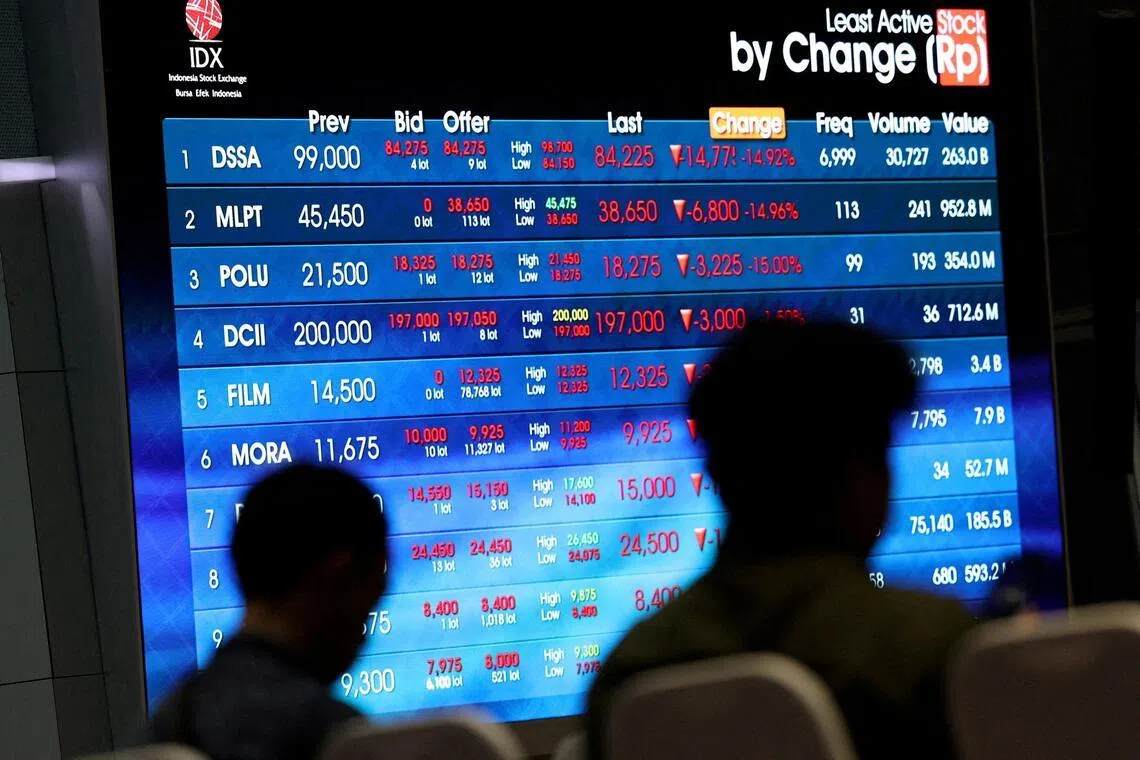
Indonesia's Increased Shareholding Requirements
Indonesia is set to witness an unprecedented surge in share sales as the country’s stock exchange implements stricter free-float regulations. This initiative is essential to prevent a potential downgrade in the nation’s market classification by the MSCI, a move that could have significant implications for both investors and the broader economy.
Implications of Stricter Free-Float Rules
The Indonesia Stock Exchange (IDX) has projected that approximately 267 companies will need to elevate their public shareholdings to at least 15 percent. This requirement is part of a broader strategy to enhance market liquidity and transparency, ultimately aiming to protect Indonesia's status as an emerging market. The MSCI, a leading global equity index provider, has indicated that maintaining sufficient free-float levels is critical for a country’s inclusion in its indices.
The move comes as a direct response to increasing scrutiny regarding the governance and accessibility of Indonesian equities. A downgrade to frontier market status could deter foreign investments, leading to reduced capital inflows that are vital for economic growth.
Market Context and Historical Performance
Historically, Indonesia has been viewed as a vibrant market with substantial growth potential. However, recent fluctuations in global economic conditions and domestic challenges, including regulatory changes and the impact of the COVID-19 pandemic, have prompted a reevaluation of its market standing. The IDX has seen varying levels of foreign investment, with many investors looking for greater assurance of stability and compliance with international standards.
Current data indicates that the Indonesian stock market has been on a recovery path, with the benchmark index showing resilience despite global economic headwinds. As of October 2023, the IDX Composite Index has experienced a year-to-date increase of around 10%, signaling renewed investor confidence. However, the impending adjustments to free-float requirements could introduce volatility as companies scramble to meet these new standards.
Expert Insights and Forecasts
Market analysts anticipate that the required share sales will lead to both opportunities and challenges for investors. On one hand, increased public shareholding could enhance market liquidity, making it easier for investors to buy and sell shares. On the other hand, the rush to meet regulatory standards may lead to an influx of new shares that could dilute existing ownership and impact stock prices.
“This is a pivotal moment for Indonesian equities,” says Dr. Anisa Rahman, a financial analyst at Jakarta Investment Group. “While the intention behind these regulations is to stabilize the market, the execution will be crucial. Companies must balance their capital needs with shareholder interests.”
Key Takeaways
- Record Share Sales: Indonesia is preparing for unprecedented share sales to comply with new regulations.
- Free-Float Requirement: 267 companies must increase public holdings to 15% to avoid market downgrade.
- Market Stability: Enhanced public shareholding aims to bolster market liquidity and attract foreign investors.
- Investor Caution: While opportunities may arise from increased liquidity, investors should watch for potential stock price volatility.
In conclusion, the Indonesian government's push for greater transparency and market access reflects a commitment to maintaining its emerging market status. For investors, staying informed and adapting to these changes will be vital in navigating the evolving landscape of Indonesian equities.