Introduction
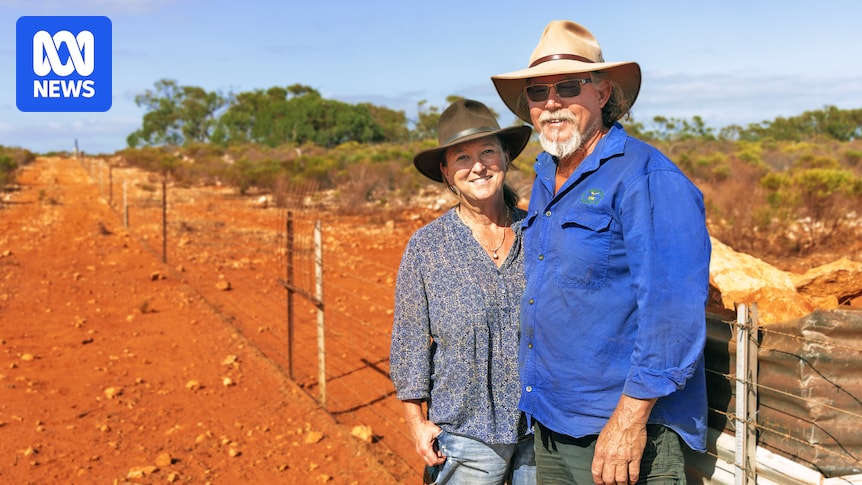
In the heart of Australia’s outback, a remarkable innovation is making waves in pest management. Calum and Belinda Carruth have developed a nine-kilometre-long goat trap at Murchison House Station, effectively addressing the rampant issue of feral goats that threaten the fragile ecosystem. This initiative not only aims to protect the land but also presents a sustainable and profitable model for pest control.
The Problem with Feral Goats
Feral goats have become a significant nuisance in various remote areas of Australia, including the Carruths' station. Their unchecked population growth has detrimental impacts on native flora and fauna, leading to soil erosion and biodiversity loss. Traditional methods of managing these feral populations, such as mustering with helicopters and motorbikes, are not only disruptive but also costly and labor-intensive.
The Carruths recognized the urgent need for a more effective solution. Their innovative goat trap operates quietly, distinguishing it from conventional methods that often involve noise and chaos. By reducing stress on the animals and minimizing disturbance to the surrounding environment, the trap has garnered attention from both environmentalists and agricultural stakeholders.
A Technological Marvel in Pest Management
The goat trap's design leverages advanced technology combined with a deep understanding of goat behavior. The structure operates on a simple yet effective principle: it encourages goats to enter a designated area through strategically placed bait. Once inside, they are safely contained, allowing for easy management and removal.
This approach not only helps in managing the goat population but also serves as a model for other regions grappling with similar pest issues. The Carruths report that the initial investment in building the trap has already paid off through reduced costs associated with traditional mustering methods and increased productivity of the land.
Market Implications and Economic Insights
The implications of this innovative goat trap extend beyond environmental benefits; it also presents potential economic opportunities. The agricultural sector, particularly in areas plagued by feral pests, can learn from the Carruths' experience. As pest management becomes increasingly crucial for maintaining sustainable farming, such technologies could attract investment and drive growth within the sector.
- Cost Savings: By reducing the need for expensive aerial mustering, farmers can allocate resources more efficiently.
- Sustainability: Protecting delicate ecosystems enhances the long-term viability of agricultural practices.
- Market Demand: Growing consumer preference for environmentally-friendly practices can boost marketability for sustainably managed products.
Key Takeaways
The Carruths’ goat trap exemplifies how innovative solutions can address longstanding agricultural challenges. Investors and stakeholders in the agricultural sector should consider the following:
- Investing in sustainable pest management technologies can provide significant returns by enhancing land productivity and preserving ecosystems.
- As environmental concerns rise, adapting innovative methods could enhance brand value and customer loyalty in agricultural products.
- Collaboration with tech innovators could drive further advancements in pest management, opening avenues for new market solutions.
In conclusion, the Carruths' nine-kilometre goat trap is more than just a tool for pest control; it is a blueprint for sustainable agricultural practices that can reshape the industry’s future. As the effects of climate change and biodiversity loss become more pronounced, such innovations will be critical in ensuring the long-term health of both the land and the economy.