Warnings of a Potential Market Crash: Understanding the Buffett Indicator
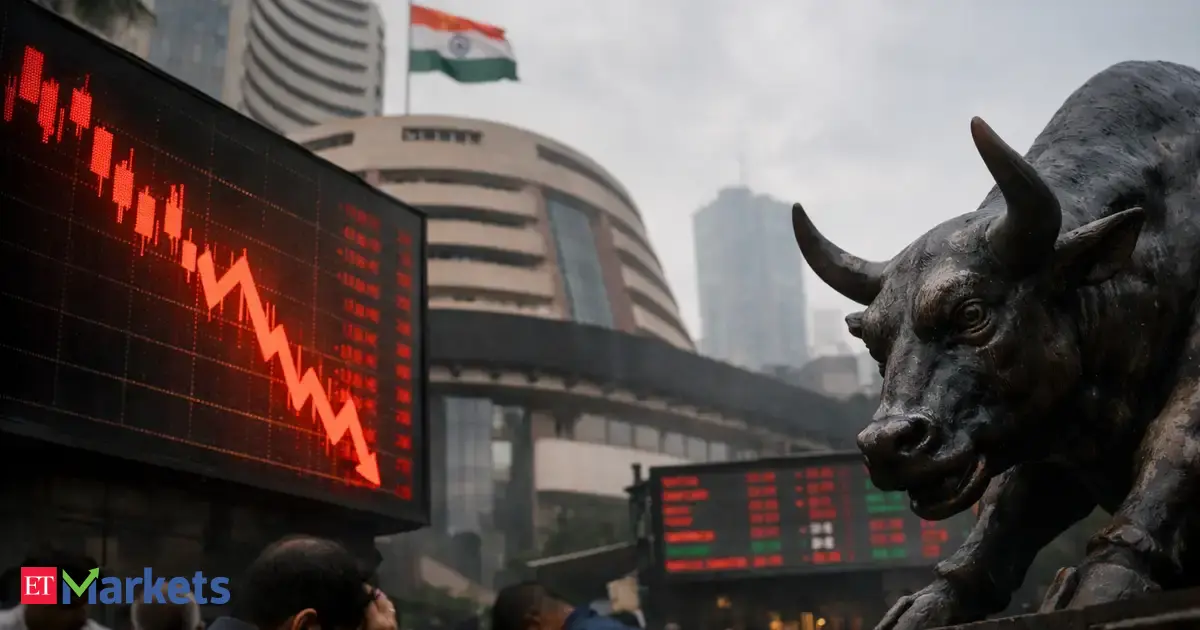
The US stock market is facing increasing scrutiny as experts warn of a potential crash in 2026, indicated by the Warren Buffett indicator, which has recently reached a concerning 220.1%. This metric, which compares the total market capitalization to the nation's GDP, suggests that the market is significantly overvalued, surpassing levels seen before the 2022 decline.
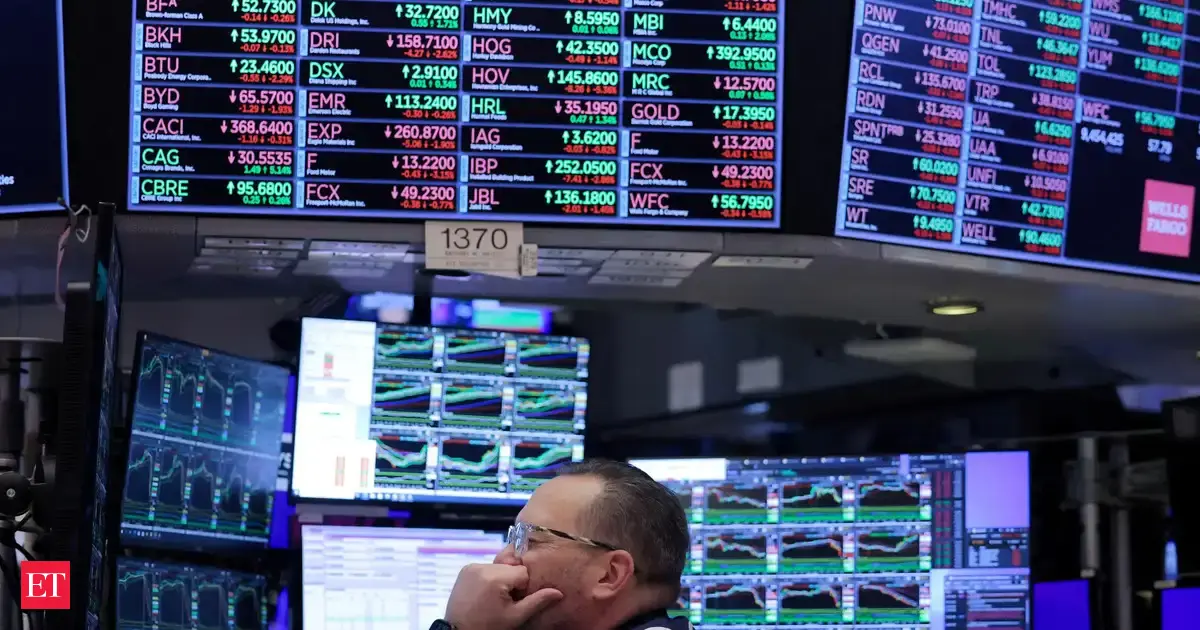
Capital Economics and Goldman Sachs have both issued cautionary forecasts regarding the S&P 500, hinting at a possible downturn. Investors are advised to closely monitor key factors such as valuations, earnings growth, and specific stock declines, including Trex, as they navigate this turbulent market landscape.
Market Context: Analyzing Current Valuations and Trends
The current valuation of the S&P 500, now sitting at historically high levels, raises alarms among analysts. The Buffett indicator's reading of 220.1% not only reflects investor exuberance but also raises questions about sustainable growth and profitability moving forward. As corporate earnings reports roll in, any signs of slowing growth or missed expectations could further exacerbate fears of a market correction.
Financial analysts have pointed out that while high valuations can persist for extended periods, they often precede significant corrections. For instance, the current market conditions are reminiscent of the late 1990s dot-com bubble. Investors should remain vigilant and assess their portfolios against potential headwinds.
Expert Insights: Preparing for Market Volatility
Experts suggest that investors should not only focus on the Buffett indicator but also consider other economic indicators and company-specific performance metrics. The decline of Trex stock, for instance, may serve as a bellwether for broader market health, indicating that even strong companies can falter under current economic pressures.
Furthermore, analysts recommend diversifying investments and considering sectors that typically perform well during market downturns. Defensive stocks, such as utilities and consumer staples, may provide a buffer against volatility. Additionally, keeping a close eye on interest rate movements and inflation metrics is crucial, as these factors significantly influence market dynamics.
Key Takeaways for Investors
- Monitor the Buffett Indicator: With the current reading at 220.1%, be aware of market overvaluation.
- Watch Corporate Earnings: Earnings growth or declines can provide insight into future market movements.
- Consider Defensive Stocks: In anticipation of potential volatility, diversify into more stable sectors.
- Stay Informed: Keep abreast of economic indicators that can impact market performance.
As we approach 2026, investors must remain proactive, adapting their strategies to changing market conditions and preparing for potential corrections. While the warnings are significant, informed decision-making can mitigate risks and capitalize on future opportunities.