Introduction
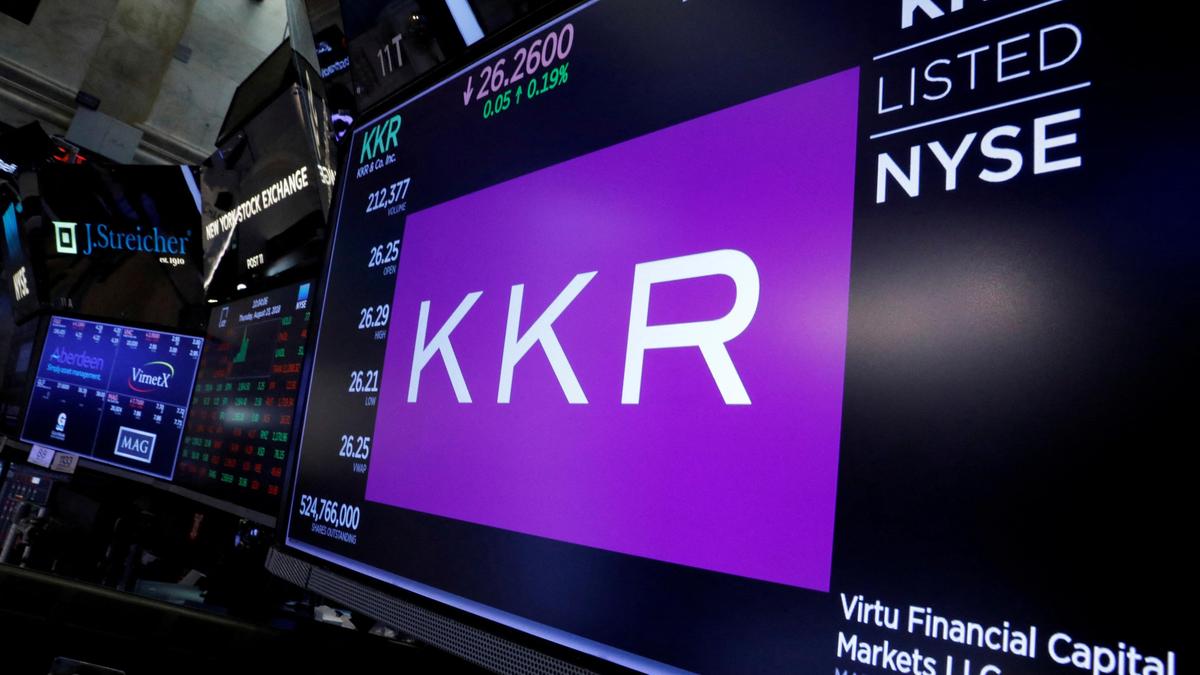
The global investment landscape is rapidly evolving, and private equity giant KKR is keenly eyeing India's burgeoning infrastructure sector. With a significant focus on urbanization, energy demands, and supportive government initiatives, KKR is identifying substantial opportunities for infrastructure investments in the country.
Current Economic Landscape
India's economy is on a path of robust growth, driven by a combination of demographic dividends, increasing urbanization, and economic reforms. As of October 2023, the country's GDP growth rate is projected at around 6.5%, bolstered by investments in infrastructure and a focus on sustainable energy. According to the Ministry of Finance, the government has allocated over $100 billion for infrastructure development in the current fiscal year, aiming to enhance connectivity and boost economic productivity.
Despite the positive fundamentals, KKR's recent discussions with local regulators, CEOs, and policymakers indicate a sentiment of caution among stakeholders. The ongoing global economic uncertainties and inflationary pressures have led to a more reserved outlook, although the underlying trends appear favorable for long-term investment.
Factors Driving Infrastructure Investment
Several key factors are contributing to KKR's interest in India's infrastructure sector:
- Urbanization: With over 600 million people expected to migrate to urban areas by 2031, the demand for infrastructure—ranging from transportation to housing—is set to soar.
- Government Initiatives: The Indian government is actively promoting infrastructure development through policies like the National Infrastructure Pipeline, which aims to attract private investment and foster public-private partnerships.
- Energy Transition: India is transitioning towards renewable energy sources, with ambitious targets to achieve 500 GW of non-fossil fuel capacity by 2030. This presents opportunities for investment in solar and wind energy projects.
KKR’s commitment to harnessing these opportunities is evident through its strategic approach to forming alliances with local partners and investing in sectors poised for growth.
What This Means for Investors
For investors looking to capitalize on India's infrastructure boom, KKR's insights offer valuable guidance. Here are some practical takeaways:
- Diversification: Investing in infrastructure can serve as a hedge against market volatility while providing stable returns.
- Focus on Sustainability: With the government's push towards renewable energy, investors should consider projects that align with sustainability goals.
- Engagement with Local Partners: Collaborating with local firms can provide insights and mitigate risks associated with regulatory and market landscapes.
As KKR navigates the cautious yet promising environment in India, its focus on infrastructure presents a significant opportunity for investors aiming to enter or expand in this dynamic market.
Conclusion
The insights shared by KKR reflect a broader trend of optimism in India's infrastructure sector. While caution remains a key theme, the fundamental drivers of growth suggest that the future for infrastructure investments in India is bright. Investors should carefully assess the landscape and align their strategies with the evolving market dynamics to capitalize on potential opportunities.