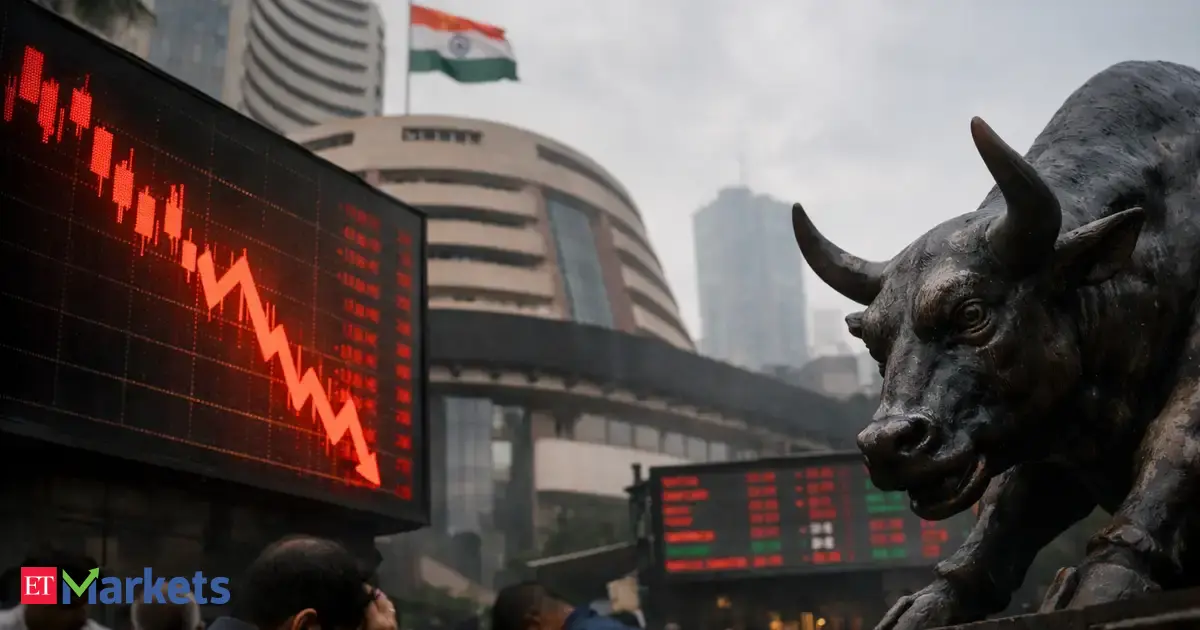
Overview of Market Conditions
On the heels of a notable rally, Indian benchmark indices are poised to enter Tuesday's trading session with considerable momentum. The Sensex climbed over 670 points in the previous session, reflecting a robust investor sentiment following the US Supreme Court's ruling that overturned former President Donald Trump’s extensive global tariffs. This decision is expected to have far-reaching implications for global trade dynamics and, by extension, the Indian market.
Key Influences on Market Direction
Tuesday's market direction will be largely influenced by the following ten factors:
- Technical Resistance Levels: Analysts have identified crucial resistance points for the Sensex and Nifty. If these levels are breached, it may confirm the bullish momentum, while a failure to do so could indicate a pullback.
- Volatility Trends: The India VIX, a gauge of market volatility, is a critical indicator. A spike in the VIX often signals increased uncertainty, which can dampen investor enthusiasm.
- Global Market Sentiment: Developments in international markets, particularly in the US and European equities, will impact investor psychology in India. Positive cues from these markets could enhance local buying.
- Corporate Earnings Announcements: As the earnings season unfolds, results from major companies will provide insights into economic health and influence stock prices.
- Commodity Prices: Fluctuations in key commodities, particularly oil and gold, can affect investor sentiment and capital flows in the market.
- Foreign Institutional Investment (FII) Trends: The buying or selling patterns of FIIs can significantly sway market movements, especially in a post-tariff environment.
- Domestic Economic Indicators: Upcoming economic data releases, such as inflation rates and GDP growth figures, will play a vital role in shaping market expectations.
- Government Policy Changes: Any new fiscal or monetary policies introduced by the government could impact market dynamics, particularly in sectors sensitive to regulatory changes.
- Global Economic Developments: Economic data from other major economies, particularly China and the Eurozone, can influence market trajectories in India.
- Investor Sentiment: General investor mood, shaped by news cycles and social media, will also affect trading volumes and market stability.
What This Means for Investors
For investors navigating this complex landscape, keeping a close eye on the factors outlined above is essential. Here are some practical takeaways:
- **Monitor Technical Levels:** Understanding resistance and support levels can help investors make informed decisions regarding entry and exit points.
- **Stay Updated on Volatility Metrics:** Keeping track of the India VIX can provide insights into market conditions and potential investment risks.
- **Evaluate Earnings Reports:** Pay attention to earnings announcements and how they align with market expectations to gauge potential stock movements.
- **Diversify Investments:** In a volatile market, diversification across sectors and asset classes can mitigate risks.
As the Indian stock market gears up for Tuesday, the interplay of these factors will be crucial in determining stock performance. Keeping abreast of these developments will enable investors to navigate potential market shifts effectively.