Understanding the Tariff Changes
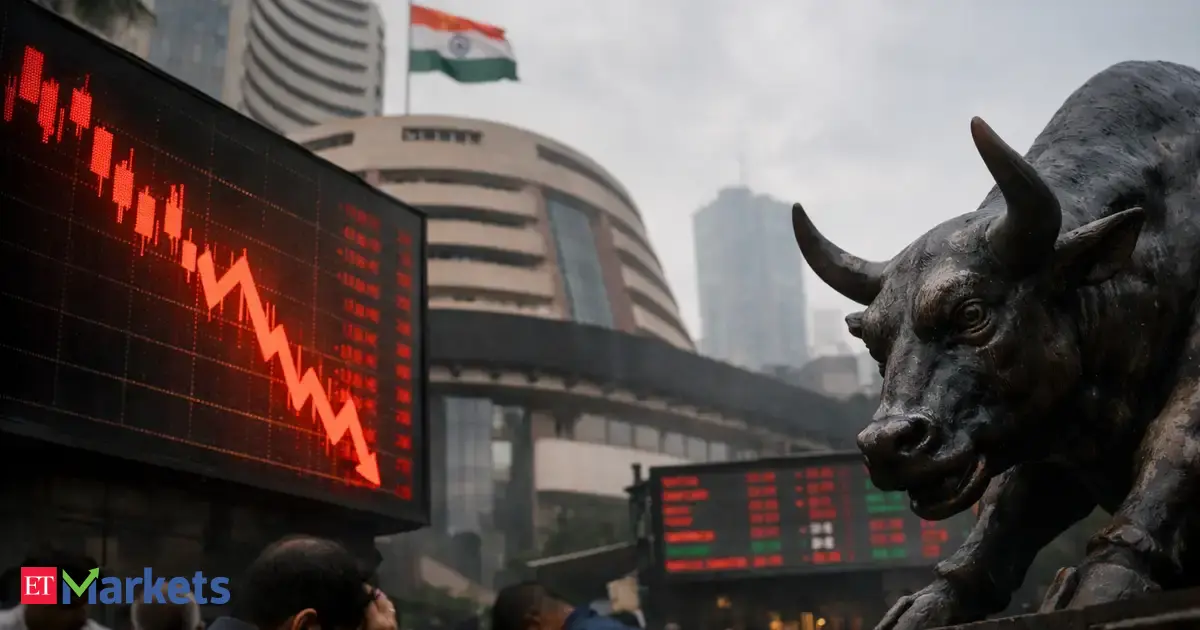
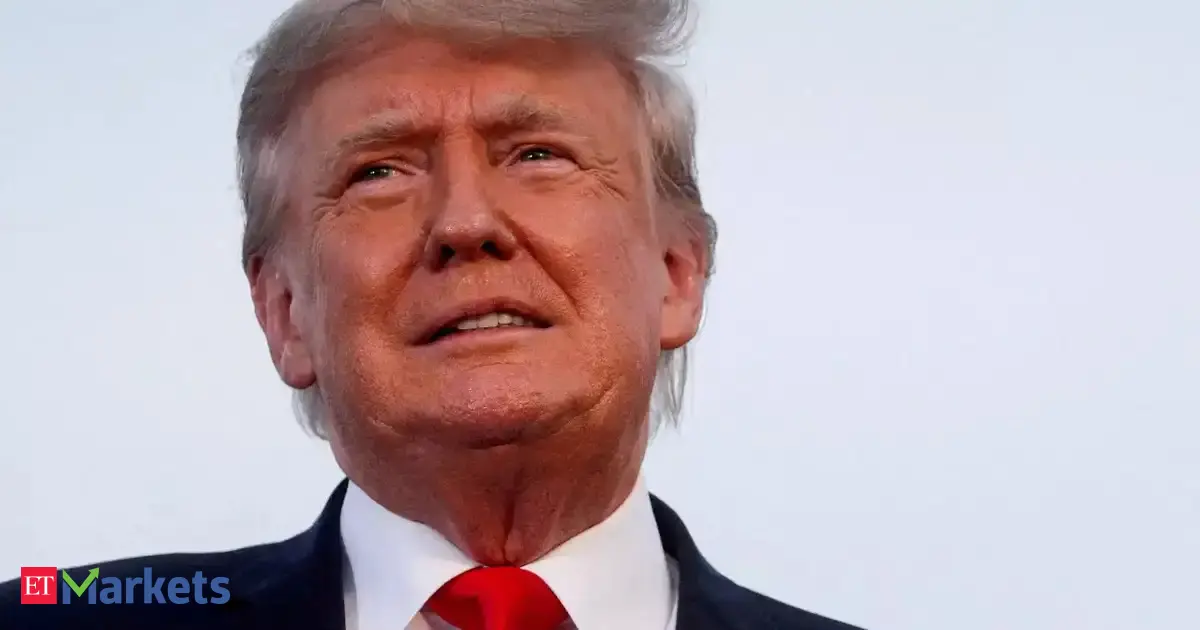
As the Indian stock market braces for Monday's opening, new volatility looms on the horizon following recent tariff announcements from U.S. President Donald Trump. The decision to increase temporary import duties from 10% to 15% on nearly all U.S. imports comes in the wake of a setback from the U.S. Supreme Court, igniting fresh concerns among investors and analysts alike.
Market Context and Reactions
The global financial landscape is already reeling from a series of trade tensions, and the latest tariff hike adds another layer of uncertainty. Historically, such decisions can lead to immediate market reactions, particularly in emerging markets like India, where dependencies on U.S. trade can significantly impact economic forecasts.
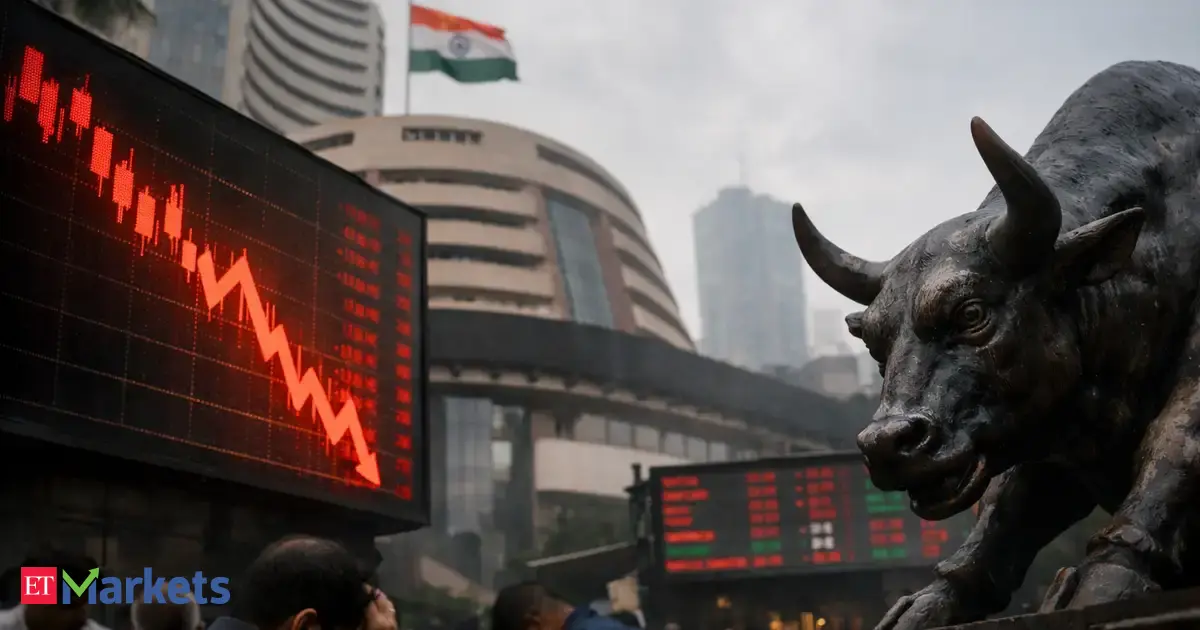
According to market analysts, the Indian equity markets may initially react with caution. The Sensex and Nifty indices are expected to experience fluctuations as investors assess the broader implications of these tariffs. While many market experts anticipate that the Indian markets might price in a level of continuity, the immediate aftermath of the tariff increase is likely to provoke volatility.
Expert Analysis: Volatility Ahead
Financial analysts suggest that while some sectors may benefit from protective measures, the overall sentiment remains bearish due to global supply chain disruptions. Tariffs imposed by the U.S. can lead to increased costs for Indian exporters, particularly in sectors such as textiles, automotive, and technology. These industries are heavily reliant on U.S. markets, and rising import duties can squeeze profit margins.
Furthermore, analysts warn that if the U.S. tariffs are perceived as a precursor to a broader trade war, it may cascade into reduced foreign direct investment (FDI) in India. A prolonged period of uncertainty can result in cautious capital flows, with investors potentially reallocating their portfolios to mitigate risk.
Key Takeaways for Investors
- Monitor Market Movements: Investors should closely observe market trends on Monday and be prepared for potential volatility as the implications of the tariff increase unfold.
- Diversify Investments: To shield against sudden market shifts, consider diversifying your investment portfolio across sectors that are less exposed to U.S. tariffs.
- Stay Informed: Keep abreast of developments in U.S.-India trade relations and related economic indicators to make informed investment decisions.
In conclusion, while the short-term outlook may appear uncertain, prudent investors will leverage this situation by focusing on long-term strategies and maintaining a diversified portfolio. The potential for increased tariffs and the resulting impact on various sectors provide both challenges and opportunities in navigating the current financial landscape.