Understanding Market Dynamics: A Reflection on Past Events
As we navigate through uncertain economic times, it is essential to reflect on historical events to better understand current market dynamics. February 2020 marked a pivotal moment when whispers of a novel virus began circulating, ultimately leading to a global pandemic that reshaped economies and financial markets. Many investors were initially oblivious to the looming crisis, focusing instead on rising stock prices and everyday life.
The Impact of Global Events on Financial Markets
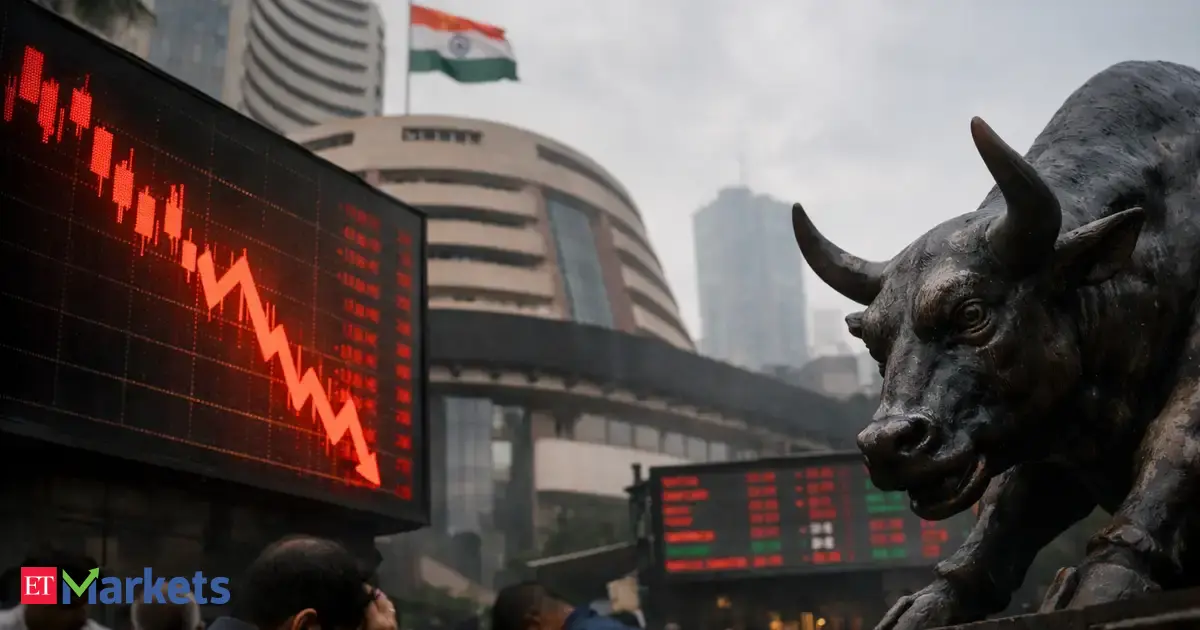
During that period, the stock market was at an all-time high, with indices like the S&P 500 reaching unprecedented levels. However, as the reality of the COVID-19 pandemic set in, the market experienced unprecedented volatility. The S&P 500 plummeted from a peak of 3,386.15 on February 19, 2020, to a low of 2,237.40 by March 23, 2020—a staggering drop of nearly 34%. This sharp decline highlighted how quickly investor sentiment can shift, especially in response to global crises.
Fast forward to 2026, and we find ourselves at another crossroads, where economic indicators and geopolitical tensions are prompting investors to reassess their strategies. With inflation rates rising and central banks tightening monetary policy, market participants are once again feeling the weight of uncertainty. The lessons from early 2020 are crucial as we face similar challenges today.
Analyzing Current Market Conditions
As of February 2026, several key factors are influencing market sentiment:
- Inflationary Pressures: Inflation rates have surged, reaching levels not seen since the early 1980s. This has led to concerns about the purchasing power of consumers and the overall health of the economy.
- Central Bank Policies: The Federal Reserve and other central banks are adjusting interest rates in an effort to combat inflation. These changes can significantly impact borrowing costs and investment strategies.
- Geopolitical Tensions: Ongoing geopolitical issues, particularly in Eastern Europe and Asia, continue to create uncertainty in global markets, affecting everything from energy prices to supply chain stability.
Amid these challenges, investors must remain vigilant and adaptable. Historical data suggests that markets tend to recover over time, but the path to recovery can be fraught with volatility. As we have seen in past crises, those who are prepared and informed can often capitalize on opportunities that arise from market dislocations.
What This Means for Investors
In light of current market conditions and historical precedents, here are a few practical takeaways for investors:
- Diversify Your Portfolio: A well-diversified portfolio can help mitigate risks associated with market volatility. Consider allocating assets across various sectors, including defensive stocks, commodities, and bonds.
- Stay Informed: Keep abreast of economic indicators, central bank announcements, and geopolitical developments. Knowledge is power, especially in uncertain times.
- Consider Long-Term Trends: While short-term market fluctuations can be alarming, it's important to focus on long-term investment goals. Historical trends indicate that markets tend to recover from downturns, albeit with some interim volatility.
In conclusion, as we reflect on past crises like the one initiated in February 2020, it is clear that the lessons learned are invaluable. Investors must remain vigilant, adaptable, and informed as they navigate the complexities of today's financial landscape.