Market Response to AI Fears
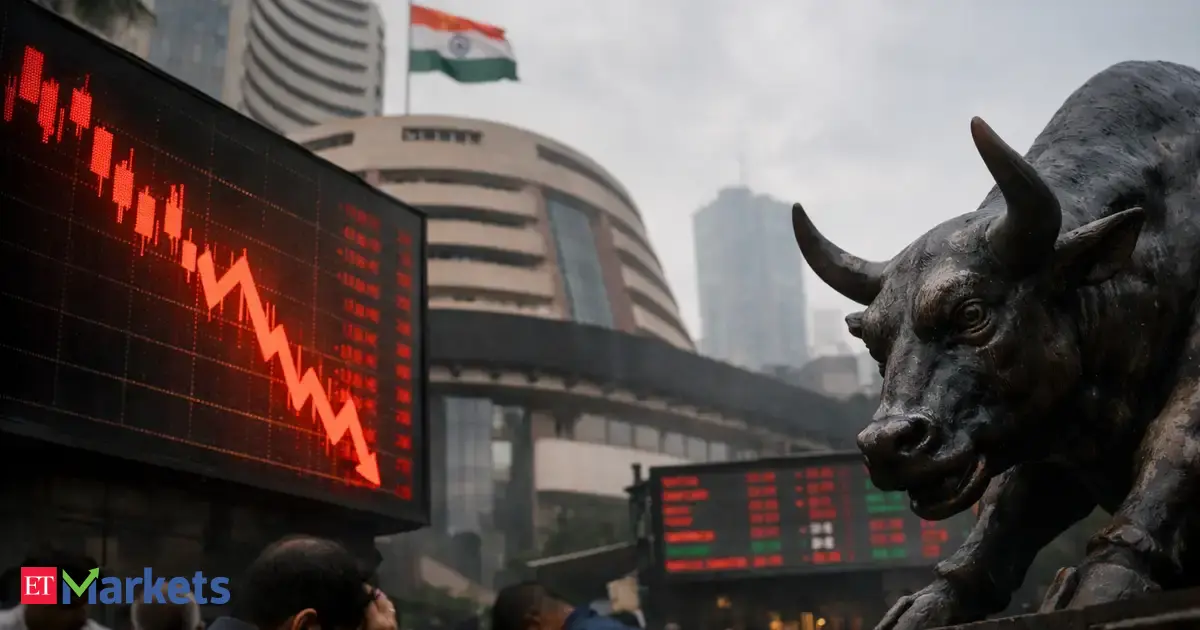
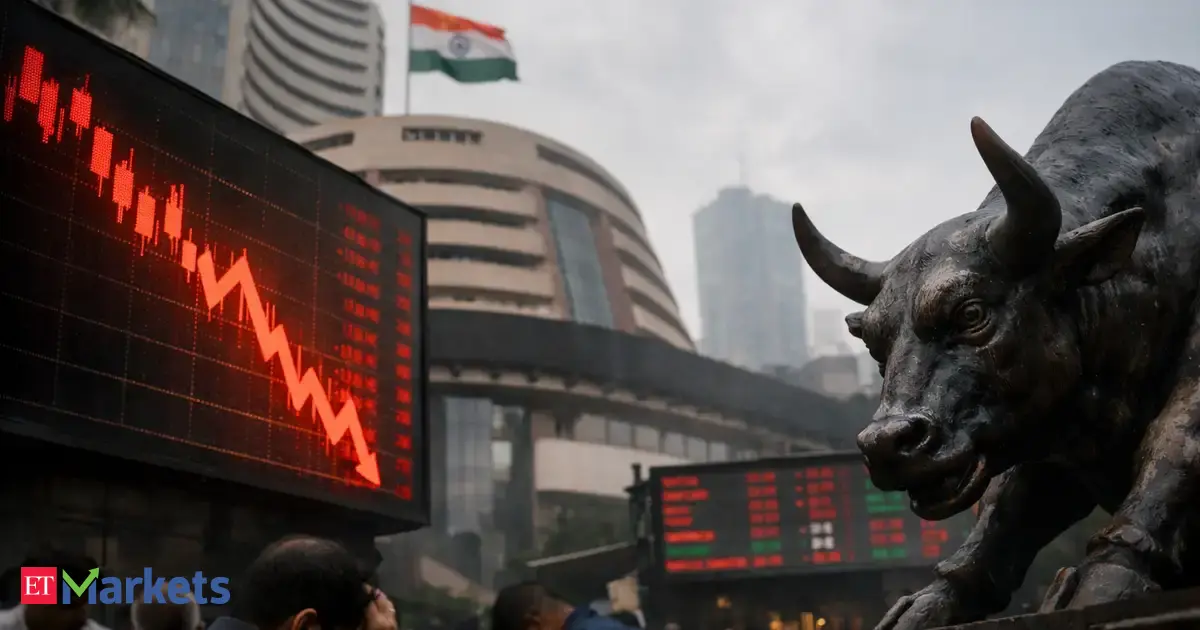
In a recent commentary, CNBC's Jim Cramer expressed serious concerns over the stock market's stability, attributing the recent selloff to heightened fears surrounding artificial intelligence (AI). The S&P 500 and Nasdaq indexes have both experienced significant declines, prompting investors to reassess their positions amidst these emerging anxieties. With the rapid advancement of AI technologies, there is a growing apprehension that these innovations could disrupt labor markets and lead to substantial economic challenges.
The Economic Implications of AI
New research suggests that the AI boom, while promising increased productivity, could also result in higher unemployment rates, potentially reaching as high as 10%. This projection is particularly alarming given that many sectors are already grappling with labor shortages. The fear is that as companies increasingly adopt AI solutions, they may reduce their workforce, leading to significant job losses and a weakened consumer spending base.
According to analysts, while AI can enhance efficiencies and drive growth in certain industries, it also poses a risk of exacerbating economic inequality. The disparity between skilled and unskilled workers could widen, as those equipped with the necessary tech skills thrive, while others may find themselves displaced. This shift could generate broader social implications, influencing everything from consumer behavior to political landscapes.
Investor Considerations and Market Strategies
For investors, the current market environment underscores the importance of a diversified portfolio. With volatility expected to persist as AI developments unfold, it may be prudent to consider sectors that are less susceptible to automation. Industries such as healthcare, education, and certain service sectors could offer relative stability as they are less likely to be fully automated in the near term.
Furthermore, investors should remain vigilant about the companies they support. Firms that are proactively addressing the challenges posed by AI—such as investing in employee retraining programs or fostering inclusive growth strategies—may present more resilient investment opportunities. Engaging with companies that prioritize adaptation and social responsibility can be a critical strategy in navigating these uncertain times.
Key Takeaways
- Market Sensitivity: The stock market is currently fragile due to fears surrounding AI advancements.
- Unemployment Risks: AI could potentially increase unemployment rates, impacting consumer spending.
- Investment Strategy: Diversification and focus on resilient sectors are crucial for navigating this volatility.
As we move forward, it will be essential for both investors and policymakers to monitor the developments in AI closely. Understanding the dual-edged nature of these technologies will be key in crafting strategies that not only protect investments but also promote economic stability.