Understanding the Current Economic Climate
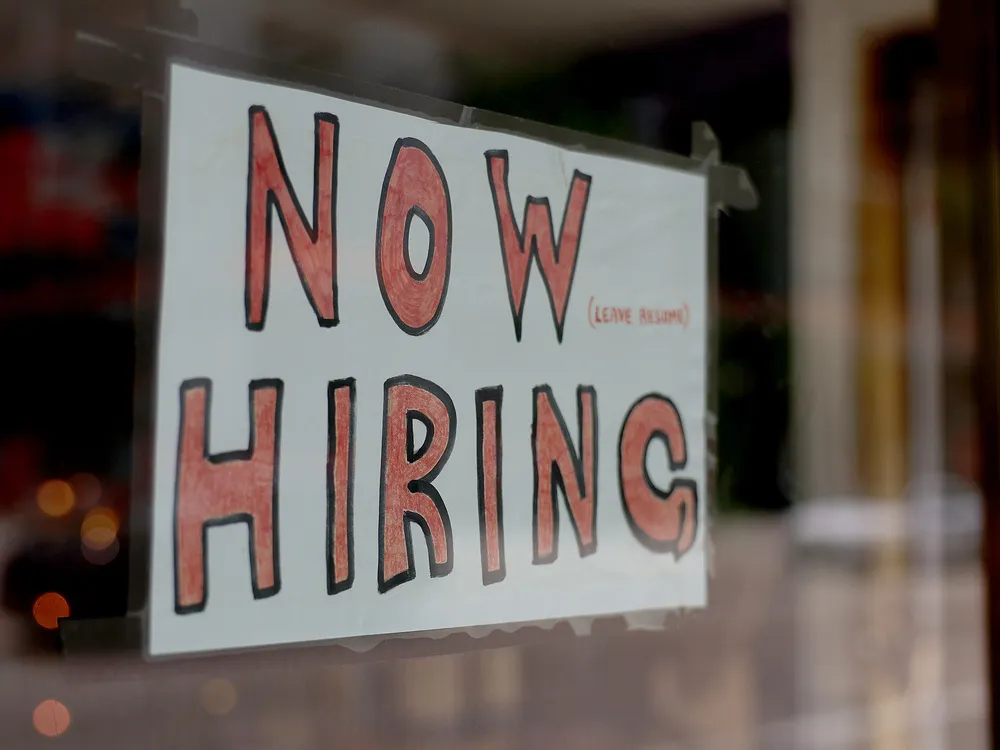
The U.S. economy is poised for notable growth, with forecasts indicating a 2.7% increase in GDP for 2025. However, this expansion comes amid a perplexing phenomenon: employment growth remains stagnant. This peculiar scenario, often referred to as a ‘jobless boom’, raises questions about the sustainability of this economic trajectory.
Historical Context: Lessons from the Early 2000s
Michael Pearce, chief U.S. economist at Oxford Economics, has drawn parallels between today’s economic conditions and the early 2000s, a period marked by a jobless recovery. During that time, the economy expanded, yet many were left without employment opportunities. The current situation reflects similar dynamics, as technological advancements and shifts in labor demand continue to reshape the job market.
The advent of automation and digitalization has led to increased productivity in many sectors. While businesses are thriving and profits are rising, the benefits are not being translated into job creation. This raises critical concerns about income inequality and the long-term viability of economic growth without corresponding employment gains.
Market Reactions and Implications for Investors
Market analysts are closely monitoring these developments, as the implications for investors are vast. A growing economy paired with stagnant employment could lead to volatility in consumer spending, which is a crucial driver of economic growth. As households grapple with financial uncertainty, discretionary spending may decline, impacting sectors reliant on consumer expenditure.
- Sector Performance: Industries that rely heavily on consumer confidence, such as retail and hospitality, may face challenges if job growth does not materialize.
- Investment Strategies: Investors may want to consider sectors that thrive in high productivity environments, such as technology and healthcare, which may benefit from ongoing innovation.
- Monitoring Indicators: Keep an eye on labor market indicators and consumer sentiment surveys, as these will provide insights into economic health and potential shifts in market dynamics.
Key Takeaways
The unfolding scenario of a jobless boom presents unique challenges and opportunities for investors. Understanding the nuances of this economic landscape is crucial for making informed investment decisions. Here are the key takeaways:
- The projected GDP growth of 2.7% in 2025 suggests a robust economy, yet the lack of job growth can lead to consumer spending constraints.
- Investors should focus on sectors that can adapt to changing economic conditions, particularly those leveraging technology to enhance productivity.
- Continually assess the labor market and consumer sentiment to gauge the potential impact on investment portfolios.
As we navigate this unprecedented economic expansion devoid of job growth, staying informed and adaptable will be paramount for investors looking to thrive in an evolving landscape.