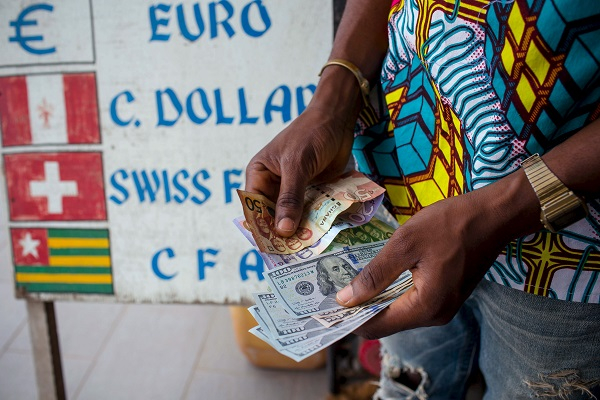
Introduction to BoG's New Forex Guidelines
In a proactive response to the ongoing fluctuations in the foreign exchange market, the Bank of Ghana (BoG) has rolled out new regulations aimed at stabilizing the currency environment. These measures are designed to provide a structured approach to foreign exchange interventions, thereby helping to maintain a stable and predictable exchange rate band.
Understanding the Need for Intervention
The foreign exchange market has experienced considerable volatility in recent times, exacerbated by various factors including global economic conditions, inflationary pressures, and geopolitical tensions. As the Ghanaian economy is significantly influenced by these external variables, the BoG's decision to intervene is both timely and necessary.
Volatility in exchange rates can have serious implications for trade, investment, and overall economic stability. By introducing these new guidelines, the BoG aims to mitigate risks associated with sudden currency fluctuations, ensuring that the Ghanaian cedi remains competitive while also protecting importers and exporters from unpredictable costs.
Key Features of the New Guidelines
- Targeted Exchange Rate Band: The BoG has established a clear target for the exchange rate, enabling market participants to adjust their expectations and strategies accordingly.
- Regular Interventions: The central bank plans to conduct regular interventions in the forex market, which could involve direct buying or selling of foreign currency based on market conditions.
- Enhanced Transparency: There will be increased transparency in the BoG's forex operations, allowing stakeholders to better understand the factors influencing currency movements.
- Monitoring and Reporting: The BoG will implement robust monitoring systems to assess the effectiveness of its interventions and make necessary adjustments to its strategies.
Market Context and Implications
In recent months, the Ghanaian cedi has faced depreciation pressures due to rising import costs and a widening trade deficit. The new guidelines from the BoG are expected to provide a framework within which the cedi can stabilize, thereby enhancing confidence among both domestic and foreign investors.
Experts believe that a more predictable forex environment could stimulate investment inflows, as businesses and investors often shy away from markets characterized by high volatility. Enhanced forex stability could also lead to lower inflation rates, as imported goods become less subject to price fluctuations caused by erratic currency movements.
What This Means for Investors
For investors, the BoG's new measures signify a commitment to maintaining economic stability. Here are some practical takeaways:
- Informed Decision-Making: Investors should closely monitor the BoG's interventions and the resulting market responses to make informed investment decisions.
- Diversification: Given potential ongoing volatility, it may be prudent for investors to diversify their portfolios to hedge against currency risks.
- Long-Term Strategies: Investors should consider adopting long-term strategies that account for the potential benefits of a more stable forex environment.
Conclusion
The Bank of Ghana’s new forex guidelines mark a significant step towards managing currency volatility in the nation. By establishing a clear framework for intervention, the BoG aims to foster a stable economic climate conducive to growth and investment. As these measures take effect, stakeholders will be watching closely to gauge their impact on the market and the broader economy.