Understanding Market Resilience and Investor Behavior
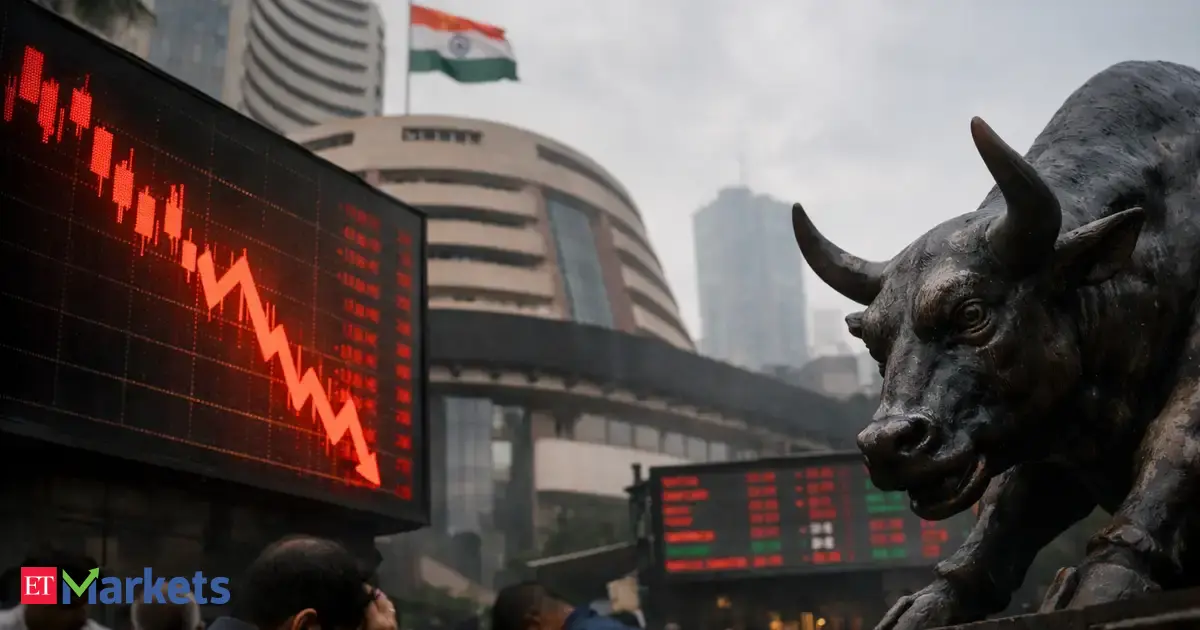
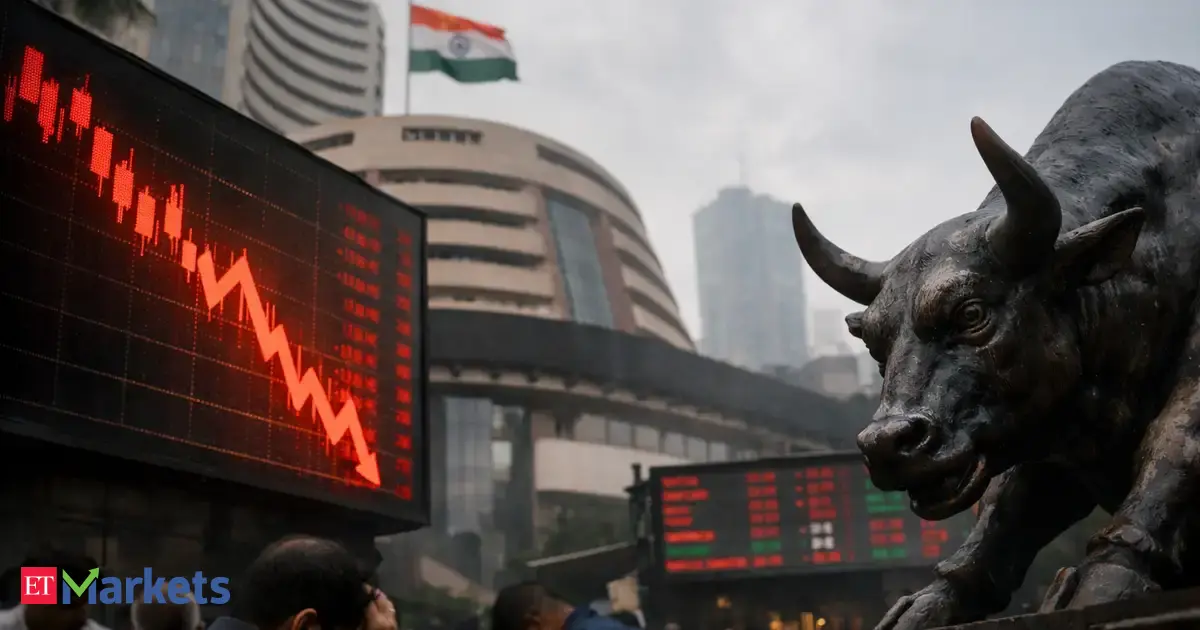
For over a decade, the financial markets have displayed an unprecedented resilience, rewarding investors who have adopted a buy-and-hold strategy. Dips in the market have often been perceived as temporary setbacks, and significant selloffs have been viewed as opportunities to acquire assets at a discount. However, a seasoned investor recently cautioned that many of today's newer investors have never experienced a genuine market crash, a scenario where their conviction and strategies will be truly tested.
The Historical Context of Market Crashes
Market crashes, characterized by abrupt declines in stock prices, can lead to significant financial losses and emotional turmoil. Historically, events such as the 2008 financial crisis and the dot-com bubble burst in the early 2000s have drastically reshaped investor sentiment. During these periods, investors were faced with harsh realities that challenged their strategies and beliefs about market performance.
According to data from the S&P 500, the index fell approximately 57% from its peak in 2007 to its trough in 2009, demonstrating the severity of a true market downturn. In contrast, the recent market environment has been largely bullish, with the S&P 500 posting consistent gains over the past decade, leading many new investors to develop a false sense of security.
The Current Market Landscape
As of October 2023, the market is witnessing increased volatility, influenced by factors such as rising interest rates, inflationary pressures, and geopolitical tensions. These elements have contributed to a more unpredictable environment for investors. For instance, the Federal Reserve's recent decision to raise interest rates has sparked fears of a potential economic slowdown, which could lead to a market correction.
Moreover, the implications of a slowing economy could be substantial. Analysts suggest that if inflation continues to rise, consumer spending may decline, negatively impacting corporate earnings and stock prices. This could serve as a wake-up call for new investors who have not yet encountered a significant downturn.
What This Means for Investors
- Diversification is Key: Investors should prioritize diversification across various asset classes to mitigate risks associated with market volatility.
- Stay Informed: Keeping abreast of economic indicators, interest rates, and market trends is essential for making informed investment decisions.
- Prepare for Volatility: Investors should mentally and financially prepare for potential downturns, understanding that market cycles are inevitable.
In conclusion, while the current market conditions may appear favorable to many new investors, the insights of seasoned investors remind us of the importance of being prepared for the unexpected. Embracing a long-term investment mindset and understanding the historical context of market behavior can empower investors to navigate future challenges effectively.
Key Takeaways
- The market has rewarded a buy-and-hold strategy for over a decade.
- New investors may lack experience in navigating true market crashes.
- Current economic factors create a more volatile market landscape.
- Diversification and staying informed are crucial for investment success.