Nikkei Index Faces Decline Amid Global Uncertainty
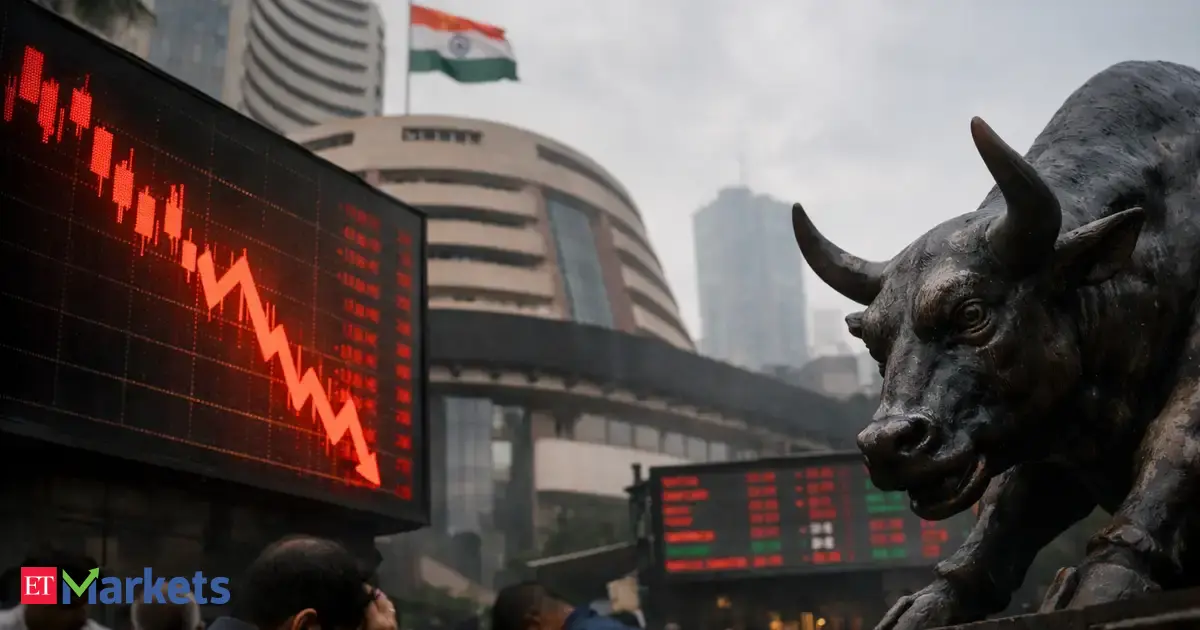
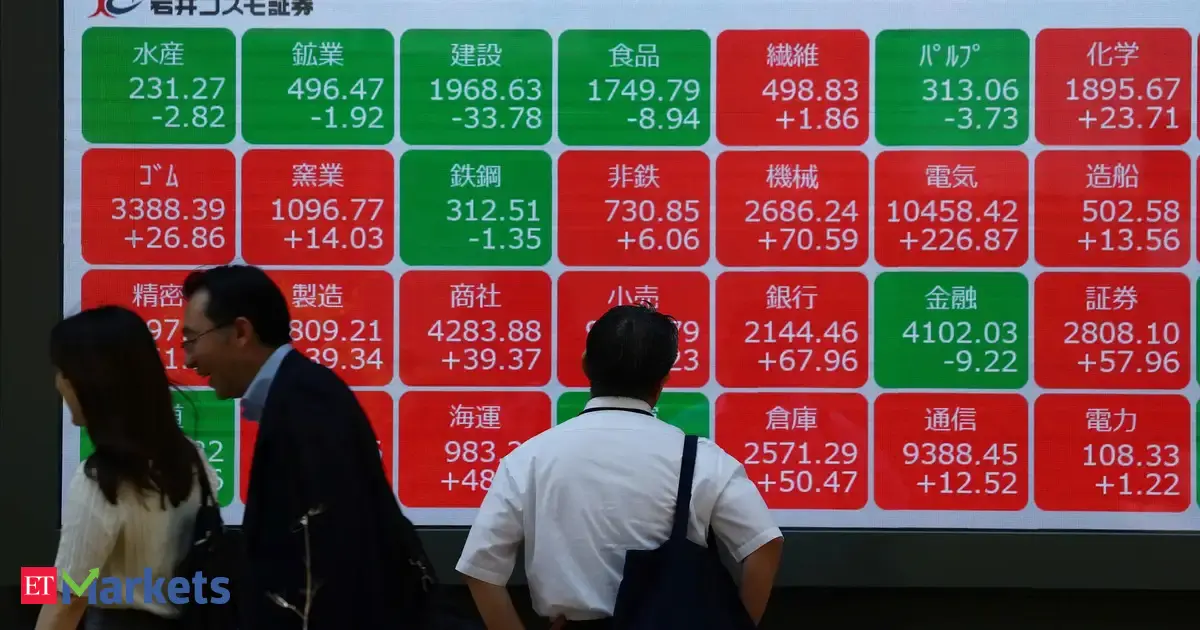
On Friday, Japan's Nikkei share average registered a significant decline, closing down 1.1% at 56,825.70. This drop marked a crucial shift as investors reacted to escalating tensions between the United States and Iran, compounded by a notable sell-off in U.S. private equity shares. The implications of these events are reverberating through global markets, prompting investors to reassess their strategies amid increasing volatility.
Geopolitical Tensions Impact Market Sentiment
The recent spike in tensions between the U.S. and Iran has raised alarm bells across financial markets worldwide. Analysts attribute the Nikkei's decline to these geopolitical factors, which have historically proven to unsettle investor confidence. The ongoing concerns surrounding military engagements and potential sanctions can lead to a ripple effect, influencing not just regional markets, but also global trading conditions.
Furthermore, the sell-off in private equity shares in the U.S. has added to the bearish sentiment. As investors react to fears of a slowdown in private equity performance, particularly in light of rising interest rates and tightening capital, the implications for investment strategies are becoming more pronounced. The interconnectedness of global markets means that economic indicators and sentiments in one region can heavily impact others.
Market Context and Data Analysis
With the Nikkei’s recent decline, it is important to consider the broader market context. Japan’s economy, which is heavily reliant on exports, is particularly vulnerable to international tensions. The Nikkei has seen fluctuations in recent months, influenced by various factors including currency fluctuations, trade policies, and domestic economic performance.
Investors have been closely monitoring key economic indicators, such as GDP growth rates and consumer sentiment indexes, which play a critical role in shaping market expectations. The recent downturn serves as a reminder of the volatility that can arise from external geopolitical factors. In the short term, the market may continue to experience turbulence as investors weigh these risks against potential opportunities.
What This Means for Investors
Given the current market conditions, investors should remain vigilant and consider diversifying their portfolios to mitigate risks associated with geopolitical uncertainties. Here are some practical takeaways:
- Diversification: Investors should consider diversifying their holdings across various sectors and geographies to reduce exposure to any single market's volatility.
- Stay Informed: Keeping abreast of geopolitical developments and economic indicators can provide valuable insights that guide investment decisions.
- Risk Management: Utilizing hedging strategies or defensive stocks may help to cushion portfolios against potential downturns stemming from geopolitical tensions.
In conclusion, the recent decline in Japan's Nikkei index reflects the broader anxieties stemming from U.S.-Iran tensions and market reactions to private equity performance. As investors navigate this complex landscape, a strategic approach that balances risk with potential growth opportunities will be essential.