Introduction: A Pledge for Economic Stability
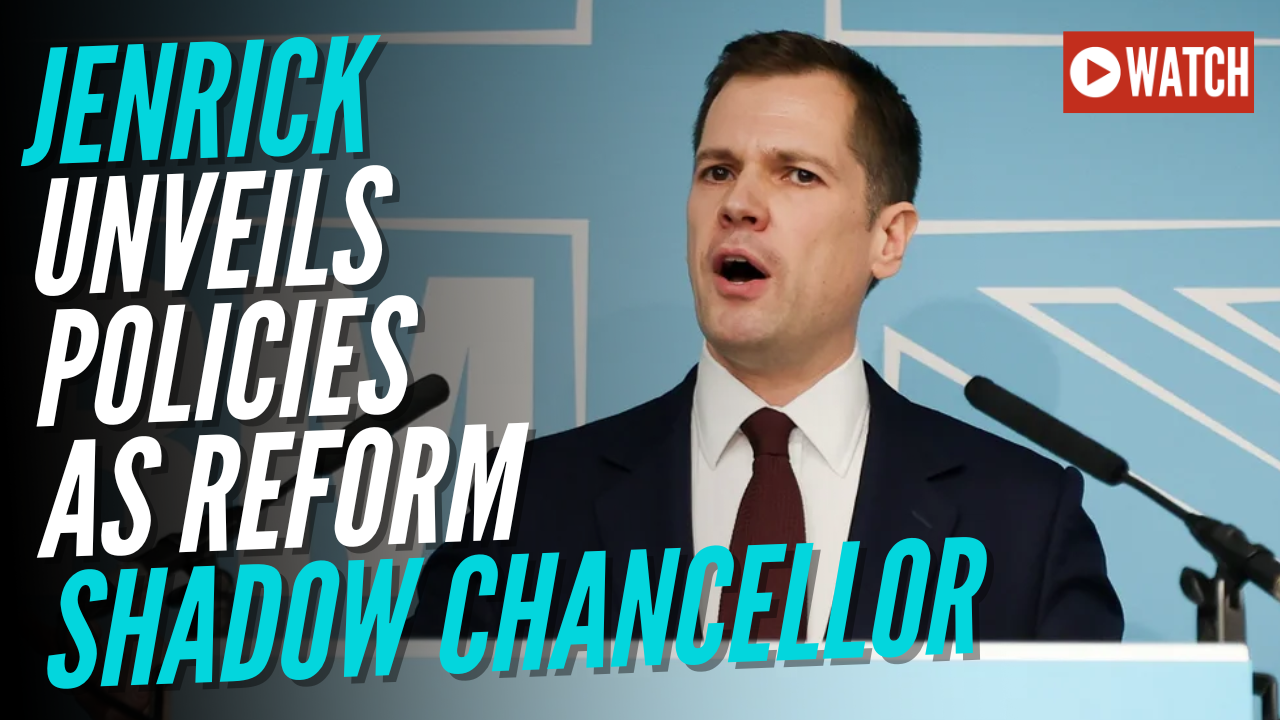
This morning, in a significant address in the City, Robert Jenrick, Shadow Chancellor of the Reform party, outlined his vision for the UK's fiscal governance. His promise to uphold the autonomy of the Office of Budget Responsibility (OBR) and the Bank of England is aimed at reassuring investors and the public amid growing economic uncertainties.
Continuity and Reform: Balancing Tradition with Change
Jenrick emphasized that while the OBR and the Bank of England will remain intact under a Reform government, both institutions are due for critical reforms. The OBR, established in 2010, has played a crucial role in providing independent economic forecasts and analysis, which are vital for informed government decision-making. Jenrick's commitment to retain this body signals a recognition of its importance while also acknowledging the need for adaptation to current economic challenges.
The Bank of England, famed for its independence in setting monetary policy, will also see reforms under Jenrick's plans. This is particularly crucial given the recent economic landscape marked by inflationary pressures, which have seen the Bank undertake aggressive interest rate hikes. Such measures are designed to stabilize the economy but have raised concerns about potential impacts on growth.
Market Context: Navigating Economic Challenges
The UK economy is currently navigating a complex landscape characterized by high inflation rates, fluctuating consumer confidence, and potential recession risks. As of the latest data, inflation remains above the Bank of England's target, prompting ongoing debates about monetary policy approaches. Jenrick's assertions come as a reassurance to investors who are keenly observing the government's stance on economic management.
In recent months, the Bank of England has raised interest rates multiple times, with the current base rate hovering around 5.25%. This has impacted mortgage borrowers and businesses relying on loans, leading to heightened discussions regarding the balance between controlling inflation and fostering economic growth.
Jenrick's approach aims to provide a stable policy environment that encourages investment while addressing inflationary concerns. By focusing on reform rather than radical change, he hopes to maintain investor confidence, a critical factor in the UK's economic recovery.
What This Means for Investors
For investors, Jenrick’s commitment to maintaining the OBR and the independence of the Bank of England is a signal of continuity in fiscal policy, which can be a stabilizing factor in uncertain markets. Here are some practical takeaways:
- Monitor Economic Indicators: Keep an eye on inflation rates and interest rate decisions from the Bank of England, as these will directly affect market conditions.
- Evaluate Government Policy Changes: Stay informed about any reforms proposed by the Reform party, as they may signal shifts in economic strategy with potential investment implications.
- Consider Defensive Investments: Given the current economic climate, consider defensive sectors such as utilities and consumer staples, which tend to perform better during periods of economic uncertainty.
As the political landscape evolves, the assurance of a stable and independent economic framework can provide a foundation for a more resilient investment strategy.
Conclusion: A Call for Confidence
In his address, Robert Jenrick has positioned the Reform party as a stabilizing force in an unpredictable economic environment. His commitment to uphold the independence of key financial institutions while advocating for necessary reforms is aimed at fostering investor confidence and economic stability. As we move forward, the effectiveness of these pledges will be closely monitored by both the market and the public.