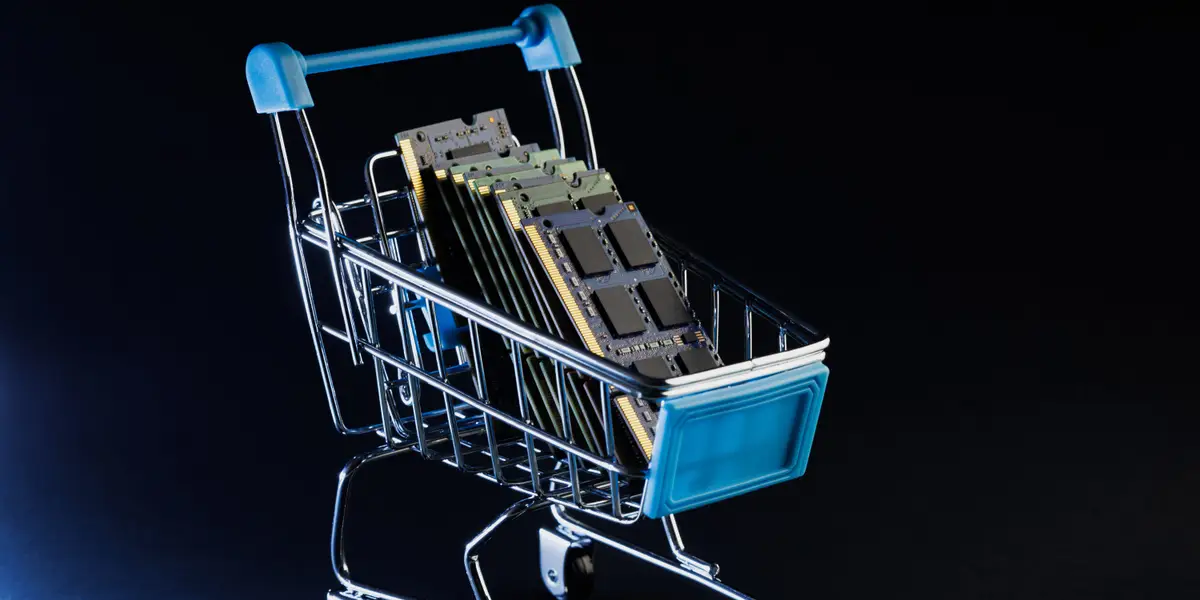
The Impact of AI on Memory Chip Demand
In recent months, the technology landscape has witnessed a seismic shift with artificial intelligence (AI) companies increasingly vying for memory chips. This high demand is creating a notable shortage, significantly impacting consumer electronics manufacturers like Dell and HP. As a result, consumers can expect to see higher prices for laptops and other devices that rely heavily on these essential components.
Memory chips, which include DRAM and NAND flash, are critical for the performance of modern computers and smartphones. Recent reports indicate that prices for these chips have surged, driven primarily by the needs of AI applications that require substantial data processing capabilities. In fact, forecasts suggest that the demand for memory chips will continue to rise as AI technologies evolve and proliferate.
Consumer Electronics Manufacturers React
In response to the increasing costs of memory chips, companies such as Dell and HP have begun adjusting their pricing strategies. These manufacturers are passing on the higher costs to consumers, resulting in a noticeable uptick in laptop prices. Industry analysts predict that this trend will continue, especially as the holiday season approaches, traditionally a peak time for consumer electronics sales.
- Price Increases: Some laptops have seen price hikes of up to 15%, reflecting the increased costs of production.
- Market Predictions: Analysts expect that the memory shortage may last well into 2024, potentially leading to sustained higher prices.
- Market Players: Major players in the memory chip market, including Samsung and Micron, are ramping up production to meet demand, but the supply chain remains strained.
The implications of this memory shortage extend beyond immediate price increases. As technology continues to advance, the demand for enhanced processing capabilities will likely keep memory chips in high demand, leading to potential long-term price stability at elevated levels.
What This Means for Investors
For investors, the ongoing memory chip shortage presents both challenges and opportunities. Companies that produce memory chips are likely to see increased revenue as prices rise, making them potentially attractive investments. However, consumer electronics firms may face margin compression if they cannot pass on costs effectively.
Investors should closely monitor the actions of major semiconductor manufacturers and consumer electronics companies. Additionally, keeping an eye on AI developments can provide insights into future demand trends for memory products. As AI continues to penetrate various sectors, firms positioned within this technology landscape could experience significant growth.
Key Takeaways
- The rising demand for memory chips driven by AI applications is causing prices to increase.
- Consumer electronics companies are raising prices, impacting consumers directly.
- Investors should consider opportunities in semiconductor firms while being cautious about consumer electronics manufacturers' potential margin pressures.