South Korean Market Soars Post-Holiday
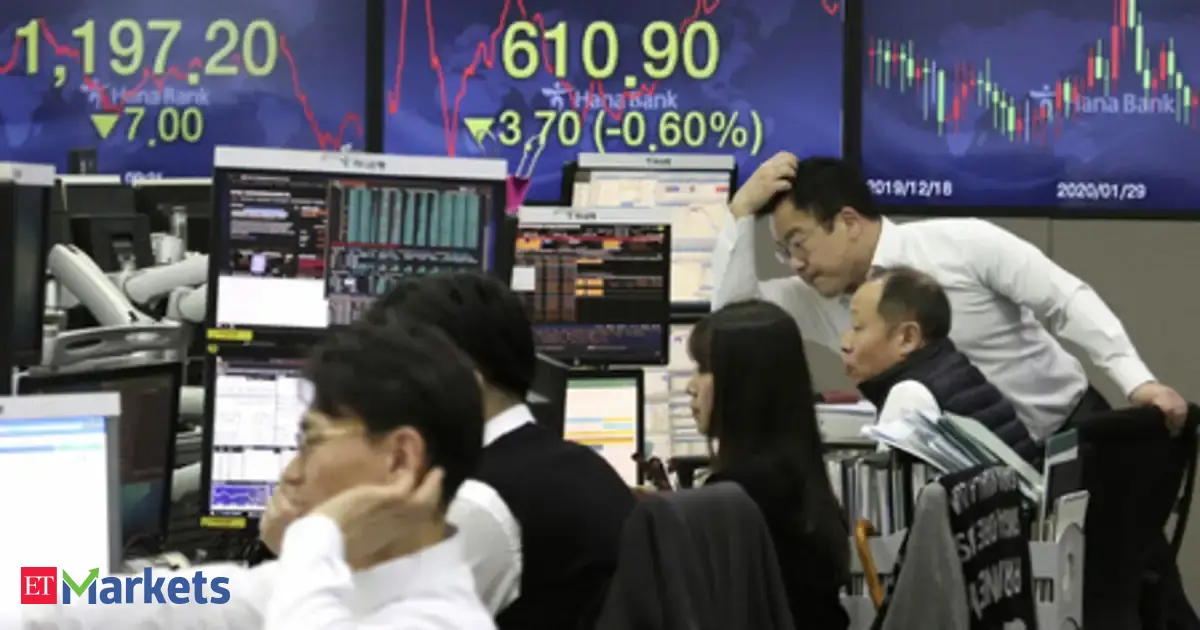
In a remarkable turn of events, South Korean shares have surged to a historic peak following a three-day trading hiatus. The benchmark KOSPI index closed up an impressive 3.09%, reflecting a robust recovery driven by a rebound in technology stocks on Wall Street. This significant uptick highlights the resilience of the South Korean market in the face of global economic uncertainties.
Key Drivers Behind the Surge
The surge in the KOSPI was largely propelled by major players in the technology and automotive sectors. Companies such as Samsung Electronics and Hyundai Motor showcased substantial gains, contributing to the overall positive sentiment in the market. Investors were buoyed by strong earnings reports and optimistic forecasts from these sectors, which are vital components of the South Korean economy.
Moreover, the rebound observed in U.S. tech stocks, following a period of volatility, played a crucial role in lifting investor confidence in South Korea. As global markets reacted positively to the tech sector's resurgence, South Korean investors capitalized on this momentum, leading to increased buying activity across the board.
Market Implications and Currency Trends
Despite the soaring stock prices, the South Korean won experienced a dip against the U.S. dollar, reflecting ongoing concerns regarding inflation and interest rates. The weakening of the won can be attributed to a combination of local economic indicators and external pressures, including the Federal Reserve's monetary policy outlook.
Additionally, benchmark bond yields have shown fluctuations, indicating a complex interplay between investor sentiment and economic fundamentals. As the bond market reacts to rising stock prices, investors should remain vigilant about potential shifts in monetary policy that could impact both currency values and equity markets.
What This Means for Investors
For investors, the recent performance of the KOSPI provides several insights:
- Diversification: With the tech sector showcasing strong growth, investors may want to consider increasing their exposure to technology and automotive stocks, which have demonstrated resilience and potential for further gains.
- Currency Watch: Investors should monitor the fluctuations of the won against major currencies, particularly the dollar, as currency volatility could impact international investments and returns.
- Interest Rate Awareness: Keeping an eye on bond yields and central bank policies can help investors make informed decisions, especially in a climate of rising interest rates.
In conclusion, while the record high of the KOSPI signals a bullish trend in the South Korean market, investors are advised to remain cautious and informed. The interplay between stock performance, currency valuation, and interest rates will be critical in shaping the investment landscape moving forward.