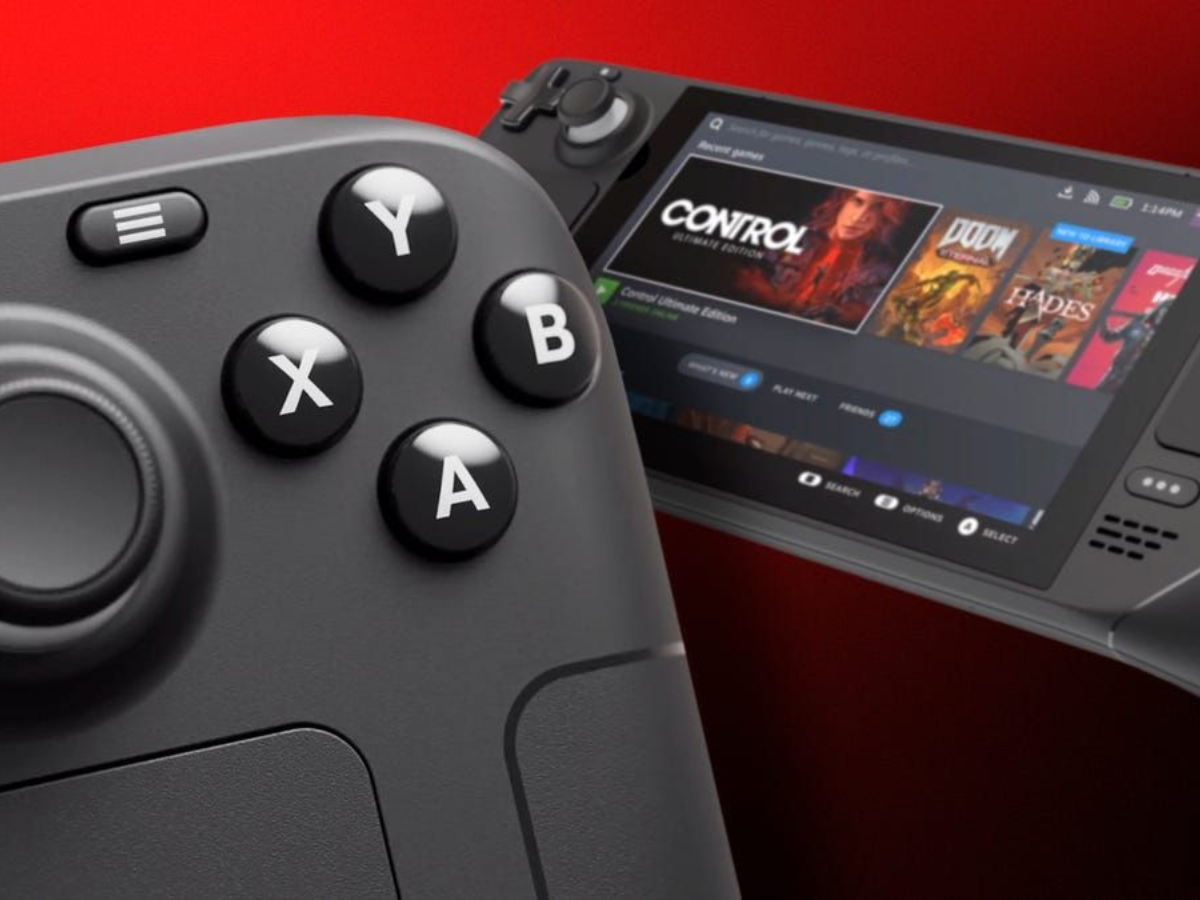
Valve's Steam Deck Faces Supply Challenges
In a significant development for the gaming industry, Valve has officially confirmed that its highly anticipated portable gaming device, the Steam Deck, is sold out across its U.S. storefront. This announcement underscores the persistent supply chain issues that have plagued the tech sector, particularly those related to memory and storage components.
The Steam Deck, which allows users to play PC games on the go, has generated considerable excitement since its initial announcement. However, the ongoing shortages in essential components have hindered Valve's ability to meet consumer demand. As of now, all models of the Steam Deck are marked as out of stock, leaving many potential buyers disappointed.
Understanding the Market Dynamics
The shortage of the Steam Deck is not an isolated incident. The global semiconductor crisis has affected various industries, from automotive to consumer electronics, creating a ripple effect across the market. According to recent reports, memory chips and storage solutions have seen significant price increases, which in turn has impacted production timelines for many tech companies, including Valve.
Market analysts note that this situation highlights a broader issue within the gaming hardware sector. With the rise of remote work and increased leisure time during the pandemic, the demand for gaming equipment has surged. The Steam Deck's unique proposition of combining portable gaming with the power of a PC has further fueled interest, driving sales even in the face of production challenges.
Implications for Investors and Consumers
For investors, the Steam Deck's current sold-out status presents both challenges and opportunities. Here are a few key takeaways:
- Market Demand: The high demand for the Steam Deck indicates a robust consumer interest in portable gaming solutions, which could lead to potential growth for Valve in the long term.
- Supply Chain Awareness: Investors should remain vigilant regarding ongoing supply chain issues affecting the tech industry. Companies that can navigate these challenges may emerge as strong performers.
- Future Releases: As Valve works to increase production capabilities, the eventual restocking of the Steam Deck may present a lucrative opportunity for investors, particularly if the device continues to gain traction among gamers.
Moreover, consumers who are currently unable to purchase a Steam Deck should consider alternative gaming solutions or monitor the market for future releases. Staying informed about product restocks and potential new features could be beneficial for avid gamers.
In conclusion, while the sold-out status of the Steam Deck reflects current market challenges, it also points to a vibrant interest in gaming hardware. Valve's ability to address supply chain hurdles will be crucial in maintaining momentum in this competitive landscape.