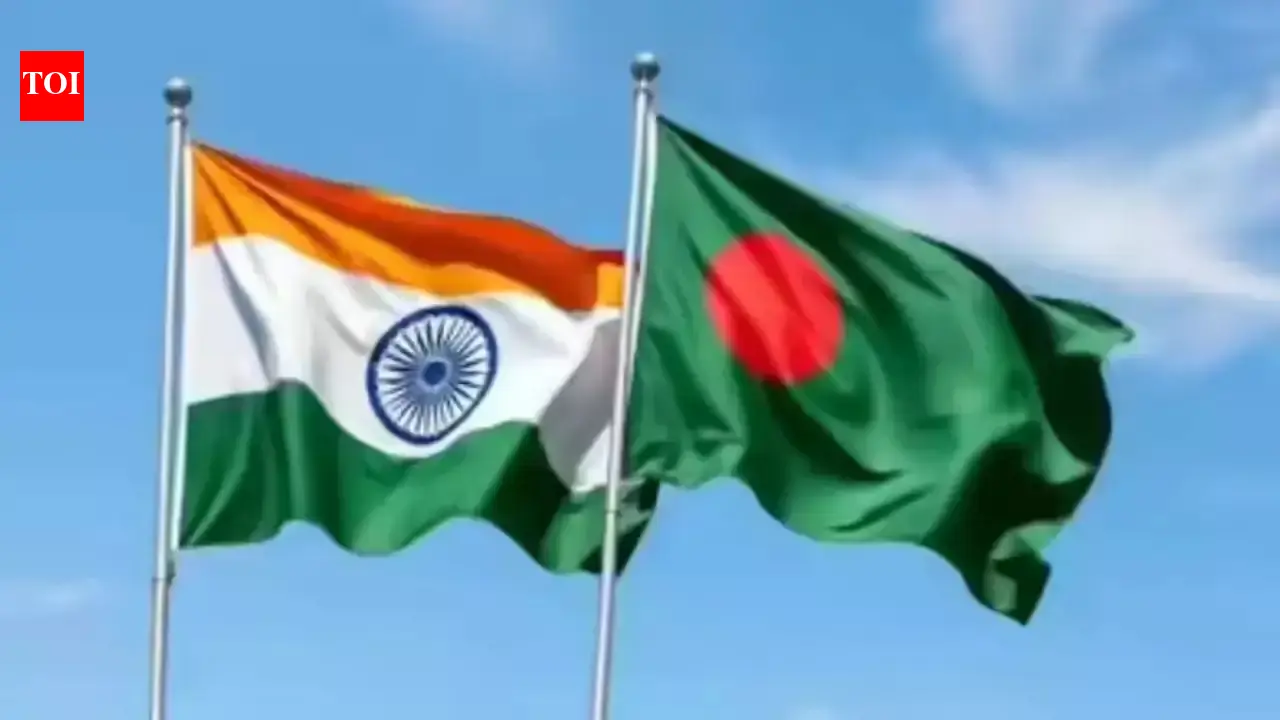
India's Commitment to Strengthening Ties with Bangladesh
In a significant diplomatic gesture, India has expressed its intention to foster a more people-centric relationship with Bangladesh, signaling a positive shift in bilateral ties under the new government. This diplomatic message was articulated by Indian High Commissioner Pranay Verma during a recent meeting with Bangladesh's foreign ministry.
Context of India-Bangladesh Relations
The relationship between India and Bangladesh has evolved considerably since the latter's independence in 1971, with both nations sharing deep historical, cultural, and economic ties. Recently, the dynamics of this relationship have changed, especially in light of Bangladesh's growing geopolitical significance in South Asia.
The Indian government recognizes the potential for mutual growth through enhanced cooperation in various sectors, including trade, technology, and cultural exchanges. The emphasis on a people-centric approach aims to deepen the connections between the citizens of the two nations, potentially leading to increased tourism, educational exchanges, and collaborative initiatives in various fields.
Market Context and Economic Implications
From an economic standpoint, strengthening ties with Bangladesh could open up new avenues for Indian businesses. According to recent data from the Ministry of Commerce and Industry, bilateral trade between India and Bangladesh has been on an upward trajectory, reaching approximately $10 billion in the last fiscal year. This growth is indicative of the potential for further expansion, especially in sectors such as textiles, pharmaceuticals, and IT services.
Furthermore, Bangladesh's strategic location as a gateway to Southeast Asia presents an opportunity for Indian investors looking to expand their footprint in the region. As the new government in Bangladesh focuses on development and infrastructure, Indian companies could play a pivotal role in various projects, thereby enhancing economic interdependence between the two nations.
Expert Analysis and Insights
Analysts suggest that a people-centric approach can significantly enhance diplomatic relations and economic collaborations. Dr. Radhika Sharma, a noted geopolitical analyst, states, "By focusing on people-to-people connections, both countries can build trust and facilitate smoother trade relations, ultimately benefiting their economies. This is especially crucial as both nations navigate the complexities of regional geopolitics."
Additionally, fostering educational and cultural exchanges can create a more profound understanding between the peoples of India and Bangladesh, which is essential for sustained bilateral cooperation. As both nations grapple with global economic challenges, a collaborative approach could yield significant benefits.
Key Takeaways for Investors
- Potential Growth in Trade: Investors should note the increasing trade volume between India and Bangladesh, presenting opportunities in various sectors.
- Infrastructure Investments: With Bangladesh's focus on infrastructure development, Indian companies may find lucrative opportunities for investment and collaboration.
- Strengthened Diplomatic Ties: A more people-centric approach may lead to enhanced stability and predictability in bilateral relations, which is favorable for long-term investments.
In conclusion, India's desire to strengthen ties with Bangladesh through a people-centric approach marks a promising development in bilateral relations. This initiative not only aims to enhance diplomatic ties but also opens new avenues for economic collaboration and mutual growth, making it a vital point of interest for investors and businesses in the region.