Supreme Court's Decision on Tariffs
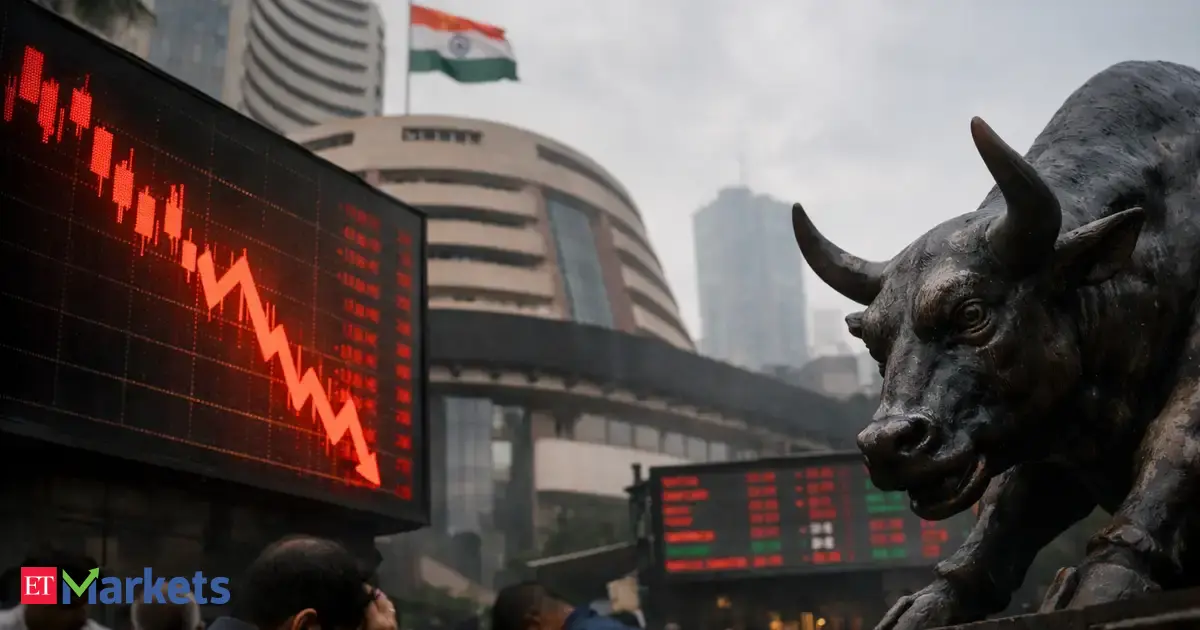
On Friday, the U.S. Supreme Court delivered a significant blow to former President Donald Trump's trade policies by striking down key elements of his "reciprocal" tariffs. These tariffs were originally enacted under the International Emergency Economic Powers Act, a move intended to protect American industries from foreign competition. However, the court's ruling has sent ripples through the financial markets, leading to increased uncertainty regarding future trade relations and economic strategies.
Market Reactions and Economic Implications
Following the Supreme Court's decision, market analysts reported a wave of volatility across various sectors, particularly those heavily reliant on exports and imports. The immediate aftermath saw a decline in stock prices for companies that would have benefited from the protective tariffs, while industries that relied on cheaper imports began to rally.
For instance, shares in major manufacturing firms experienced a downturn as investors recalibrated their expectations for profit margins that might have been bolstered by tariff protections. Conversely, retail and technology stocks saw a surge, as reduced import costs could improve their bottom lines.
According to recent data from market analysts, the S&P 500 Index exhibited a drop of approximately 1.5% in the hours following the ruling, while sectors such as consumer discretionary and technology showed resilience, gaining around 0.8% and 0.6% respectively. This divergence highlights the complexities investors face as they navigate an evolving economic landscape.
Trump's Response and Ongoing Uncertainty
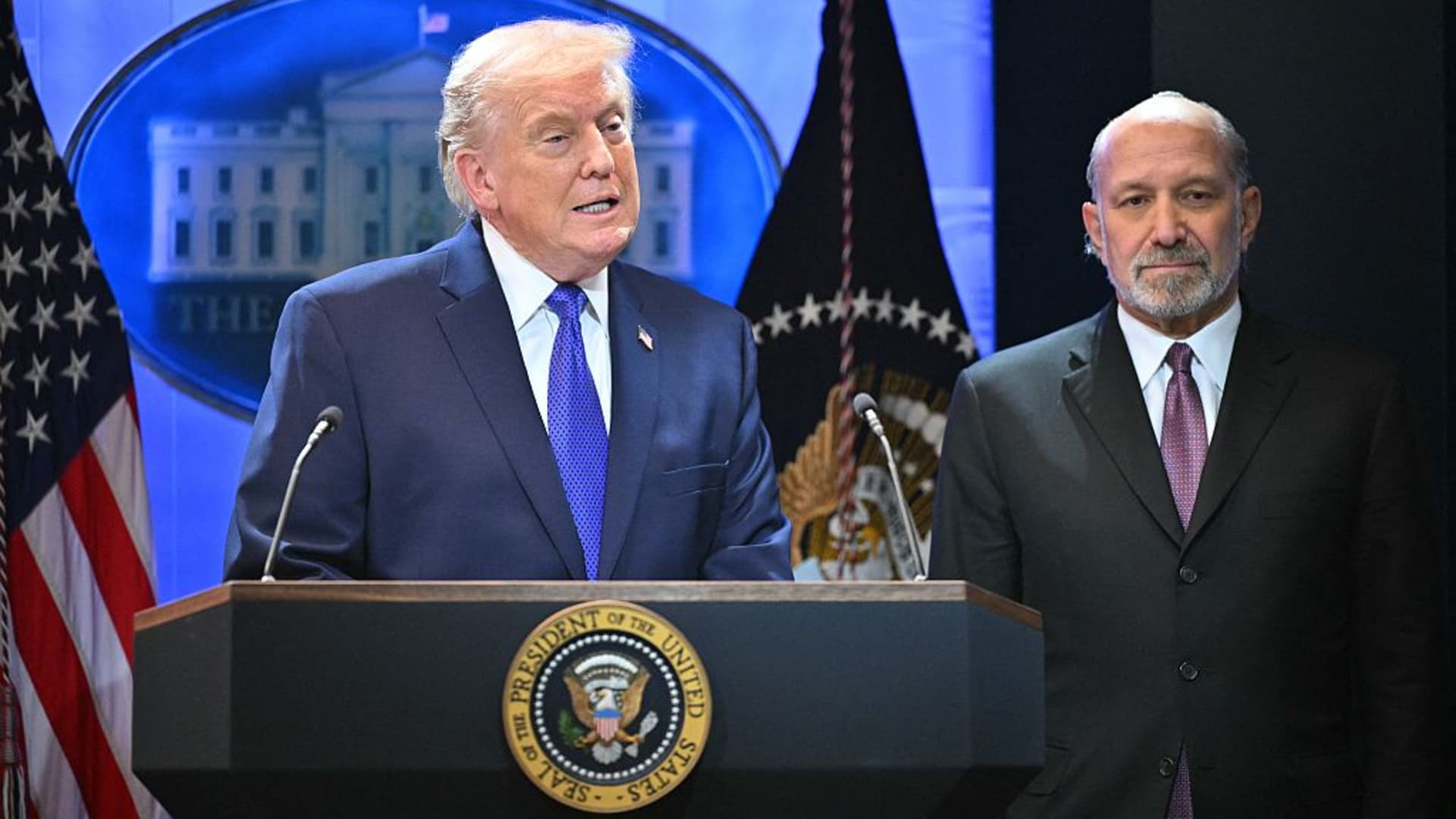
In response to the Supreme Court's ruling, Trump expressed his dissatisfaction, claiming that the decision undermines national interests and emboldens foreign competitors. He suggested that the tariffs were essential for maintaining a favorable balance of trade and protecting American jobs. Trump's comments have led to further uncertainty, as investors speculate on potential future actions he may advocate to counteract the ruling.
Political analysts note that Trump's reaction could signal a resurgence of protectionist policies, potentially stirring further debates within Congress about trade legislation. This ongoing conflict could lead to more instability in financial markets, especially if new tariffs are proposed or existing trade agreements are renegotiated.
What This Means for Investors
The Supreme Court's ruling and Trump's reaction have significant implications for investors. As the markets adjust to this new reality, it is crucial for investors to remain vigilant and adaptable. Here are some practical takeaways:
- Monitor Sector Performance: Pay close attention to sectors that may be affected by changes in tariff policies. Industries reliant on imports may benefit from decreased costs, while exporters might face challenges.
- Diversify Portfolios: Given the potential for ongoing volatility, consider diversifying investments to mitigate risks associated with specific sectors influenced by tariff changes.
- Stay Informed: Keep abreast of political developments and economic indicators that could affect trade policies. Understanding the broader economic environment will be key to making informed investment decisions.
The Supreme Court's ruling represents a pivotal moment in U.S. trade policy, and its repercussions will likely resonate throughout the financial markets. As uncertainty looms, investors must navigate this evolving landscape with caution and strategic foresight.