Rediscovering the Charm of Traditional Timepieces
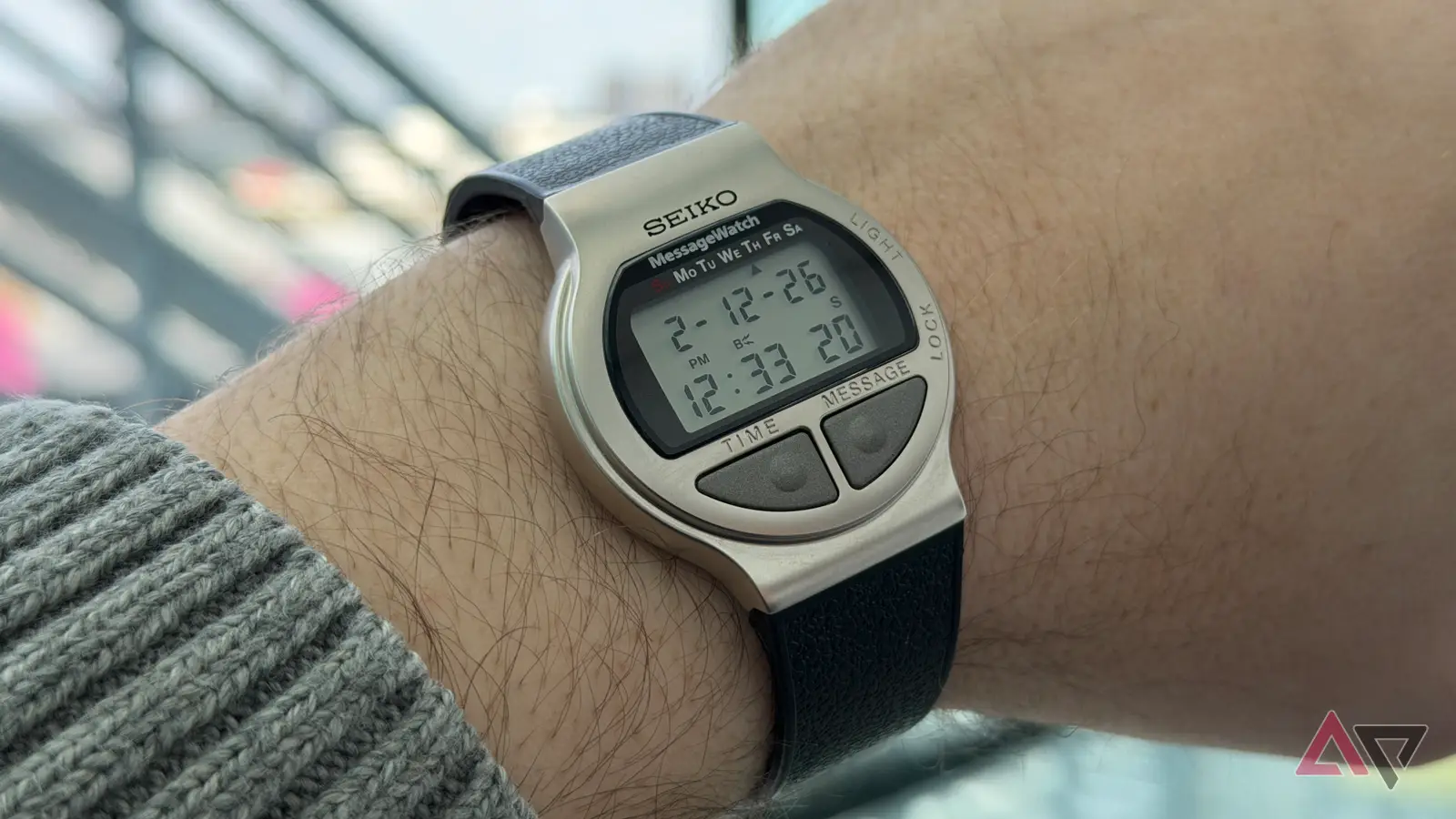
For many tech enthusiasts, the allure of modern smartwatches once seemed irresistible. These devices promised unparalleled connectivity, fitness tracking, and myriad apps, all conveniently worn on the wrist. However, as the years have progressed, a growing sentiment suggests that these multifunctional gadgets may have strayed too far from what makes a watch truly special. Enter the classic Seiko from 1994—a reminder of the aesthetic and mechanical beauty that simple timepieces can offer.
The Shift in Consumer Sentiment
As someone who grew up in an era enamored with the concept of a 'computer on the wrist,' the modern smartwatch was initially a dream come true. Yet, recent trends indicate a shift in consumer preferences. According to a 2023 survey by the Consumer Technology Association, interest in traditional watches has surged, with 47% of respondents expressing a desire for more mechanical options over their digital counterparts.
This shift can be attributed to several factors. Increasingly, consumers are seeking authenticity and craftsmanship—qualities often overshadowed by the flashy capabilities of smartwatches. The resurgence of interest in vintage and classic watches highlights a collective yearning for simplicity, reliability, and design integrity.
The Financial Implications of Market Trends
From an investment perspective, the resurgence of interest in traditional watches presents unique opportunities. The luxury watch market has shown resilience even amid economic fluctuations. According to the Hodinkee 2023 Report, the market for pre-owned luxury watches grew by 15% year-over-year, indicating a robust demand for pieces that combine nostalgia with craftsmanship.
This trend is not merely anecdotal; it reflects a broader market shift. As younger generations become more interested in heritage brands and artisanal products, companies that specialize in classic timepieces may see significant growth. Additionally, brands that focus on sustainability and ethical sourcing are likely to attract this new wave of conscientious consumers.
Investors should consider monitoring companies with a strong heritage in watchmaking, such as Seiko, Rolex, and Omega, as they often hold their value well and can be a hedge against inflation. Furthermore, as smartwatches become ubiquitous, the contrast with classic designs could further drive up interest and prices in the traditional market.
What This Means for Investors
The evolving landscape of the watch industry illustrates a critical opportunity for investors. Here are some practical takeaways:
- Diversification: Consider diversifying investment portfolios to include shares in both tech and traditional watch companies.
- Heritage Brands: Keep an eye on brands with a rich history, as these are likely to retain consumer interest and value over time.
- Market Research: Regularly assess market trends and consumer preferences to identify emerging opportunities in both sectors.
In conclusion, while modern smartwatches have redefined the way we perceive wristworn technology, the enduring charm of classic timepieces serves as a reminder of the beauty found in simplicity. As consumer preferences shift, investors are advised to remain vigilant about the changing tides in the watch market. The appeal of a classic Seiko watch from 1994 illustrates that sometimes, less truly is more.