Introduction
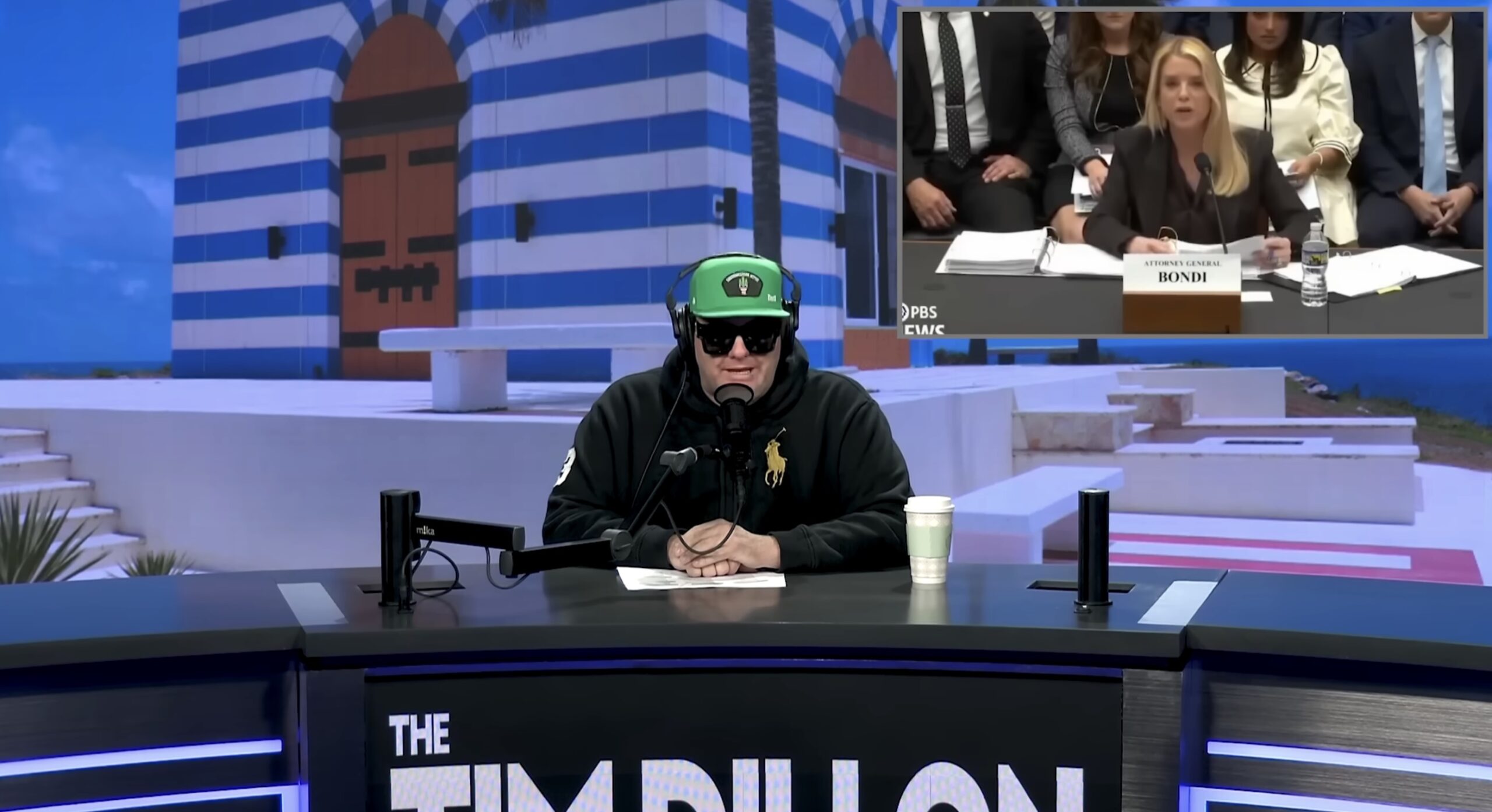
In a recent congressional hearing, comedian and podcaster Tim Dillon took aim at Attorney General Pam Bondi for her handling of questions regarding the Jeffrey Epstein case. His sharp commentary not only called into question her credibility but also highlighted a fascinating disconnect between political accountability and the prevailing optimism in the financial markets.
The Context of the Testimony
During her testimony before the House Judiciary Committee, Bondi attempted to navigate complex inquiries related to the Epstein files. Instead of addressing the core issues, she deflected attention towards the current performance of the stock market, suggesting that the rising figures in indices such as the Dow Jones Industrial Average are more pressing than the implications of Epstein's actions. Dillon seized this moment to critique Bondi, humorously stating, "The Dow Is Up! Who Cares If We Snatch Your Kids?" This statement resonates with the public's increasing frustration over political leaders who prioritize market metrics over serious ethical discussions.
Market Performance and Public Sentiment
The U.S. stock market has shown robust performance in recent months, with the Dow and S&P 500 reaching record highs. The rise in stock prices has been attributed to a combination of factors, including strong corporate earnings, a resilient economy, and monetary policy from the Federal Reserve aimed at stimulating growth. However, this optimism in the markets contrasts sharply with the concerns over accountability and social issues, such as those raised by the Epstein case.
As of the latest reports, the Dow Jones has seen an increase of approximately 10% year-to-date, reflecting investor confidence. Yet, the juxtaposition of market successes against serious societal issues invites scrutiny. Investors must consider how political narratives, such as those presented by Bondi, can affect market sentiment and public trust.
Expert Analysis and Insights
The intersection of politics and financial markets remains a critical area for investors to monitor. Tim Dillon's remarks reflect a growing sentiment among citizens that financial prosperity should not overshadow ethical governance. Investors should be aware of how political discourse and actions can sway market conditions, especially during election cycles when accountability becomes a focal point.
- Political Accountability: Investors should remain vigilant about political developments that could influence market stability.
- Market Sentiment: Public perception of government officials can impact consumer confidence and, consequently, market performance.
- Ethical Considerations: Companies are increasingly scrutinized for their social responsibility, which can affect their stock performance.
Key Takeaways
As the Dow continues to rise, the contrast between financial success and ethical governance may create volatility in public sentiment towards the markets. Investors should consider the following:
- Be aware of how political narratives can impact market dynamics.
- Monitor social issues and governance related to companies you're invested in.
- Understand that market highs do not eliminate the need for accountability in leadership.
In conclusion, Tim Dillon's critique of Pam Bondi serves as a reminder that the health of the financial markets cannot fully mask the need for ethical and responsible governance. As investors navigate these waters, they must balance their financial aspirations with a keen awareness of the broader social context.