Trump's Tariff Increase: A Response to Supreme Court Ruling
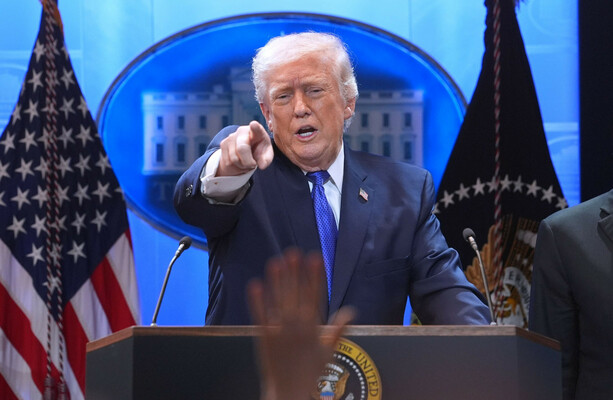
In a surprising move that has sent ripples through the financial markets, U.S. President Donald Trump announced an increase in global tariffs from 10% to 15%, effective immediately. This decision comes just a day after the U.S. Supreme Court overturned his previous ‘reciprocal tariffs’ imposed under an emergency powers law. The ruling not only challenges Trump’s authority but also raises questions about the future of U.S. trade policy.
The Market Reaction and Economic Implications
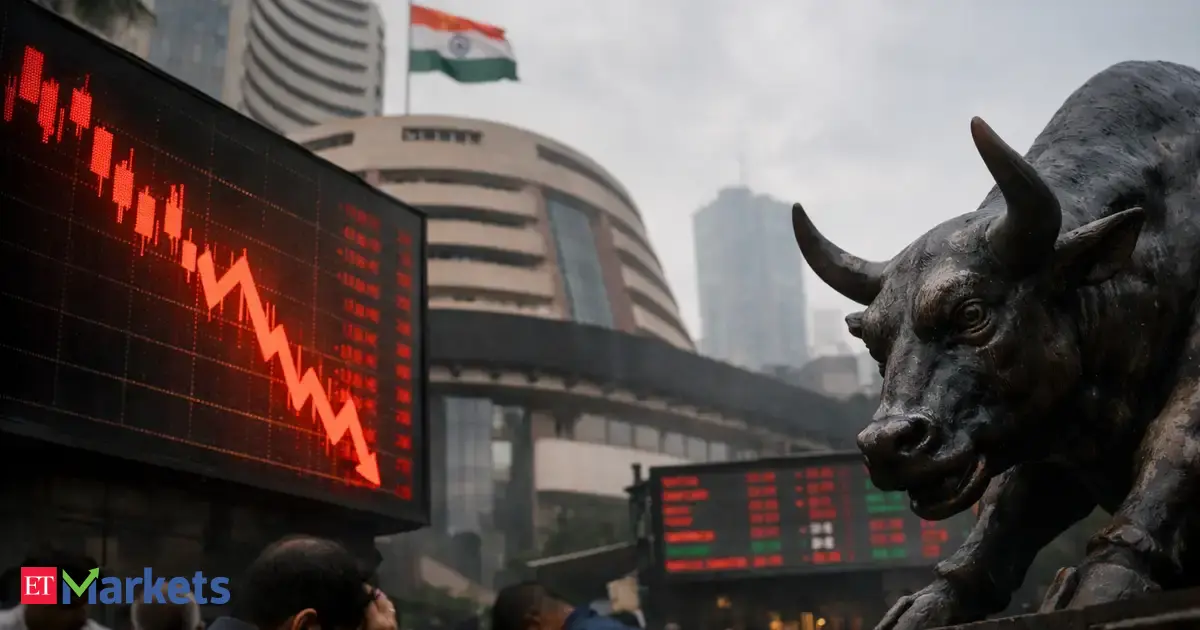
The immediate market reaction to Trump's tariff announcement has been one of uncertainty. Investors are wary as tariffs can lead to increased costs for consumers and businesses alike. Analysts point out that while such tariffs are designed to protect U.S. industries, they can also provoke retaliatory measures from trading partners.
For example, last year’s tariff hikes led to tit-for-tat responses from countries such as China and the European Union, which could have similar repercussions this time around. The S&P 500 index, which often reacts sensitively to trade news, saw a slight decline following the announcement, reflecting investor anxiety.
Expert Insights: What This Means for Investors
Experts suggest that investors should brace themselves for potential volatility in the markets as industries adjust to the new tariff regime. Sectors that are heavily reliant on imports, such as consumer goods and technology, may face increased production costs, which could squeeze profit margins.
Moreover, companies in the agricultural sector may find themselves in a precarious position if retaliatory tariffs are enacted by foreign governments. Historically, agricultural exports have faced significant barriers during trade disputes, affecting farmers and agribusinesses across the nation.
On the other hand, domestic manufacturers may benefit from reduced competition, potentially boosting their market share. However, this could come at the expense of consumers who will likely face higher prices.
- Key Takeaways:
- The tariff increase is effective immediately, impacting global trade dynamics.
- Investors should monitor sectors that could be adversely affected by heightened tariffs.
- The potential for retaliatory tariffs may lead to increased market volatility.
- Domestic industries may see short-term benefits, but consumer costs could rise.
As always, investors are encouraged to stay informed and consider diversifying their portfolios to mitigate risk in this uncertain environment. The evolving trade landscape requires a keen eye on both domestic and international developments as they unfold.