Introduction: A Day of Economic Discontent
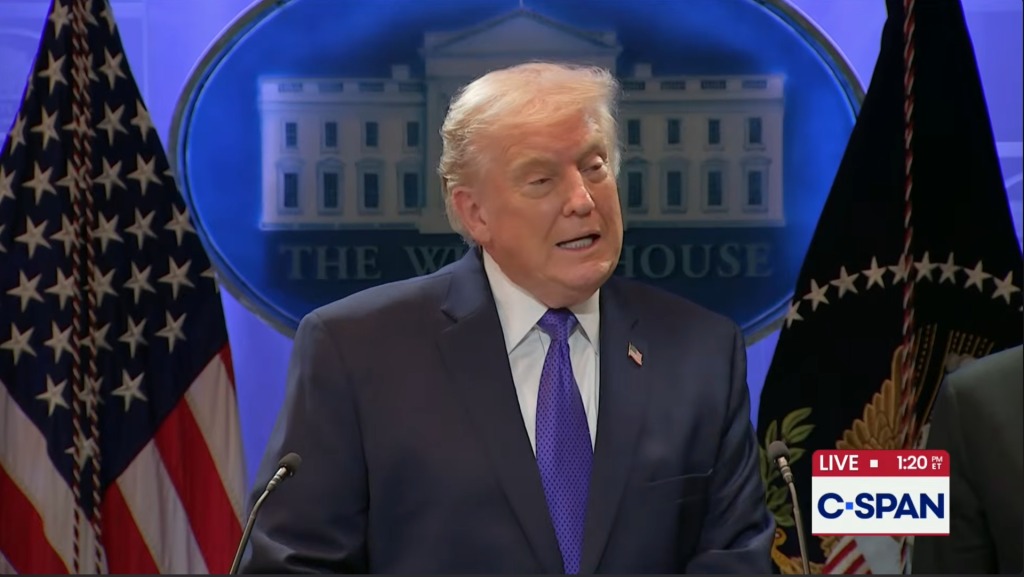
On a day marked by unsettling economic reports, former President Donald Trump faced backlash following the Supreme Court's decision to strike down his tariffs. His comments during a press conference, where he described his desire to be a 'good boy', raised eyebrows and led to speculation about the implications for the U.S. economy and markets.
The Economic Landscape
Recent economic indicators have painted a concerning picture for the U.S. economy. Reports released earlier in the day revealed weaker-than-expected job growth and disappointing retail sales figures. This data prompted fears of a slowdown, casting a shadow over the economic recovery.
In the context of these reports, Trump's public outcry about the Supreme Court's ruling—removing his tariffs—seemed to reflect his frustration with the economic landscape he once championed. The tariffs were initially implemented as a strategy to protect American industries and jobs, a cornerstone of Trump's economic policy.
Market Reactions and Analysis
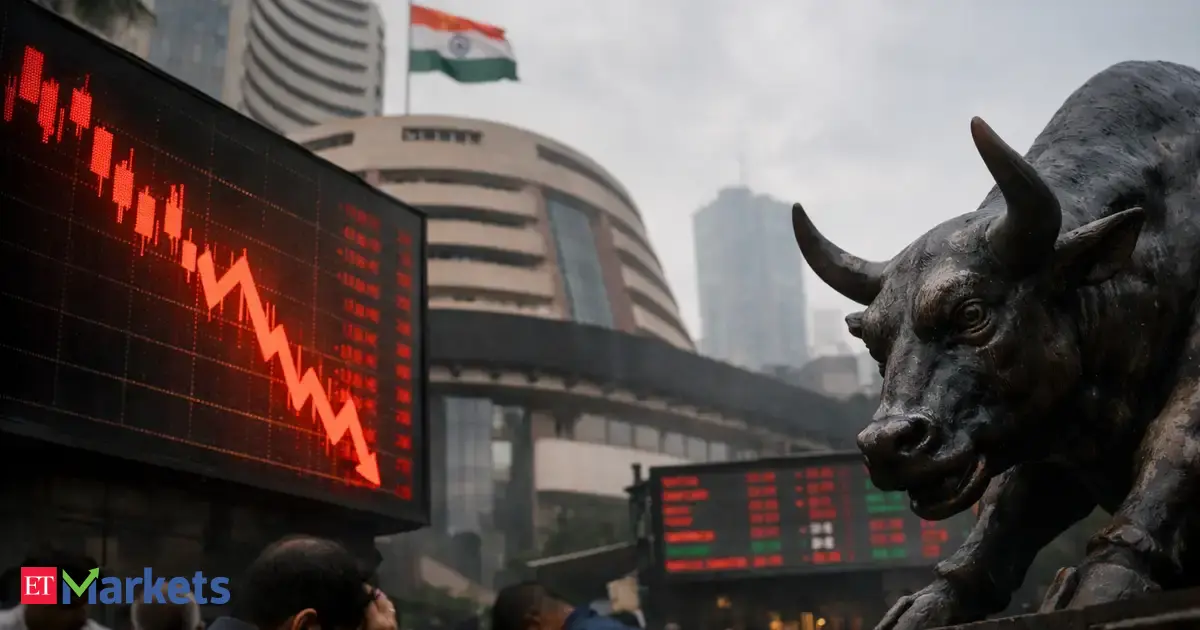
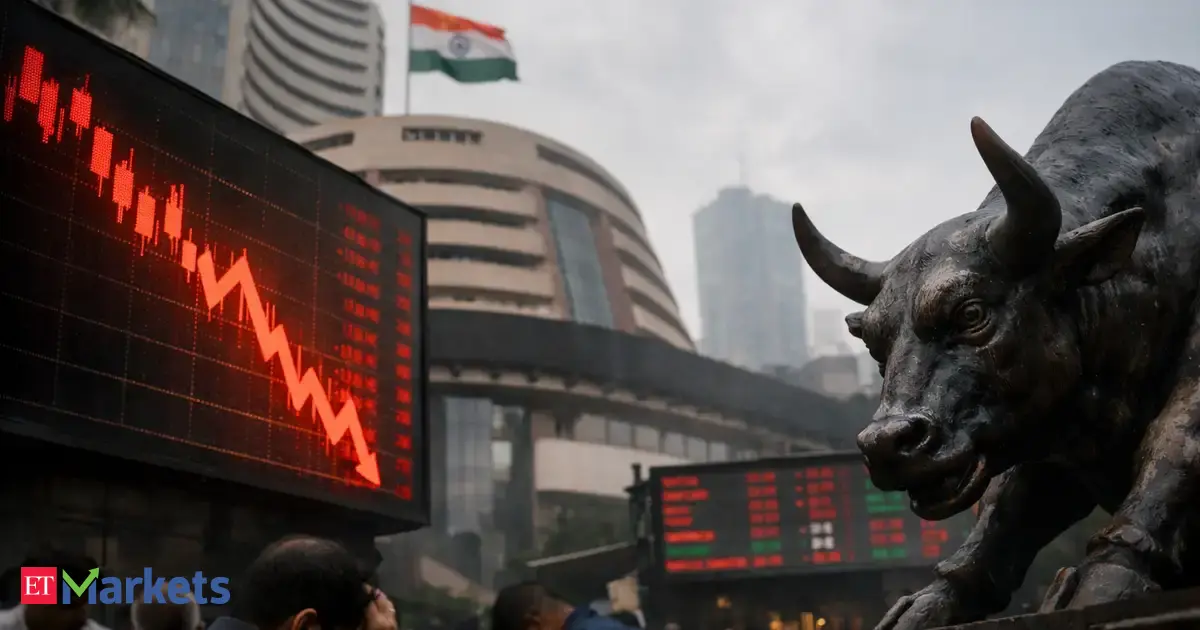
The market's response to the Supreme Court's decision was immediate. Major indices experienced volatility, with the Dow Jones Industrial Average and S&P 500 reflecting investor uncertainty. Analysts noted that the tariffs had been a double-edged sword, inflating costs for consumers while attempting to shield domestic producers.
- Inflationary Pressures: The removal of tariffs may ease some inflationary pressures, potentially benefiting consumers in the short term.
- Impact on Industries: Sectors like steel, aluminum, and agriculture could face challenges without tariff protections, affecting stock prices and investor sentiment.
- Long-Term Outlook: The uncertainty surrounding trade policies continues to create a complex environment for investors, making it crucial to stay informed.
Experts suggest that investors should brace for continued market fluctuations as the effects of this ruling unfold. While some may view the removal of tariffs as a positive step toward free trade, others warn of the potential repercussions for domestic industries that have relied on tariff protections.
What This Means for Investors
As the economic situation evolves, investors should keep a close watch on several factors:
- Monitor Economic Indicators: Pay attention to upcoming economic reports, including employment figures and consumer spending data, to gauge the health of the economy.
- Sector-Specific Strategies: Consider diversifying investments across sectors that may benefit from reduced tariffs, while being cautious of those that could suffer.
- Stay Informed on Policy Changes: Keep abreast of any further legal or legislative developments regarding trade policies, as these could impact market dynamics significantly.
In conclusion, the recent tariff developments and their implications highlight the delicate balance of U.S. economic policy. With ongoing uncertainties, investors must remain vigilant and adaptable in their strategies to navigate the markets successfully.