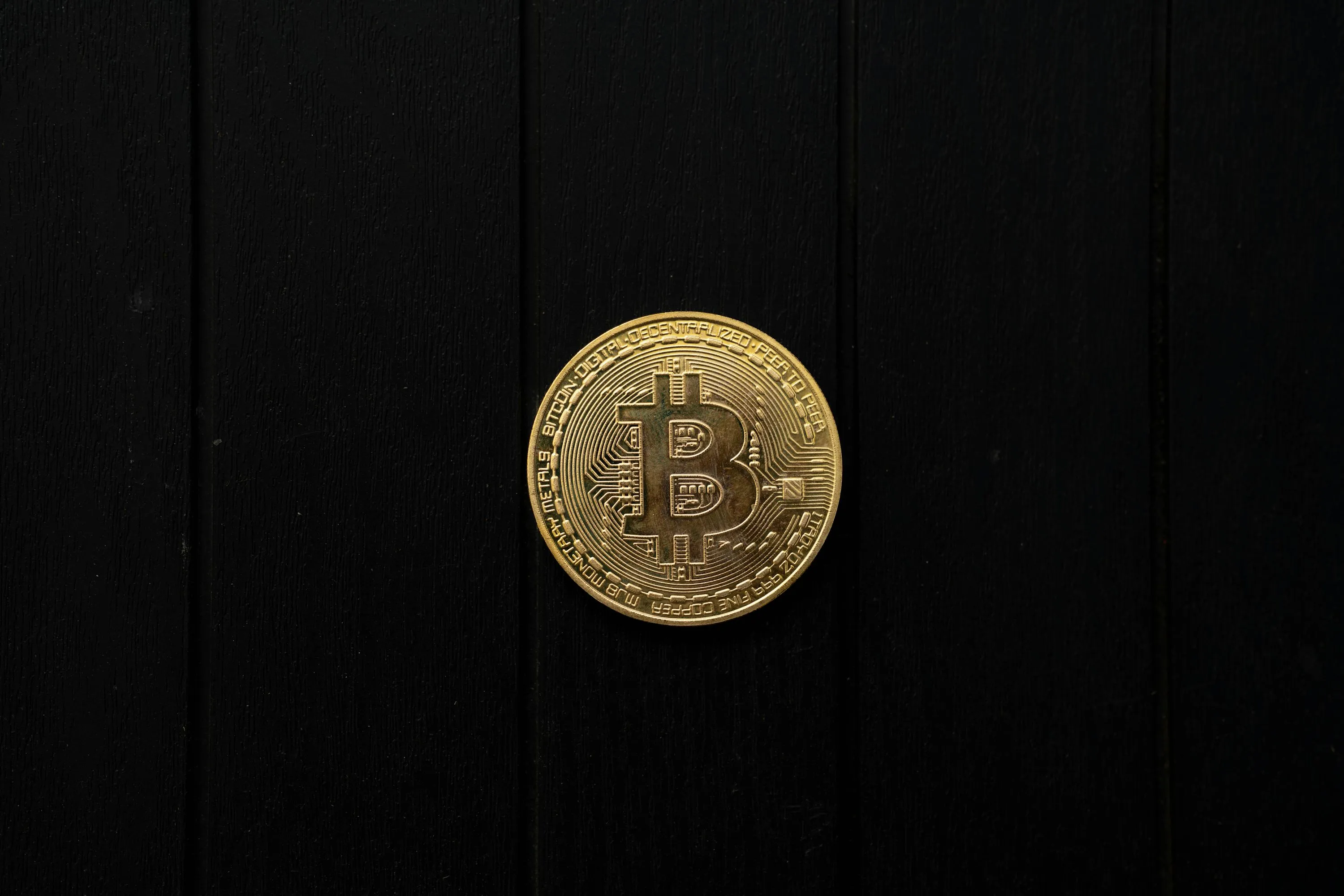
The Complexity Behind Bitcoin's Price Movements
Bitcoin, the leading cryptocurrency, has become a focal point in financial discussions, often analyzed through the lens of singular economic cycles. However, this perspective oversimplifies the intricate reality of how Bitcoin trades in today's market. Factors such as halving cycles, macroeconomic liquidity, and speculative demand all play significant roles, yet they do not capture the complete picture of Bitcoin's valuation.
Multiple Factors Influencing Bitcoin
To understand Bitcoin's pricing mechanisms, it is essential to acknowledge the multitude of variables at play:
- Halving Cycles: Bitcoin undergoes a halving event approximately every four years, reducing the reward for mining new blocks by half. This event has historically been associated with price increases due to decreased supply.
- Macroeconomic Liquidity: Global liquidity conditions significantly impact Bitcoin's price. In an environment of abundant liquidity, investors are more likely to allocate funds into risk assets, including cryptocurrencies.
- Speculative Demand: The speculative nature of cryptocurrency markets can lead to price volatility. Many investors enter the market driven by the potential for high returns, which can create sharp price movements.
While these factors are critical, they do not operate in isolation. The interplay between them creates a complex trading environment that requires a more nuanced analysis.
Market Context and Expert Insights
As of late 2023, Bitcoin's price has shown resilience amidst regulatory scrutiny and macroeconomic challenges. The recent fluctuations in traditional markets, coupled with rising inflation rates, have led some investors to view Bitcoin as a hedge against economic instability. This perspective adds another layer of complexity to Bitcoin's pricing structure.
Moreover, institutional interest in Bitcoin continues to grow, with firms increasingly adopting cryptocurrencies as part of their portfolios. This trend reflects a shift towards recognizing Bitcoin not merely as a speculative asset but as a legitimate component of diversified investment strategies.
Expert analysts suggest that the convergence of these factors could lead to increased adoption and stabilization in Bitcoin's price over time. However, they caution that investors should remain vigilant, as the cryptocurrency market is still prone to rapid changes influenced by sentiment and regulatory developments.
Key Takeaways
- Bitcoin's price cannot be attributed to a single economic cycle; it is influenced by multiple overlapping factors.
- Understanding the interplay between halving cycles, macro liquidity, and speculative demand is crucial for investors.
- Investors should consider institutional adoption and macroeconomic trends when evaluating Bitcoin's potential.
In conclusion, while Bitcoin may exhibit patterns that align with certain economic cycles, it is vital for investors to adopt a holistic approach. By acknowledging the multifaceted nature of Bitcoin's pricing dynamics, investors can make more informed decisions in this ever-evolving market.