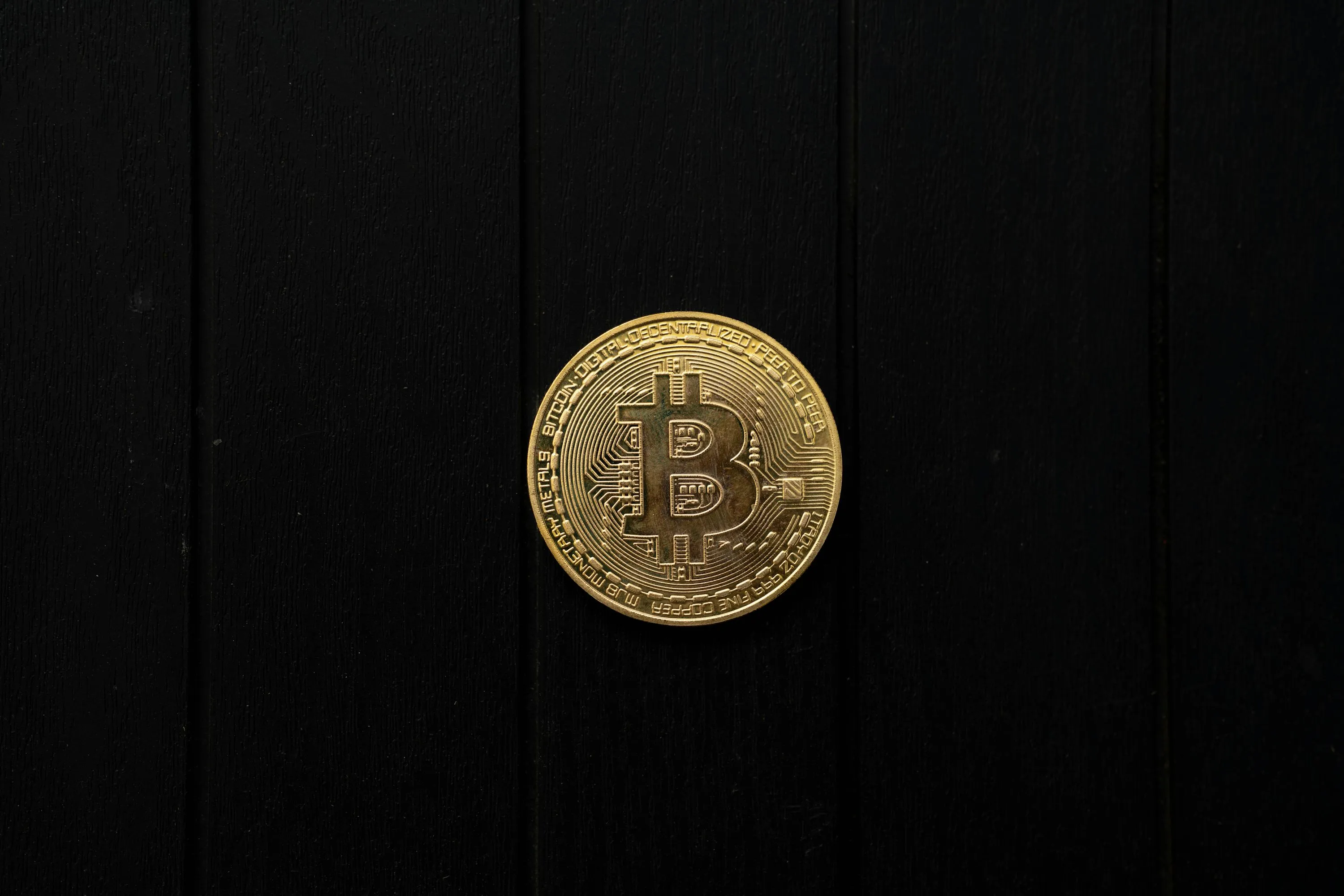
The Multifaceted Nature of Bitcoin's Pricing
Bitcoin (BTC) has become a significant player in the global financial landscape, yet its price movements are often attributed to simplistic narratives. Investors frequently hear that Bitcoin's price is driven by the halving cycle, macroeconomic liquidity, or speculative demand. However, these interpretations overlook a more intricate reality that governs the cryptocurrency's trading behavior.
Decoding the Economic Influences on Bitcoin
In reality, Bitcoin exists within a complex economic environment influenced by a multitude of factors. This complexity can be broken down into several key elements:
- Supply and Demand Dynamics: At its core, Bitcoin's value is dictated by the principles of supply and demand. The limited supply, capped at 21 million coins, creates intrinsic scarcity, which can lead to price surges when demand increases.
- Market Sentiment: Investor sentiment plays a critical role in Bitcoin's price. Events such as regulatory news, technological advancements, or macroeconomic trends can shift market perceptions rapidly, leading to volatility.
- Liquidity Conditions: The liquidity of financial markets, whether in traditional assets or cryptocurrencies, heavily influences Bitcoin's trading patterns. Increased liquidity usually correlates with lower volatility, while tightening liquidity can lead to sharp price movements.
- Global Economic Indicators: Bitcoin does not operate in a vacuum. Economic indicators such as inflation rates, interest rates, and geopolitical tensions can significantly impact investor behavior and, consequently, Bitcoin prices.
The Limitations of a Single-Cycle Approach
Relying solely on a single economic cycle to explain Bitcoin's price is not only reductive but also misleading. For instance, the halving events, which occur approximately every four years and reduce the rewards for mining new blocks, are often credited with price increases. While historical data shows a correlation between halving and subsequent price surges, attributing price movements exclusively to this cycle ignores the broader economic context.
Furthermore, during periods of macroeconomic instability, such as the COVID-19 pandemic, Bitcoin was often viewed as a hedge against inflation. This perception has shifted over time, influenced by changing economic conditions and investor sentiment. As such, Bitcoin's price trajectory is shaped by a confluence of factors rather than a singular narrative.
What This Means for Investors
For investors looking to navigate the cryptocurrency markets, understanding the multifaceted nature of Bitcoin is crucial. Here are some practical takeaways:
- Investors should consider a range of economic indicators rather than focusing solely on Bitcoin's halving cycle or liquidity trends.
- Staying informed about global economic conditions and market sentiment can provide insights into potential price movements.
- Recognizing the impact of supply and demand dynamics will help investors better understand Bitcoin's long-term value proposition.
In conclusion, Bitcoin's price does not conform to a simple economic cycle. Its value is shaped by a complex interplay of various factors, necessitating a more nuanced understanding for investors. By broadening their perspective, investors can better position themselves to capitalize on the opportunities presented by this dynamic asset class.