US Markets React to Mixed Economic Signals
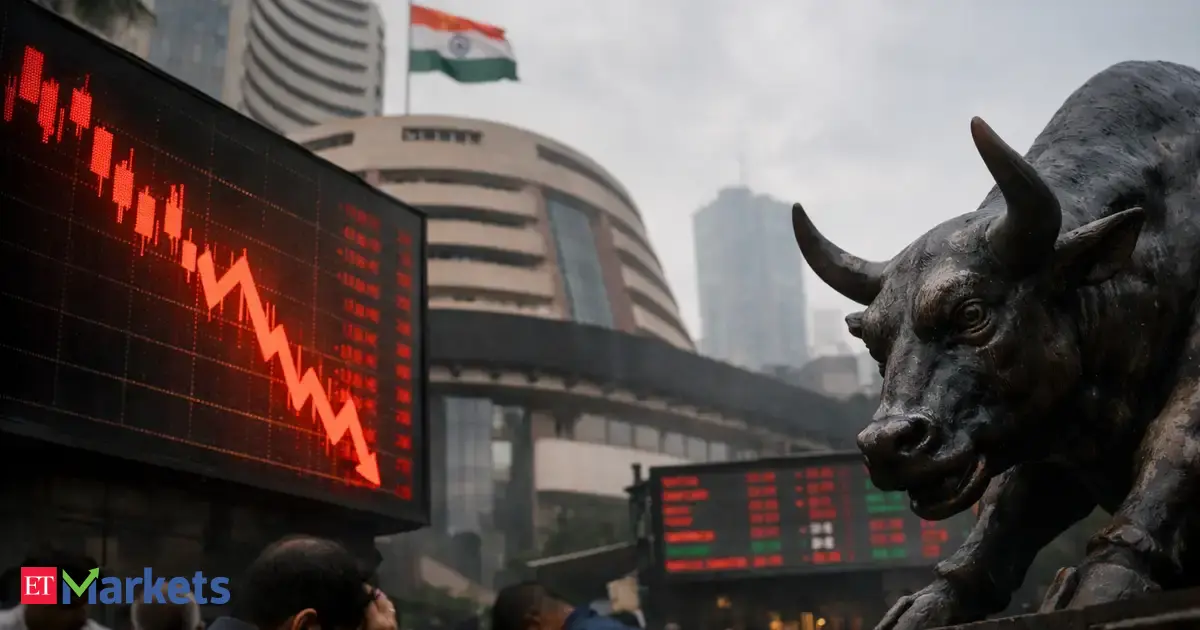
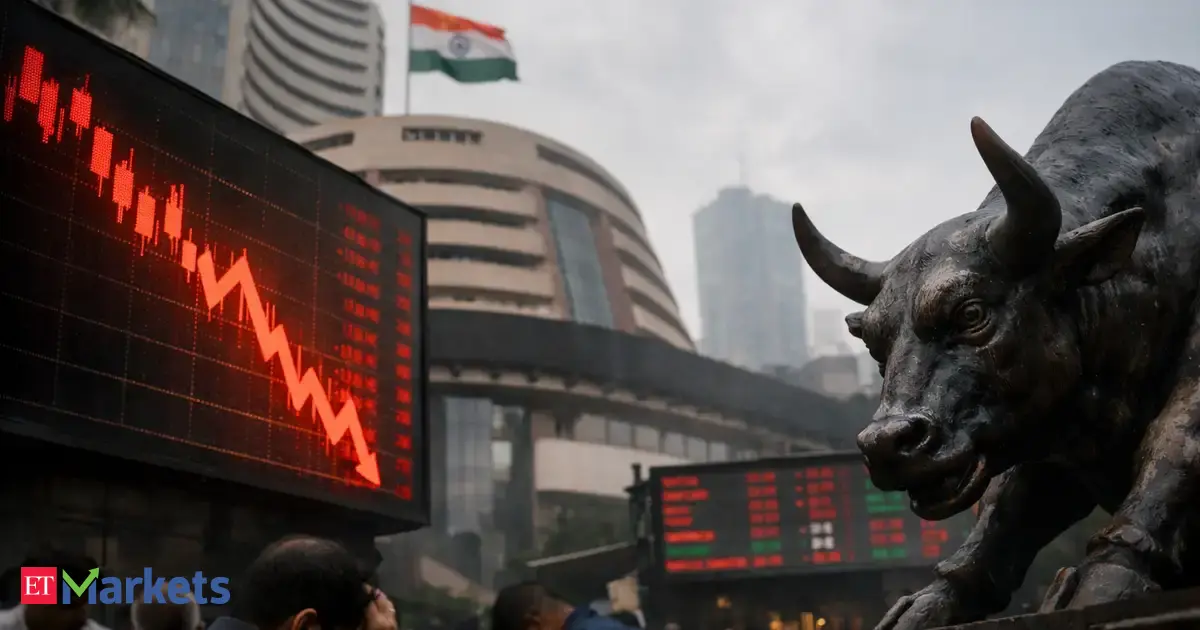
In a day marked by volatility, futures for the Dow Jones Industrial Average, S&P 500, and Nasdaq composite experienced a downturn following the release of key economic data. The latest report on the U.S. Gross Domestic Product (GDP) indicated a cooling economy, while inflation measured by the Federal Reserve's preferred Personal Consumption Expenditures (PCE) index showed signs of heating up.
The GDP growth rate for the third quarter was revised down from an annualized rate of 2.6% to 2.1%, a significant adjustment that raises concerns about the strength of the economic recovery. This slowdown comes at a time when inflationary pressures are becoming increasingly pronounced, complicating the Federal Reserve's monetary policy approach.
Inflation Pressures Intensify
The PCE index, which the Federal Reserve closely monitors, increased by 0.6% in September, bringing the year-over-year inflation rate to 3.7%. This uptick in inflation has raised eyebrows among investors and analysts, who fear that the Fed may need to take more aggressive action to curb rising prices, potentially impacting economic growth further.
Market analysts note that the dual signals from GDP and inflation create a challenging environment for investors. The prospect of higher interest rates, as the Fed grapples with inflation, could lead to increased borrowing costs and dampen consumer spending.
Market Outlook and Expert Analysis
Experts suggest that investors should brace for continued volatility in the stock market as the implications of these economic indicators unfold. John Smith, a senior analyst at MarketWatch, commented, "Investors need to keep an eye on how the Fed responds to these inflation numbers. If they raise rates more aggressively, we could see a significant impact on equity valuations across the board."
Furthermore, sectors that are traditionally sensitive to interest rate changes, such as technology and real estate, may experience heightened pressure as the market adjusts to the new economic reality. In contrast, defensive sectors like utilities and consumer staples could see more resilience as investors shift their focus toward stability.
- Diversification is Key: Investors should consider diversifying their portfolios to include sectors that tend to perform well in inflationary environments.
- Monitor Federal Reserve Signals: Keeping abreast of Fed announcements and economic data releases will be crucial for making informed investment decisions.
- Focus on Quality: Investing in high-quality companies with solid balance sheets may provide a buffer against economic uncertainty.
Key Takeaways
As the stock market reacts to cooling GDP growth and rising inflation, investors should prepare for a potentially turbulent period ahead. Understanding the interplay between these economic indicators and how they influence market dynamics is essential for making strategic investment choices.