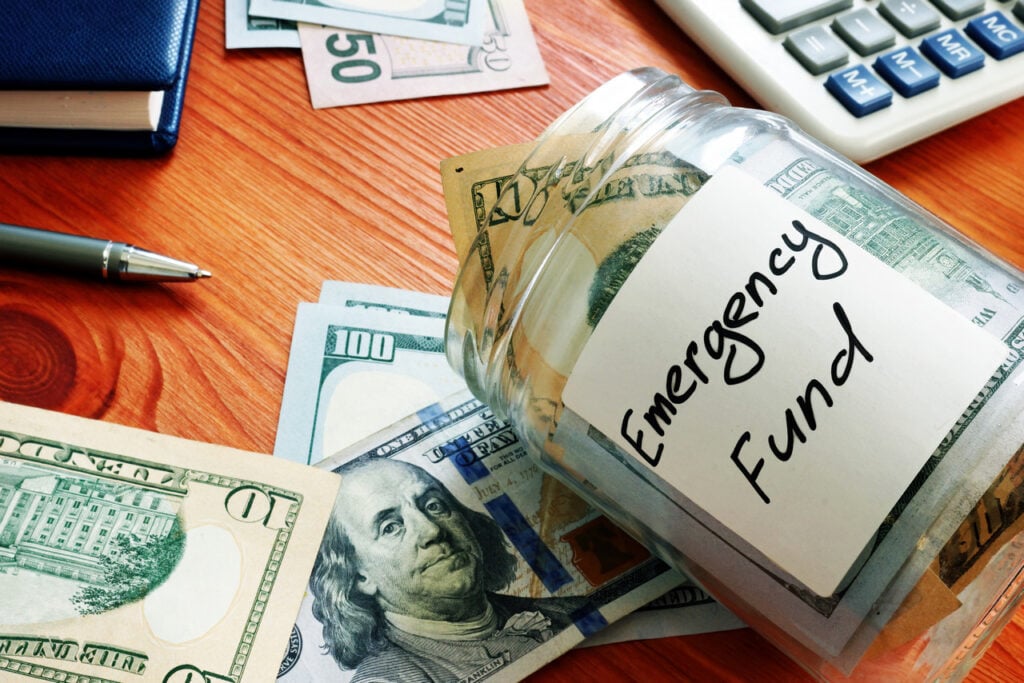
The Importance of an Emergency Fund
Financial advisors have long emphasized the necessity of maintaining an emergency fund. This typically entails saving three to six months' worth of living expenses to prepare for unforeseen circumstances such as job loss, medical emergencies, or urgent home repairs. However, a recent perspective from a homeowner suggests a critical re-evaluation of how we categorize these funds.
Understanding the Risks of Designation
Many homeowners often label their emergency savings as a "House Emergency Fund," specifically earmarking it for home-related expenses. While this may seem prudent at first glance, it can inadvertently lead to financial mismanagement. The homeowner argues that by distinguishing this fund solely for house-related emergencies, individuals may neglect broader financial responsibilities or unexpected events that don't fall under this category.
For instance, a sudden illness or unexpected job loss can arise without warning, and relying on a fund solely restricted to home repairs may leave one financially vulnerable. This perspective aligns with the broader financial advisory community, which advocates for a more holistic view of emergency savings.
Broader Financial Strategy and Market Context
In today's economic climate, where inflation remains elevated and interest rates are fluctuating, the importance of a well-rounded financial strategy cannot be overstated. According to recent data from the Bureau of Economic Analysis, the personal savings rate in the United States has seen a decline, indicating that many households are not adequately prepared for financial shocks.
Experts suggest that rather than creating a specialized fund for home emergencies, individuals should maintain a more generalized emergency fund that can cover various unforeseen events. This approach not only enhances financial flexibility but also ensures that individuals are prepared for a wider array of potential challenges.
Moreover, with rising living costs and economic uncertainty, the risk of underestimating expenses can lead to significant financial strain. Maintaining a broader emergency fund allows homeowners to address immediate needs while simultaneously preparing for long-term financial health.
Key Takeaways for Investors and Homeowners
- Maintain a Generalized Emergency Fund: Instead of labeling savings for specific circumstances, keep a general fund that can address various emergencies.
- Assess Your Financial Health Regularly: Regularly review your expenses and savings to ensure they align with your current financial situation.
- Stay Informed on Economic Trends: Understanding the broader economic context can help inform your financial strategies and preparedness.
In conclusion, while the traditional advice to create an emergency fund is sound, homeowners should reconsider the naming and structure of these savings. By avoiding the restriction of funds to specific categories, individuals can better safeguard their financial future against a wide array of potential challenges.